


Smile, they say, and the world smiles with you. Unless you’re wearing a mask. Then the world can’t see your smile, much less smile back.
The rise of the protective face mask — first in China (where smog and SARS gave rise to its use years ago), then elsewhere in Asia, into Europe and now marching across North America — has abruptly excised half of the face from our moment-to-moment human interactions.
With it has come a removal of crucial visual cues that people have used for millennia to communicate, understand each other and negotiate space in the public arena — to find common ground.
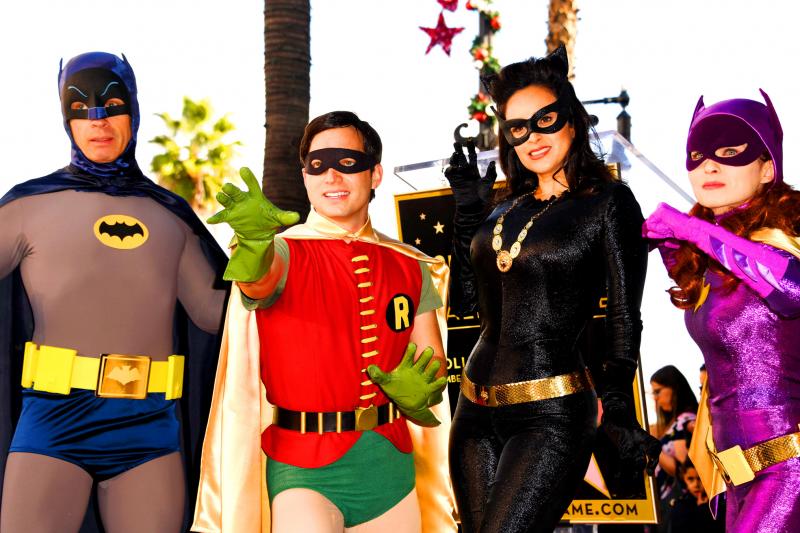
Photo: EPA-EFE 照片:歐新社
“Our minds light on the face like butterflies on a flower, for it gives us a priceless flow of information,” Daniel McNeill wrote in “The Face,” his 1998 book on its significance throughout human history.
A partial inventory of the information that’s lost when the mask goes up: Smiles. Frowns. Lip movements. Crinkle lines at the mouth’s edge. Cheek twitches that indicate approval or disapproval. Reflexive gestures that collaborate with the eyes to say: Hey, I mean no harm. Or: Hey — back off.
New regulations have been imposed in many countries to bar people without a mask from entering some shops and offices, sitting atop people’s already palpable desire to shield their mouths and noses from taking in the insidious virus that causes COVID-19.
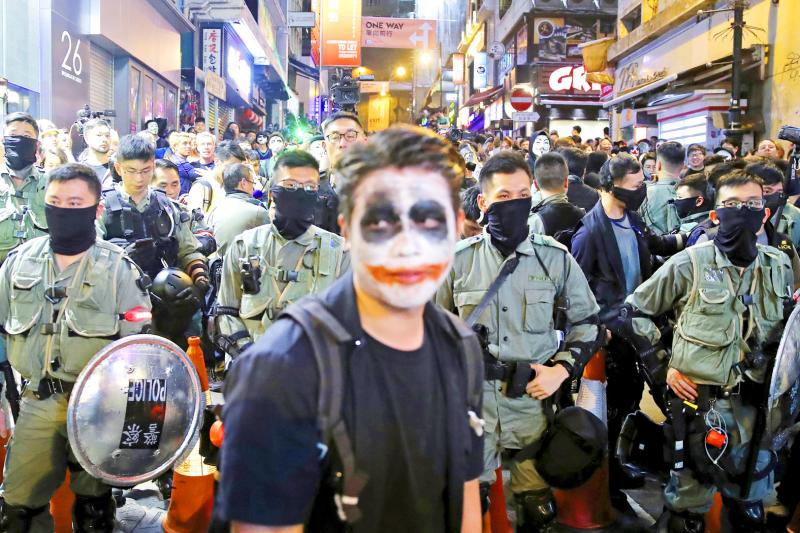
Photo: AP 照片:美聯社
However legitimate, that still creates a potentially disorienting situation: Instead of a fellow human coming openly toward you, we’re encountering each other with visual cues removed, like astronauts or deep-sea divers or hazmat-removal teams. “Different levels of smiles lead to perceptions of warmth, competence, trustworthiness, attractiveness, etc,” says Fan Liu, an assistant professor of decision sciences and marketing at Adelphi University whose research focuses on nonverbal communication. “These perceptions and characteristics significantly influence our daily social lives.” Nonverbal cues, she says, play a central role in communication that we don’t always realize. “When these cues are cut off, people are more likely to focus on outcome rather than process,” Liu says, and some nuances of human interaction may be lost.
No wonder. There’s a reason why history’s greatest artists didn’t make their names painting shins or elbows or thumbs.
There’s a reason, too, why masks suggest something surreptitious and nefarious. Covering pieces of the face is often presented as shorthand for mistrust or menace across modern culture, from historical literature (“The Man in the Iron Mask”) to comic books (“Batman”), from TV (“The Lone Ranger”) to movies (“The Mask”) to music (“The Stranger”).
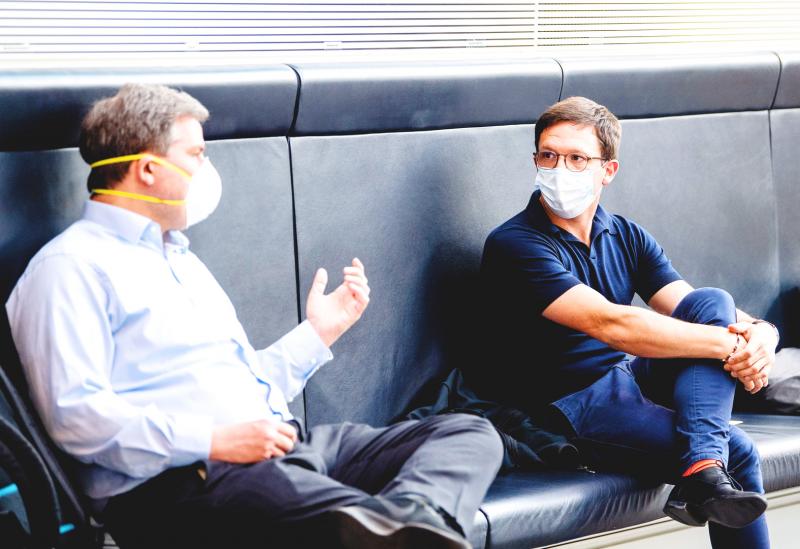
Photo: EPA-EFE 照片:歐新社
The face is the gateway to who we are, the front door to our humanity and individuality.
Such potent cultural cues can be activated, however subconsciously, when we cover our faces — even for the most legitimate (and protective) of reasons. A mask, in short, can be alienating no matter who is behind it — and particularly when there’s a power imbalance in the conversation.
“The important point is not to rely on any one visual cue. Furrowed eyebrows could mean that a person’s angry, someone’s confused, someone doesn’t have glasses on and they’re squinting,” says Mary Inman, a psychology professor at Hope College in Michigan, US.
“So we need to take time and ask people for clarification,” says Inman, who studies people’s perceptions of discrimination. “It’ll slow down communications a little bit, which could be a good thing.” For now, though, we still have the eyes. Have you heard? They’re windows to the soul. But, alas, only to a point.
“The face is the focal point. Now we’ve lost the focal point of that kind of communication. It is going to add a layer of distance between us,” says Dan Everett, a linguist and sociology professor at Bentley College in Massachusetts. “It’s sort of like we’re dogs without tails now.”
(AP)
常言道:「你微笑,世界便跟你一同微笑」──除非你是戴著口罩。於是,世界看不見你的微笑,更別說對你回報以微笑了。
防護用口罩首先在中國風行(因霧霾和SARS而在多年前開始廣泛使用),然後到亞洲其他地方、進入歐洲,現又遍及北美──在人與人的即時互動中陡然抽去我們大半張臉。
一些重要的視覺線索也隨之移去──數千年來人們憑藉這些視覺線索來溝通交流、相互理解,並協商公共場域之空間──以尋求共識。
「我們的注意力落在臉上,如同蝴蝶降落在花朵上,因為臉為我們提供了無價的一連串訊息」,丹尼爾‧麥克尼爾在他一九九八年的著作《臉》(The Face)中,談到「臉」在人類歷史中之重要性。
盤點因戴上口罩而遺落的訊息,其中包括:微笑、皺眉、動嘴唇、嘴邊的紋路、表示贊成或不贊成的臉頰抽動、配合眼神的反射性手勢說:「嘿,我沒有惡意」,或「嘿──你給我退後」。
許多國家已實施新法規,禁止沒戴口罩的人進入某些商店與政府機關,人們已明確希望要將口鼻遮蓋住,以阻絕導致武漢肺炎的狡猾病毒。
無論戴口罩的理由是多麼名正言順,這仍造成可能令人失去方向感的情況:我們不是跟同為人類的對方直接面對面,而是像面對太空人、深海潛水員或危險物質清除隊這樣缺乏視覺線索的情況。「不同程度的微笑會讓人感知到溫暖、能力、可信賴、吸引力等等」,研究非語言溝通的艾德菲大學決策科學與行銷助理教授劉凡﹝音譯﹞說道。「這些感知與特性對我們的日常社交生活影響很大」。她表示,非語言線索在我們並不總是意識到的溝通中,起著核心的作用。「若這些線索被切斷,我們就會比較注意結果,而非過程」,人類互動的一些細微差異可能就會不見。
難怪。歷史上最偉大的藝術家們都不是因描繪腳脛、手肘或拇指而享有盛名,這不是沒有原因的。
另外,面具之所以有某種鬼鬼祟祟、邪惡的聯想,背後也有其原因。現代文化中常見以遮臉的物件來速寫出不信任或威脅恐嚇的感覺,從歷史文學(《鐵面人》)到漫畫書(《蝙蝠俠》),從電視(《獨行俠》)到電影(《摩登大聖》)以及音樂(《陌生人》),都可以見到。
臉是通向真我的門戶,是我們人性與個性的門戶。
當我們遮住臉孔時──即便是出於最合理(以及最具防衛目的)的理由──也可以啟動這些強有力的文化信號,無論是在多麼潛意識的層面。簡而言之,無論面罩底下是誰的臉,面罩都可能將人分化離間──尤其是在對話權力不平等時。
「重點是別依賴任何一種視覺線索。皺眉頭可能在某甲是表示生氣,某乙是感到困惑,某丙則是因沒戴眼鏡而瞇著眼」,美國密西根州希望學院心理學教授瑪麗‧音曼說。
「所以我們需要多花些時間,請人說明白」,研究人類辨識力知覺的音曼說。「這會稍微減慢溝通的速度,這可能是件好事」。而且我們還有眼睛。眼睛是靈魂之窗,聽過這話沒?但是,唉,這只有到一定程度而言是如此。
「臉是注意力的焦點。我們現在已失去臉部溝通模式的注意力焦點。我們彼此間會多了一層隔閡」,美國麻州賓特利學院語言學與社會學教授丹‧艾弗利特說。「我們現在有點像是沒有尾巴的狗」。
(台北時報林俐凱編譯)
Follow Up
讀後練習
Did you know?
In the past century, some Western countries have enacted anti-mask laws that ban concealing one’s face in public places, mainly to counteract criminal activity and the wearing of veils by Muslim women.
For people in most Asian countries, wearing face masks is to protect others, as well as themselves. However, in Western countries, mask wearing often triggers fear, as only those who are very ill wear face masks. ?
(Lin Lee-kai, Taipei Times)
Many consumers are guilty of filling drawers or closets with old laptops, cellphones, fitness trackers and other electronic devices once they are no longer needed. It’s hard to know where to recycle such items, or it seems costly and inconvenient to do so. The world generates millions of tons of electronic waste — also called e-waste — each year. According to the UN’s most recent estimate, people worldwide produced 62 million metric tons of e-waste in 2022, and only about 22 percent of it was properly recycled. The US’ Environmental Protection Agency estimates that less than a quarter of e-waste is
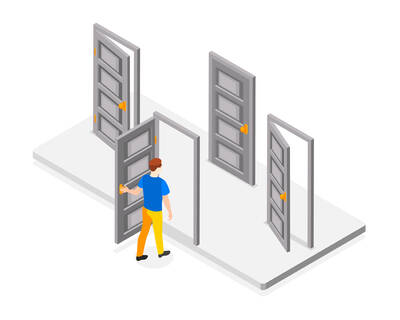
You’re sitting in class when a classmate asks to borrow a pencil. It seems like a small favor, so you agree without hesitation. The following week, the same classmate asks to share your notes. Later, they request help with a group project. You agree each time — after all, you helped out the first time — but before you know it, it has become automatic. This scenario demonstrates the “foot-in-the-door technique,” a psychological concept that shows how agreeing to small, acceptable demands makes it easier to accept larger ones later on. The name for this strategy comes from door-to-door
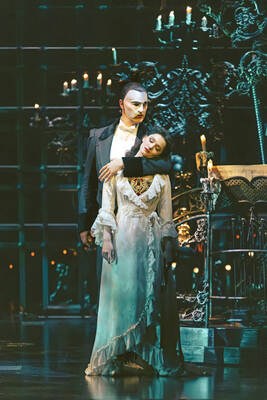
A: The four-day Tomb Sweeping Day long weekend begins Friday and will run until Monday. Are you going to sweep your ancestors’ tombs? B: I did in advance last weekend, so I can go to Kaohsiung to see the musical “The Phantom of the Opera.” A: Wow, is “Phantom” touring Taiwan again? It debuted in 1986, so this year marks the 40th anniversary of the show. B: And it’s not just touring Kaohsiung starting March 31, but also Taipei starting April 21 and Taichung starting May 26. A: “Phantom” is one of the world’s Four Major Musicals. I’ve seen all of them, except “Les
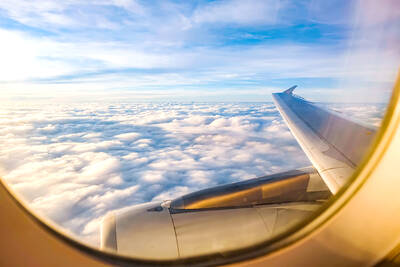
Continued from yesterday(延續自昨日) https://www.taipeitimes.com/News/lang Gig Tripping “Gig tripping” combines concerts with travel. People fly to see their favorite artists perform — usually abroad—and spend a few days sightseeing before or after the show. While die-hard fans have done this since the 1960s, the post-pandemic travel boom changed the game. Even people who aren’t superfans are now booking international concert trips because they want to make the most of travel opportunities. This trend exploded in the US, as the math makes sense. Domestic concert tickets are so costly that flying abroad for the show plus tourism expenses often matches or even beats the price


 RSS
RSS