


Wednesday is April 1, when people in many countries worldwide celebrate the custom of “April Fool’s Day.” On this day, they play pranks on each other, the pranksters gleefully calling those hapless enough to fall for the joke an “April Fool.”
Nobody really knows for certain when, where or why the custom started. We have more certainty over the origins of the word “fool” itself, although some details remain unclear.
The word, which refers to a silly, stupid, or ignorant person, is thought to originate in the early 13th century, deriving from Old French fol, meaning a madman or insane person. The French word, in turn, comes from the Latin follis, meaning a leather bag or a bellows and, by extension later on, an empty-headed person.
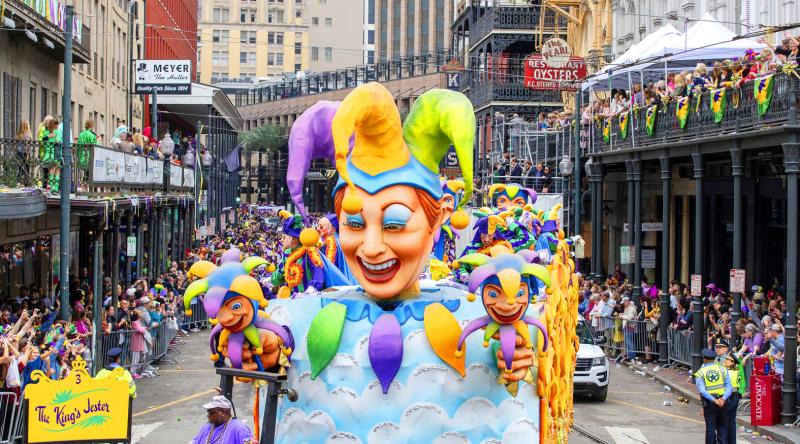
Photo: AP
照片:美聯社
Fool also referred to a rogue or a sinful, wicked or lecherous person — around 1300, a “fool woman” meant a prostitute, for example — and also a court jester, a person whose purpose was to entertain the king and court, whether because they were pretending to be buffoonish or whether they actually were like that.
One theory is that the idea of the court jester “fool” derives from folles — the plural form of follis (bellows) — referring to the puffed cheeks of a buffoon.
It is unclear which sense came first, that of the idiot or the jester.
(Paul Cooper, Taipei Times)
下週三是四月一日,許多國家的人在這天都有過「愚人節」的慣例,互相捉弄,惡作劇的人樂不可支地把那些不幸被騙倒的人稱作「April Fool」(四月的愚人)。
沒有人能確知愚人節這習俗到底是在何時、何地或為何開始的,但我們對「fool」(傻瓜)一字的由來比較能夠掌握多,儘管有些細節仍不甚明瞭。
「fool」這個字,現今指的是傻氣、愚笨或無知的人,通常被認為是源自十三世紀初期的古法語字「fol」,意指瘋子或精神失常的人。而這個字又是源於拉丁文「follis」,意為皮製的袋子或風箱,後來引伸為腦袋空空的人。
「fool」亦指惡棍或有罪、惡毒或淫蕩的人──例如在西元一三○○年左右,「fool woman」指的是妓女,亦指弄臣,也就是在宮廷中負責娛樂國王和朝臣的人,無論這些弄臣是故意裝瘋賣傻,還是本來就如小丑般滑稽。
有一說則是認為,「fool」字的「弄臣」之意,是源於「folles」──即「follis」(風箱的拉丁文複數形)──指的是小丑鼓脹的臉頰。
「fool」一字是先有「傻子」之意,還是先有「弄臣」之意,我們並不清楚。
(台北時報林俐凱譯)

Many consumers are guilty of filling drawers or closets with old laptops, cellphones, fitness trackers and other electronic devices once they are no longer needed. It’s hard to know where to recycle such items, or it seems costly and inconvenient to do so. The world generates millions of tons of electronic waste — also called e-waste — each year. According to the UN’s most recent estimate, people worldwide produced 62 million metric tons of e-waste in 2022, and only about 22 percent of it was properly recycled. The US’ Environmental Protection Agency estimates that less than a quarter of e-waste is

You’re sitting in class when a classmate asks to borrow a pencil. It seems like a small favor, so you agree without hesitation. The following week, the same classmate asks to share your notes. Later, they request help with a group project. You agree each time — after all, you helped out the first time — but before you know it, it has become automatic. This scenario demonstrates the “foot-in-the-door technique,” a psychological concept that shows how agreeing to small, acceptable demands makes it easier to accept larger ones later on. The name for this strategy comes from door-to-door

A: The four-day Tomb Sweeping Day long weekend begins Friday and will run until Monday. Are you going to sweep your ancestors’ tombs? B: I did in advance last weekend, so I can go to Kaohsiung to see the musical “The Phantom of the Opera.” A: Wow, is “Phantom” touring Taiwan again? It debuted in 1986, so this year marks the 40th anniversary of the show. B: And it’s not just touring Kaohsiung starting March 31, but also Taipei starting April 21 and Taichung starting May 26. A: “Phantom” is one of the world’s Four Major Musicals. I’ve seen all of them, except “Les

Continued from yesterday(延續自昨日) https://www.taipeitimes.com/News/lang Gig Tripping “Gig tripping” combines concerts with travel. People fly to see their favorite artists perform — usually abroad—and spend a few days sightseeing before or after the show. While die-hard fans have done this since the 1960s, the post-pandemic travel boom changed the game. Even people who aren’t superfans are now booking international concert trips because they want to make the most of travel opportunities. This trend exploded in the US, as the math makes sense. Domestic concert tickets are so costly that flying abroad for the show plus tourism expenses often matches or even beats the price


 RSS
RSS