


Faced with the COVID-19 outbreak, the hiring outlook of Taiwanese enterprises has declined to a low not seen since 2017, according to online job bank yes123. About 21.4 percent of the companies said the epidemic could affect their hiring, and 48 percent said it could hurt their profits, while 9.4 percent said it could boost their business.
The epidemic is having a major impact on domestic demand, and the tourism industry, including hotels and travel agencies, could suffer most. However, online shopping and food delivery may benefit from the rise of the “stay-at-home” economy. Companies that have been affected are being advised to carry out staff training or office renovation during the downturn.
Meanwhile, job app Chick PT reported that the epidemic is hitting students who work part-time hard. About 10 percent of Taiwanese student part-timers said that they do not dare to go to work due to concerns about infection, while as many as 75 percent of students looking for part-time work are having trouble finding a job in the current semester.
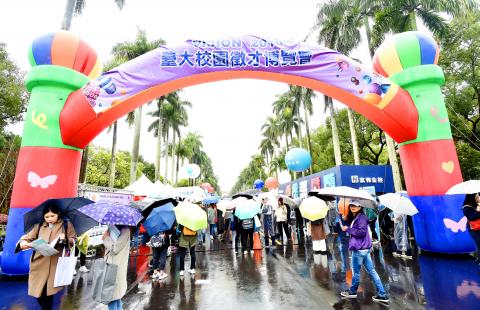
Photo: Chien Jung-fong, Liberty Times
照片︰自由時報記者簡榮豐
(Eddy Chang, Taipei Times)
面對武漢肺炎的爆發,人力銀行「yes123求職網」說,台灣企業徵才前景跌至二○一七年以來新低,有百分之二十一‧四的公司表示招募受影響,百分之四十八表示生意受影響,而百分之九‧四認為,疫情反而能提升業績。
疫情對內需影響極大,特別是觀光業,包括飯店和旅行社等,受創最為慘重。然而線上購物及飲食外送業者,可望因這股「宅經濟」興起而獲利。至於受到衝擊的公司,則建議可趁淡季進行員工訓練,或整修辦公室。
此外根據打工APP「小雞上工」調查,疫情對須兼職工作的學生衝擊也不小。有一成學生打工族因擔心被傳染不敢去打工,更有高達百分之七十五的打工族這學期還沒找到工作。
(台北時報張聖恩〉
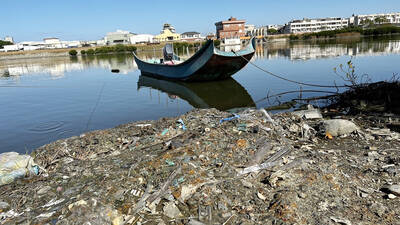
Many consumers are guilty of filling drawers or closets with old laptops, cellphones, fitness trackers and other electronic devices once they are no longer needed. It’s hard to know where to recycle such items, or it seems costly and inconvenient to do so. The world generates millions of tons of electronic waste — also called e-waste — each year. According to the UN’s most recent estimate, people worldwide produced 62 million metric tons of e-waste in 2022, and only about 22 percent of it was properly recycled. The US’ Environmental Protection Agency estimates that less than a quarter of e-waste is
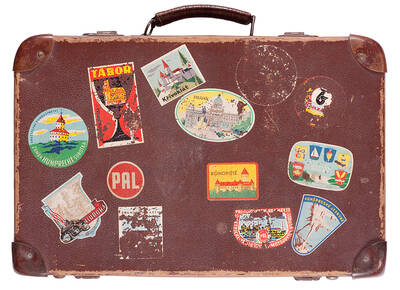
Travel fever is back, and it’s contagious. After years of being kept home during the COVID-19 pandemic, people are once again eager to explore the world. Rather than just book any trip, travelers are getting smarter about how they scratch that travel itch. Microcation Defined as four days or fewer and over 160km away from home, the microcation perfectly matches the post-pandemic mindset. After long periods of remaining indoors, people are making up for lost time by taking short, frequent getaways throughout the year. These brief trips avoid the work-life imbalance that comes with long absences. With only a few days away, one’s

You’re sitting in class when a classmate asks to borrow a pencil. It seems like a small favor, so you agree without hesitation. The following week, the same classmate asks to share your notes. Later, they request help with a group project. You agree each time — after all, you helped out the first time — but before you know it, it has become automatic. This scenario demonstrates the “foot-in-the-door technique,” a psychological concept that shows how agreeing to small, acceptable demands makes it easier to accept larger ones later on. The name for this strategy comes from door-to-door

Continued from yesterday(延續自昨日) https://www.taipeitimes.com/News/lang Gig Tripping “Gig tripping” combines concerts with travel. People fly to see their favorite artists perform — usually abroad—and spend a few days sightseeing before or after the show. While die-hard fans have done this since the 1960s, the post-pandemic travel boom changed the game. Even people who aren’t superfans are now booking international concert trips because they want to make the most of travel opportunities. This trend exploded in the US, as the math makes sense. Domestic concert tickets are so costly that flying abroad for the show plus tourism expenses often matches or even beats the price


 RSS
RSS