


In an era of on-screen entertainment, a simple glove puppet named Aragoz still lures Egyptian audiences with comic sketches showing how wits and skill can defeat the thuggish and corrupt. Recounting stories with a thought-provoking moral in their tale, puppeteers evoke peels of laughter from spectators, mainly children, as they enact Aragoz’s exploits, some of which date back centuries to Ottoman times.
The squeaky-voiced puppet, with a wooden head, red conical hat, thin painted moustache and a bright red cloth cloak, was recognized by UNESCO in 2018 as part of the planet’s intangible cultural heritage. “It has clicked with the people because it represents them. It succeeds where they cannot by challenging and winning against rivals,” said Sabry Metawly, one of a diminishing band of veteran puppeteers still putting on performances of Egypt’s most adored folk figure. “Aragoz humorously criticizes the actions of the powerful and resists the corrupt during the plays,” said Nabil Bahgat, founder of the Wamda troupe, of which Metawly is also a member. “But it does not target specific figures of current politics or leaders.”
Like his father before him, Metawly performs from behind a portable box-like booth moving two puppets, one on each hand. He has been working as a puppeteer for more than 50 years, following in his father’s footsteps. He learned the stories — which are passed down orally — by watching his father perform in the streets and at rural festivals and Muslim celebrations.
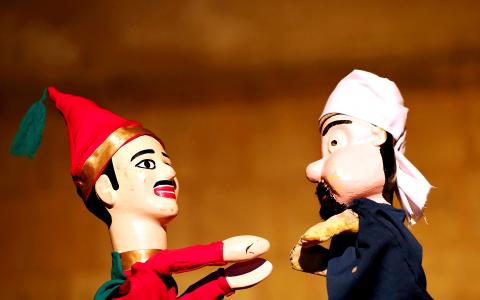
Photo: AFP
照片:法新社
By 2003, when Bahgat formed Wamda, he had managed to collect 19 plays orally and commit them to paper. All the Aragoz sketches, still performed today, are part of the country’s cultural heritage, passed down from one generation of performers to the next, without being properly documented, he said.
None of the plays can be traced to a certain time or specific person, said troupe member Mahmoud Sayed. In them, Aragoz is often pitted against other puppets resembling an Ottoman-era policeman, a sheikh or a bully, and gets into comical verbal sparring matches sprinkled with clever puns.
Metawly always feared the art form would disappear, as veteran puppeteers dwindled in numbers and digital advancement took over entertainment. Some trace it back to the Fatimid dynasty from the 10th to 12th centuries, and others say it particularly flourished when the Ottomans took over Egypt from the 16th century.
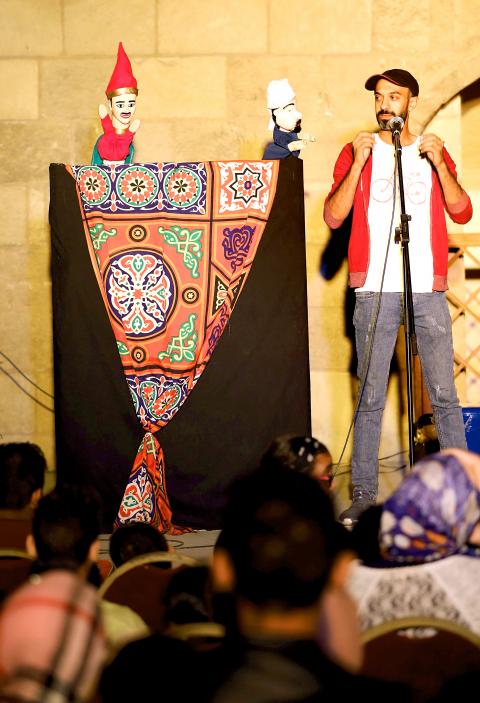
Photo: AFP
照片:法新社
The origins of the name Aragoz is also a subject of debate. Some argue that it was inspired by the Ottoman-era shadow theater form known as Karagoz. Others say it dates back to the pharaohs, said Sayed. But practitioners have preserved its intrinsic features, including the puppet’s unique squeaky high-pitched voice created by a swazzle the puppeteers hold in their mouths.
Over the decades, Aragoz has also become a more general insult for a clown. Pro-government media often use the term to refer to supporters of the outlawed Muslim Brotherhood group. “People nowadays diminish the term Aragoz to whatever they deem as silly or generally bad,” said Bahgat. “This just shows how little respect we have for our own culture.”
(AFP)
在螢幕娛樂盛行的時代,一個名為「阿拉果茲」的簡單手袋傀儡仍可以用喜劇性短劇吸引埃及觀眾,展現機智和掌中技藝如何打敗惡棍與貪腐。操偶師述說著內含發人深省道德寓意的故事,重現出「阿拉果茲」的豐功偉業,引來觀眾──主要是孩童們──的陣陣笑聲,有些情節甚至能追溯到好幾個世紀之前的鄂圖曼時期。
這個嗓音尖銳的木偶,有一顆木製的頭,戴著紅色的錐形帽,臉上畫著細細的小鬍子,穿著亮紅色罩衫,在二○一八年獲聯合國教科文組織認定為世界無形文化遺產。薩布里‧梅塔瓦歷指出:「阿拉果茲跟人民一拍即合,因為他正是人民的代表。在人民無力的地方,他都能成功挑戰或打敗對手。」梅塔瓦歷是逐漸凋零的資深操偶師其中一員,現在仍持續操演埃及這位最受喜愛的民俗人物,他也是劇團「Wamda」的成員之一。創辦該劇團的納比‧巴嘉指出:「阿拉果茲在劇中風趣地批評掌權者的作為,抵制腐敗的人,但他不會把矛頭對準當今政治的特定人物或領導人。」
梅塔瓦歷像他的父親一樣,在一個可移動的箱型棚子背後表演,一手拿著一隻木偶同時演出。他追隨著父親的腳步,已經擔任了五十多年的操偶師。當年,梅塔瓦歷看著父親在街上、在農村節慶裡、在穆斯林慶典中表演,從中學習這些以口傳方式流傳的故事。
巴嘉在二○○三年創辦「Wamda」劇團時,梅塔瓦歷已經用口傳方式成功蒐集了十九個劇碼,並且將它們寫成紙本。梅塔瓦歷表示,所有今天仍在上演的「阿拉果茲」短劇都是該國文化遺產的一部分,從一個世代的表演者傳承給下一代,卻沒有被好好地記錄下來。
劇團成員馬哈穆德‧薩伊德指出,這些劇碼沒有一部能追溯到某一個時代或是某個特定人物。而在這些短劇中,阿拉果茲經常要對抗長得像鄂圖曼時代警察、阿拉伯酋長,或是惡棍的其他人偶,與敵方展開滑稽的鬥嘴和言詞交鋒,過程穿插慧黠的雙關語笑話。
隨著老操偶師數量逐漸減少,數位科技的進步接掌人類娛樂,梅塔瓦歷一直害怕這項藝術形式會消失。有些人將這門掌中藝術追溯至十世紀到十二世紀之間的法提瑪王朝,也有人指出這種偶戲在鄂圖曼人佔領埃及的十六世紀時特別盛行。
「阿拉果茲」名字的由來也是眾說紛紜。薩伊德表示,有些人主張這個名字是受到鄂圖曼時代的皮影戲形式「卡拉格茲」啟發,也有人認為可以追溯到法老時期。無論如何,操偶師們仍然保存了這項藝術本身的固有特色,包括木偶獨特的尖銳高聲調嗓音。這種聲音來自於操偶師含在嘴中、由兩塊金屬片綁在一起的口笛樂器「swazzle」。
數十年來,「阿拉果茲」也已經成為一種更普遍的辱罵性辭彙,用來嘲笑耍活寶的人。親政府的媒體經常用這個詞來描述非法的穆斯林兄弟會支持者。巴嘉表示:「現在的人貶低了阿拉果茲這個詞,用它來指稱任何他們覺得愚蠢或是不好的事物。這單純顯示出我們對自己的文化有多麼不尊重。」
(台北時報章厚明編譯)
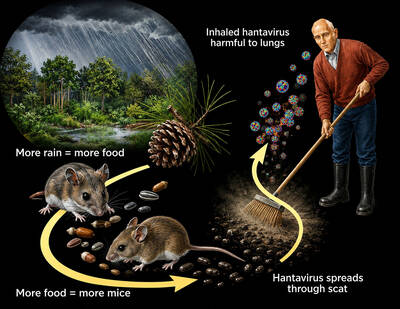
An outbreak aboard a cruise ship of a rare rodent-borne illness called hantavirus has left three passengers dead and sickened others, but global health officials say the risk to the general public remains low because the germ does not easily spread between people. “This is not the next COVID, but it is a serious infectious disease,” said Maria Van Kerkhove, director of epidemic and pandemic preparedness at the World Health Organization (WHO). “Most people will never be exposed to this.” The virus usually spreads when people inhale contaminated residue of rodent droppings. Hantaviruses have been around for centuries and are thought to
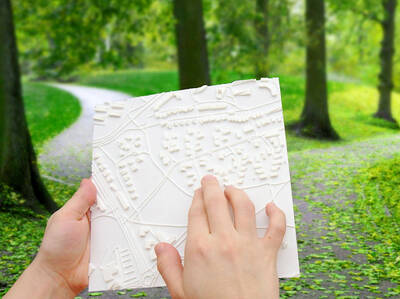
Have you ever wondered how people navigate the world when they can’t see a map? For individuals with visual impairments, conventional maps are nearly impossible to use. This is where tactile maps come in — essential tools that allow people to “see” the world through touch. A tactile map is specially designed with raised lines, textures, and symbols to represent geographical features such as roads, rivers, and buildings. Users explore it with their fingertips. However, these maps are not exclusively for people with visual disabilities. They serve as valuable multisensory learning tools that enhance spatial understanding for everyone, making

A growing green movement allows hotel guests to fund tree planting projects simply by opting out of daily room cleans. This approach turns an ordinary hotel stay into a direct contribution to nature. Founded in the Netherlands, the nonprofit “Hotels for Trees” operates on the principle that one skipped cleaning equals one new tree. It has planted more than 750,000 trees since 2021. Similarly, Sarnia Hotels in Guernsey donates £2 per refused clean. Since 2024, over 3,300 services have been cancelled, raising sufficient money to plant 1,100 native trees and hedgerows. Simplicity has been central to this success.

1. 他病了三天。 ˇ He has been sick for three days. χ He has been sick since three days. 註︰這裡現在完成時態 have / has been 表示從過去某一時日到現在的一段時間存在的行為或狀態,與它連用的時間副詞應為 「for +若干時」,如 for a year, for three hours 等,意思是歷時多少。 2. 他自從星期三以來都很忙。 ˇ He has been busy since Wednesday. χ He has been busy from Wednesday. 註︰「自從……以來」,該用 since。說從某一天(某一時刻)到某一天(某一時刻)才用 from,如 from Monday till Friday。 3. 房間角落裡散放著一些零星物件。 ˇ There were some odds and ends lying in the corner of the room. χ There were some odds and ends lying at the corner of the room. 註︰「在房間角落裡」該用介詞 in。例如: He stood in the corner. There is a lamp in the corner of the room. at the corner 指房子外部的拐角。例如: A little boy


 RSS
RSS