


Ready to hit the water for some summer fun? New Taipei City is putting on the River and Ocean Music Festival this summer, combining for the first time the Fisherman Stage Music Paradise with the Ho-Hai-Yan Gongliao Rock Festival. The former took place at the city’s Fisherman’s Wharf by the Tamsui River between July 27 and Aug. 25, while the latter begins today and runs until Sunday at Fulong Beach by the Pacific Ocean.
As it enters its 19th year, the Ho-Hai-Yan Festival is now the largest music festival in Taiwan. This year, a total of 87 artists or groups are set to rock the beach. Today’s lineup includes 831, Trash, MJ116 and various artists from home and abroad.
The indie music contest is to take place tomorrow, followed by a joint performance of singer Matzka and groups Boxing and Totem. More bands, including Your Woman Sleep with Others and Tizzy Bac will perform on Sunday, and singer Greeny Wu will rock the stage for the finale at 9:05pm.
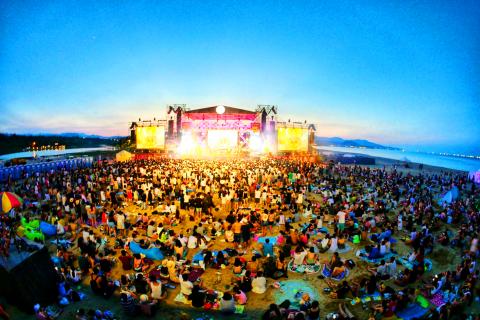
Photo: CNA
照片︰中央社
(Eddy Chang, Taipei Times)
準備好要去水邊狂歡一夏了嗎?新北市今年夏天首度推出「河海音樂季」,結合了淡水漁人舞台、貢寮國際海洋音樂祭兩大活動。前者於七月二十七日至八月二十五日,在該市位於淡水河畔的漁人碼頭登場;後者自今日起,在可眺望太平洋的福隆海水浴場持續至週日。
隨著海洋音樂祭今年邁入第十九屆,該活動已成為台灣最盛大的音樂活動。本屆更有八十七組藝人或樂團,在福隆海灘登台嗨唱。今日陣容包括八三夭、Trash樂團、頑童MJ116,以及國內外多組藝人。
年度海洋獨立音樂大賞將於明日決賽,之後是歌手Matzka、Boxing樂團、圖騰樂團的共同演出。老王樂隊和Tizzy Bac等樂團將在週日開唱,歌手吳青峰則會在當晚九點零五分壓軸登場。
(台北時報張聖恩)
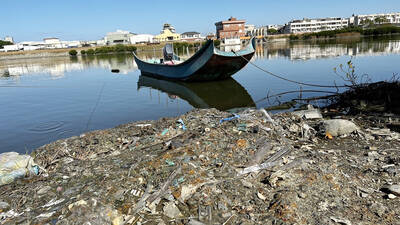
Many consumers are guilty of filling drawers or closets with old laptops, cellphones, fitness trackers and other electronic devices once they are no longer needed. It’s hard to know where to recycle such items, or it seems costly and inconvenient to do so. The world generates millions of tons of electronic waste — also called e-waste — each year. According to the UN’s most recent estimate, people worldwide produced 62 million metric tons of e-waste in 2022, and only about 22 percent of it was properly recycled. The US’ Environmental Protection Agency estimates that less than a quarter of e-waste is
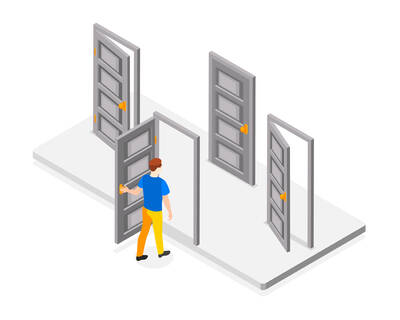
You’re sitting in class when a classmate asks to borrow a pencil. It seems like a small favor, so you agree without hesitation. The following week, the same classmate asks to share your notes. Later, they request help with a group project. You agree each time — after all, you helped out the first time — but before you know it, it has become automatic. This scenario demonstrates the “foot-in-the-door technique,” a psychological concept that shows how agreeing to small, acceptable demands makes it easier to accept larger ones later on. The name for this strategy comes from door-to-door

A: The four-day Tomb Sweeping Day long weekend begins Friday and will run until Monday. Are you going to sweep your ancestors’ tombs? B: I did in advance last weekend, so I can go to Kaohsiung to see the musical “The Phantom of the Opera.” A: Wow, is “Phantom” touring Taiwan again? It debuted in 1986, so this year marks the 40th anniversary of the show. B: And it’s not just touring Kaohsiung starting March 31, but also Taipei starting April 21 and Taichung starting May 26. A: “Phantom” is one of the world’s Four Major Musicals. I’ve seen all of them, except “Les

Dos & Don’ts — 想想看,這句話英語該怎麼說? 1. 我們很早到達電影院。 ˇ We arrived at the theater very early. χ We arrived the theater very early. 註︰arrive 為不及物動詞,後面如果有受詞要用 at 或 in。例如:They arrived in Taipei yesterday.。一般大地方,如國家、省、大城市等前面用 in,凡小地方城鎮、學校等則用 at。 2. 開車半小時以後,我們到達了海灘。 ˇ After half an hour’s drive, we got to the beach. χ After half an hour’s drive, we got the beach. 註︰come, go, get(來、去、到達)某地時,在表示地點的名詞前面應該用 to,如 go to school, go to Taipei, come to Shanghai 等。如果這些動詞後面所跟的是 here, there, home 等副詞,則不用 to。 3. 明天我會回辦公室。 ˇ I will be back in the office tomorrow. χ I will be back to office tomorrow. 註︰to be back 一語裡的 back 是副詞,不是介詞,所以後面要用 at (the market) 或 in (the office)。 假如假期結束,要回學校上課了則可說: ? Kids will be back


 RSS
RSS