


Many people treat their pets like a member of the family. When a beloved family pet passes away, some owners choose to have them stuffed and preserved by a taxidermist; however many people know little of the art of taxidermy. A skilled taxidermist is able to retain the animal’s appearance just as it was before it died and capture a realistic pose so that it can stay by its owner’s side even after death.
Taxidermist Kuo Wei-hung says “We respect both the feelings of the pet and its owner. According to the owner’s wishes, we may retain the animal’s skeleton and organs, but whatever we do we are always respectful toward the animal.”
Although Kuo would watch his father, a taxidermist, preserve animals and aquired some basic knowledge through osmosis, Kuo’s original desire was to work in the food and beverage industry. However, as his father’s health began to deteriorate, Kuo would lend a hand and came into contact with his father’s clients.
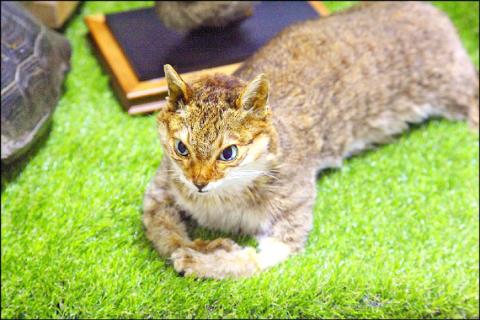
Photo: Lee Hui-chou, Liberty Times
照片:自由時報記者李惠洲
Kuo began to understand the heartfelt wish of the pet owners to preserve their loved one after death, and was extremely moved by the affection owners displayed for their fury friends. Kuo also wanted to carry on the family business and these twin feelings motivated him to enter the world of taxidermy.
Kuo began by studying the physical composition, unique characteristics and habits of each species of pet animal. This meant that when discussing preservation methods with clients, Kuo could fully understand a pet’s unique qualities and also predict what challenges he might encounter during the process.
On receiving a new specimen, Kuo first cleans internal organs and feces from inside the body. He then asks the owner whether they wish to preserve their pet or opt for cremation. If the client wishes to preserve the animal, Kuo will then carry out a second stage of cleaning and ask what type of posture they would like their pet to adopt before starting the modeling process. All of this work has to be carried out in a cool environment at room temperature.
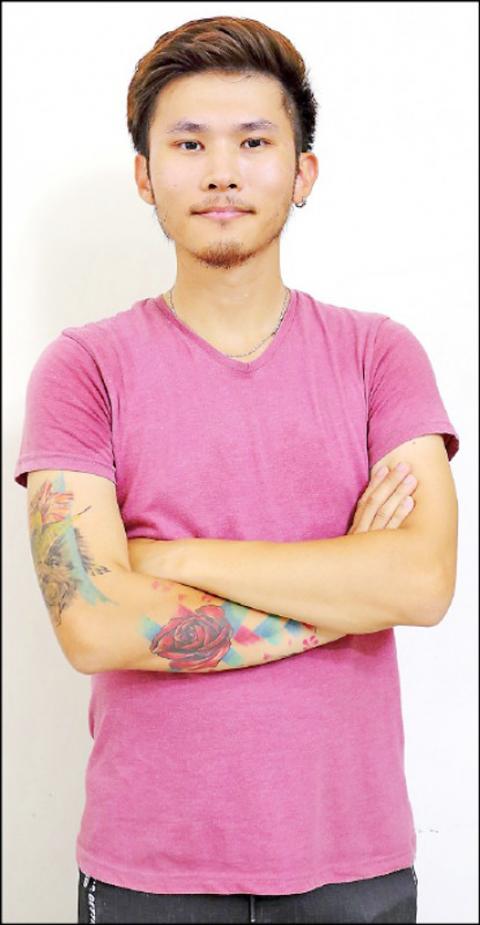
Photo: Lee Hui-chou, Liberty Times
照片:自由時報記者李惠洲
The next step involves allowing the body to dry out, which is either done by air-drying or through freezing. While this is happening Kuo must pay attention to any areas of the body that may begin to sag, and will stuff these areas with cotton wool as necessary. Once the animal is thoroughly dried out, Kuo uses modeling clay to fill in any contours and lines around the eyes, and will also cover any scarring to the skin.
(Translated by Edward Jones, Taipei Times)
許多人把毛孩當成家人般對待,因此毛孩過世時,有些飼主會將牠製成標本,不過很多人對動物標本師很陌生,然而透過他的手,可以讓寵物保留生前的姿態,定格住完美的身影,永遠陪在飼主身邊。動物標本師郭偉宏說:「我們會尊重寵物和飼主的感受,依據飼主需求,盡可能保留骨骼跟內臟,以我們認為最尊重牠們的方式製作。」
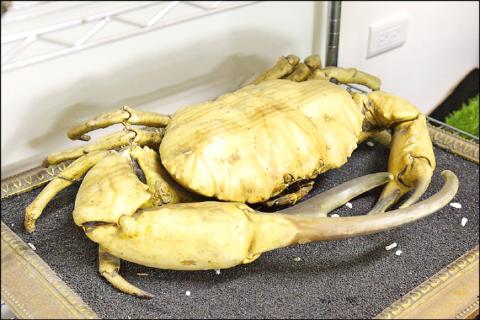
Photo: Lee Hui-chou, Liberty Times
照片:自由時報記者李惠洲
雖然從小跟在父親身邊,看著父親製作一件件動物標本,耳濡目染之下也有些了解,但其實他最初的夢想是從事餐飲業。只是當時的他因父親身體不適需幫忙製作標本,才接觸到許多客人,在與客人溝通時,他明確了解到飼主是真心想把過世的寵物留下來,被飼主與毛孩之間的情誼打動,同時也想繼承家業,於是郭偉宏正式踏入這個行業。
在初期郭偉宏開始研究每個種動物的身體構造、特色與習性,因為當客人聯繫時,就須知道寵物有哪些特色、製作時會遇到哪些問題,與飼主溝通製作方式。在標本送來時,他會初步清理身體裡的內臟與排泄物,再看飼主是要防腐,或若不留下就火化,之後會再做一次清洗,接著以飼主希望的型態開始塑形,這些都是在常溫下完成。
下一步則是要等待乾燥(視情況風乾或冷凍),等待同時要注意哪些部位會萎縮,若有則適時填充一些棉花,等待乾燥完後就會收尾,像是以模型土修飾眼睛周圍的輪廓紋路等,皮膚上如有傷疤也要一起補好。
(自由時報記者姜凱玲)
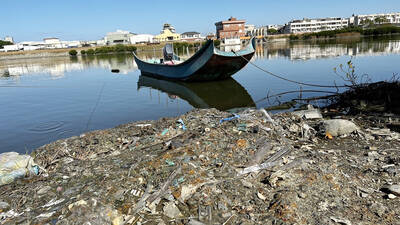
Many consumers are guilty of filling drawers or closets with old laptops, cellphones, fitness trackers and other electronic devices once they are no longer needed. It’s hard to know where to recycle such items, or it seems costly and inconvenient to do so. The world generates millions of tons of electronic waste — also called e-waste — each year. According to the UN’s most recent estimate, people worldwide produced 62 million metric tons of e-waste in 2022, and only about 22 percent of it was properly recycled. The US’ Environmental Protection Agency estimates that less than a quarter of e-waste is
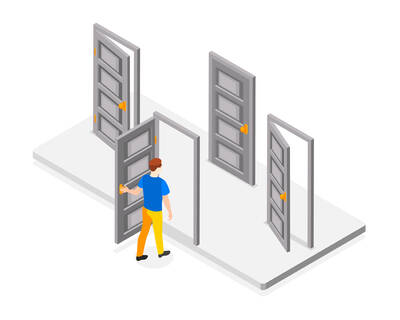
You’re sitting in class when a classmate asks to borrow a pencil. It seems like a small favor, so you agree without hesitation. The following week, the same classmate asks to share your notes. Later, they request help with a group project. You agree each time — after all, you helped out the first time — but before you know it, it has become automatic. This scenario demonstrates the “foot-in-the-door technique,” a psychological concept that shows how agreeing to small, acceptable demands makes it easier to accept larger ones later on. The name for this strategy comes from door-to-door
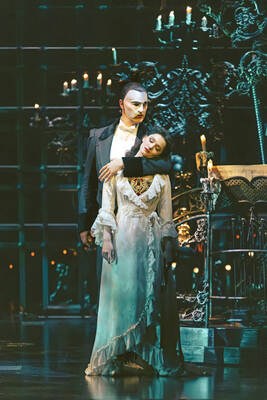
A: The four-day Tomb Sweeping Day long weekend begins Friday and will run until Monday. Are you going to sweep your ancestors’ tombs? B: I did in advance last weekend, so I can go to Kaohsiung to see the musical “The Phantom of the Opera.” A: Wow, is “Phantom” touring Taiwan again? It debuted in 1986, so this year marks the 40th anniversary of the show. B: And it’s not just touring Kaohsiung starting March 31, but also Taipei starting April 21 and Taichung starting May 26. A: “Phantom” is one of the world’s Four Major Musicals. I’ve seen all of them, except “Les
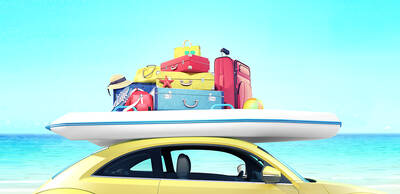
Dos & Don’ts — 想想看,這句話英語該怎麼說? 1. 我們很早到達電影院。 ˇ We arrived at the theater very early. χ We arrived the theater very early. 註︰arrive 為不及物動詞,後面如果有受詞要用 at 或 in。例如:They arrived in Taipei yesterday.。一般大地方,如國家、省、大城市等前面用 in,凡小地方城鎮、學校等則用 at。 2. 開車半小時以後,我們到達了海灘。 ˇ After half an hour’s drive, we got to the beach. χ After half an hour’s drive, we got the beach. 註︰come, go, get(來、去、到達)某地時,在表示地點的名詞前面應該用 to,如 go to school, go to Taipei, come to Shanghai 等。如果這些動詞後面所跟的是 here, there, home 等副詞,則不用 to。 3. 明天我會回辦公室。 ˇ I will be back in the office tomorrow. χ I will be back to office tomorrow. 註︰to be back 一語裡的 back 是副詞,不是介詞,所以後面要用 at (the market) 或 in (the office)。 假如假期結束,要回學校上課了則可說: ? Kids will be back


 RSS
RSS