


In the wake of a public relations disaster, Domenico Dolce and Stefano Gabbana, co-founders of Italian fashion brand Dolce & Gabbana, issued a video apology last Friday for controversial remarks made by Gabbana. After the brand’s latest advertising campaign was criticized for being racist, Gabbana had apparently written in an Instagram message that “the country of [five poo emojis] is China.”
The promotional videos, featuring a goofy Chinese woman struggling to eat pizza, spaghetti and cannoli with chopsticks, sparked criticism from consumers, who thought it disrespectful to Chinese culture. After Gabbana made his comments online, models and celebrities, including actress Zhang Ziyi, pulled out of the brand’s Shanghai fashion show, which was eventually cancelled.
Although the brand claimed that Gabbana’s Instagram account had been hacked, the case snowballed, and many e-commerce sites removed its products. The brand withdrew from Taiwan’s market in 2015 due to poor sales.

Photo: AP
照片:美聯社
(Eddy Chang, Taipei Times)
面對巨大的公關危機,義大利時尚精品「杜嘉班納」的共同創辦人杜奇與嘉班納,於上週五透過影片為了嘉班納的爭議性言論道歉。他於該品牌最新廣告影片被指為種族歧視後,在IG留言裡寫下「中國是屎國」等言論。
在宣傳影片中,一位滑稽的華人女子費勁地用筷子來吃披薩、義大利麵、卡諾里起司卷,進而引發消費者質疑,認為這樣不尊重中華文化。嘉班納在網路上開砲後,所有模特兒和女星章子怡等名流,均退出該品牌原訂在上海的時裝大秀,活動最終已於上週宣告取消。
該品牌則宣稱嘉班納的IG帳號遭到駭客入侵,但事件就像滾雪球般越鬧越大,各大電商平台紛紛下架其商品。「杜嘉班納」因銷售欠佳,於二○一五年即退出台灣市場。
(台北時報張聖恩)
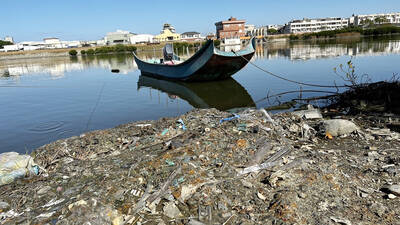
Many consumers are guilty of filling drawers or closets with old laptops, cellphones, fitness trackers and other electronic devices once they are no longer needed. It’s hard to know where to recycle such items, or it seems costly and inconvenient to do so. The world generates millions of tons of electronic waste — also called e-waste — each year. According to the UN’s most recent estimate, people worldwide produced 62 million metric tons of e-waste in 2022, and only about 22 percent of it was properly recycled. The US’ Environmental Protection Agency estimates that less than a quarter of e-waste is
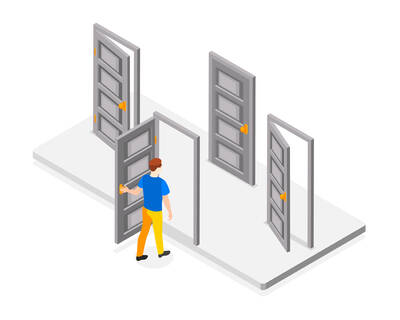
You’re sitting in class when a classmate asks to borrow a pencil. It seems like a small favor, so you agree without hesitation. The following week, the same classmate asks to share your notes. Later, they request help with a group project. You agree each time — after all, you helped out the first time — but before you know it, it has become automatic. This scenario demonstrates the “foot-in-the-door technique,” a psychological concept that shows how agreeing to small, acceptable demands makes it easier to accept larger ones later on. The name for this strategy comes from door-to-door

A: The four-day Tomb Sweeping Day long weekend begins Friday and will run until Monday. Are you going to sweep your ancestors’ tombs? B: I did in advance last weekend, so I can go to Kaohsiung to see the musical “The Phantom of the Opera.” A: Wow, is “Phantom” touring Taiwan again? It debuted in 1986, so this year marks the 40th anniversary of the show. B: And it’s not just touring Kaohsiung starting March 31, but also Taipei starting April 21 and Taichung starting May 26. A: “Phantom” is one of the world’s Four Major Musicals. I’ve seen all of them, except “Les

Dos & Don’ts — 想想看,這句話英語該怎麼說? 1. 我們很早到達電影院。 ˇ We arrived at the theater very early. χ We arrived the theater very early. 註︰arrive 為不及物動詞,後面如果有受詞要用 at 或 in。例如:They arrived in Taipei yesterday.。一般大地方,如國家、省、大城市等前面用 in,凡小地方城鎮、學校等則用 at。 2. 開車半小時以後,我們到達了海灘。 ˇ After half an hour’s drive, we got to the beach. χ After half an hour’s drive, we got the beach. 註︰come, go, get(來、去、到達)某地時,在表示地點的名詞前面應該用 to,如 go to school, go to Taipei, come to Shanghai 等。如果這些動詞後面所跟的是 here, there, home 等副詞,則不用 to。 3. 明天我會回辦公室。 ˇ I will be back in the office tomorrow. χ I will be back to office tomorrow. 註︰to be back 一語裡的 back 是副詞,不是介詞,所以後面要用 at (the market) 或 in (the office)。 假如假期結束,要回學校上課了則可說: ? Kids will be back


 RSS
RSS