


BY the time he produced The First Emperor of China (1998), the unrestrained quality, meticulous detail and sumptuousness of Chen Uen’s (1958-2016) manga art had reached its apogee. Even setting aside his storylines and storyboarding, the design of the characters alone was hugely impressive. The entrance, for example, of the First Emperor Qin Shihuang’s nine ministers and military officers (photo 1) in the opening sequence of the Han Feizi section, depicted each character with their own unique, distinct personality. Visually, each character seemed imbued with metaphorical symbolism, giving one the sense that a quick glance was all that was needed to understand what they were thinking, and what they had been through in life.
Around 2000, Chen Uen was asked to design characters and scenes for the Japanese computer game Chen Uen no San Goku Shi (Chen Uen’s Romance of the Three Kingdoms). The entire set of over 100 sketches of characters made for this game are featured in the “Legacy of Chen Uen: Art, Life and Philosophy” exhibition now on at the National Palace Museum in Taipei, allowing visitors to marvel at the range of techniques and styles he used, and how varied and realistic the faces of the characters in the Three Kingdoms stories are. According to Chen’s student Chung Meng-shun and son, Cheng Chih-yu, he had found inspiration for the faces from graduation yearbooks and old photographs from the late Qing/early Republican period.
It is important for characters in both manga comics and computer games to be instantly distinguishable from the others, to make it easy for the reader or the gamer to be able to follow the story. The online game San Guo Online that Chen Uen worked on in China was the first to introduce symbolic cultural elements such as ancient bronzes, blue-and-white porcelains and Chinese knots to create characters with exaggerated design elements (photo 2) for the online fantasy game.
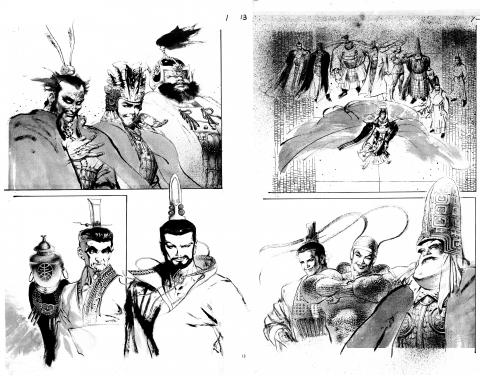
Photo courtesy of Chung Meng-shun, Chen Uen Studio
照片:鄭問工作室鍾孟舜提供
Chen Uen used everything within his reach: comics, carving, computer games; the nib pen, the Chinese brush, the toothbrush, rollers, computers, plastic bags and sand; abstraction and realism; the East and the West; quoting the texture of pineapples for armor, or the shape of pencil shavings to express martial art movements: he blended all of these in a grand synchronism, much like our everyday lives are a mixture of so many sources.
The cultural symbols of the National Palace Museum’s collection and the orthodox history of dynastic rise and fall have gained a foothold in Taiwan. The “Legacy of Chen Uen: Art, Life and Philosophy” exhibition is a commentary to the debate surrounding the identity of the National Palace Museum.
(Translated by Paul Cooper)
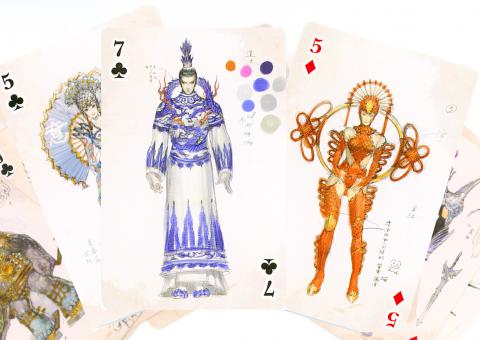
Photo courtesy of Chen Uen Studio
照片:鄭問工作室提供
鄭問(一九五八~二○一七)的漫畫到了《始皇》(一九九八年),其狂放、細緻與華麗,可說推到了一個極致——即便抽離了故事、分鏡場景,光是人物的塑造,也大有可觀。例如〈韓非子篇‧第一話〉中,秦始皇九位名臣的出場(圖一),其個性鮮明、各自迥異的造型,便令人驚艷。視覺上人物的造型彷彿成了隱喻,一瞥即知其內心狀態與人生經歷。
二○○○年前後,鄭問受邀為日本電子遊戲《鄭問之三國志》設計人物與場景。刻正於台北故宮展出的「鄭問故宮大展」,其中即包括《鄭問之三國志》全套一百多張畫稿。觀者無不訝於其技巧與與風格的多變,為三國故事眾多的角色創作出如此多樣且如真的臉孔。據鄭問弟子鍾孟舜及鄭問之子鄭植羽透露,鄭問曾參考畢業紀念冊以及清末民初之老照片作為靈感來源。
漫畫和電子遊戲,都需要有可快速辨識的人物造型,讓讀者和玩家容易跟上劇情。鄭問赴中國設計的線上遊戲《鐵血三國志》,首創引入青銅器、青花瓷、中國結等文化元素符號,設計出線上遊戲奇幻、誇張的角色造型(如圖二)。
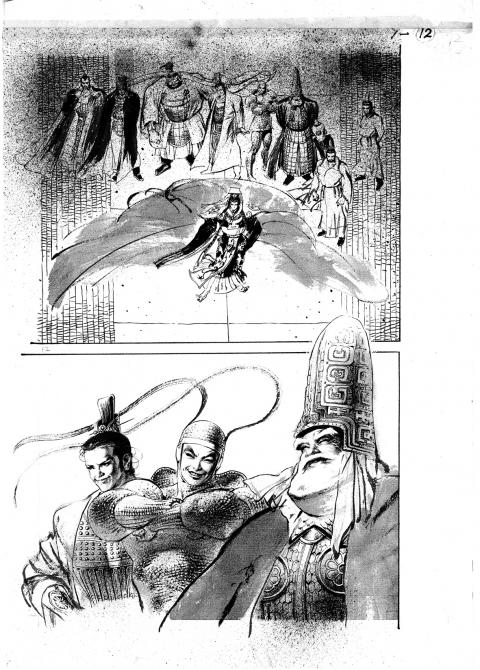
Photo courtesy of Chung Meng-shun, Chen Uen Studio
照片:鄭問工作室鍾孟舜提供
漫畫、雕塑、電腦遊戲,沾水筆、毛筆、牙刷、滾筒、電腦、塑膠袋、砂子,抽象、具象,東方、西方,援引鳳梨的紋樣做盔甲、削鉛筆旋轉的木屑形狀做武功招式,鄭問信手拈來,沒有界線,因為這也就是我們真實的生活。
故宮文物與朝代興衰的「正史」交互引述,文化的符碼落腳台灣。對於台灣的故宮的思索,「鄭問故宮大展」已做了註腳。
(台北時報林俐凱)
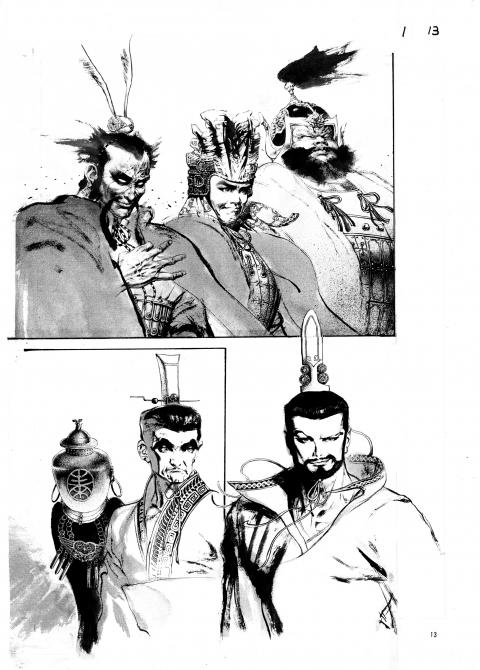
Photo courtesy of Chung Meng-shun, Chen Uen Studio
照片:鄭問工作室鍾孟舜提供
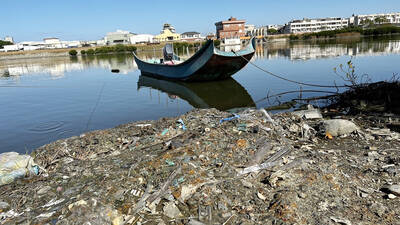
Many consumers are guilty of filling drawers or closets with old laptops, cellphones, fitness trackers and other electronic devices once they are no longer needed. It’s hard to know where to recycle such items, or it seems costly and inconvenient to do so. The world generates millions of tons of electronic waste — also called e-waste — each year. According to the UN’s most recent estimate, people worldwide produced 62 million metric tons of e-waste in 2022, and only about 22 percent of it was properly recycled. The US’ Environmental Protection Agency estimates that less than a quarter of e-waste is
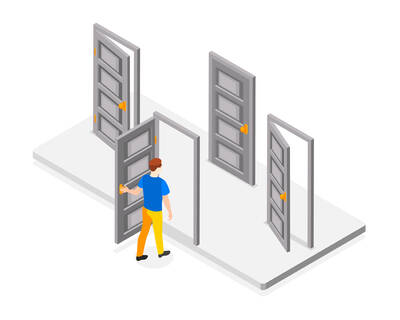
You’re sitting in class when a classmate asks to borrow a pencil. It seems like a small favor, so you agree without hesitation. The following week, the same classmate asks to share your notes. Later, they request help with a group project. You agree each time — after all, you helped out the first time — but before you know it, it has become automatic. This scenario demonstrates the “foot-in-the-door technique,” a psychological concept that shows how agreeing to small, acceptable demands makes it easier to accept larger ones later on. The name for this strategy comes from door-to-door
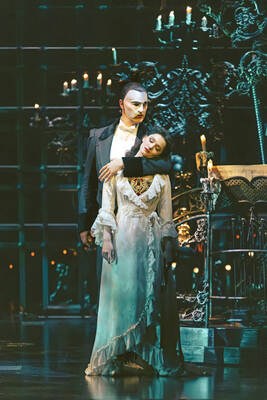
A: The four-day Tomb Sweeping Day long weekend begins Friday and will run until Monday. Are you going to sweep your ancestors’ tombs? B: I did in advance last weekend, so I can go to Kaohsiung to see the musical “The Phantom of the Opera.” A: Wow, is “Phantom” touring Taiwan again? It debuted in 1986, so this year marks the 40th anniversary of the show. B: And it’s not just touring Kaohsiung starting March 31, but also Taipei starting April 21 and Taichung starting May 26. A: “Phantom” is one of the world’s Four Major Musicals. I’ve seen all of them, except “Les

Continued from yesterday(延續自昨日) https://www.taipeitimes.com/News/lang Gig Tripping “Gig tripping” combines concerts with travel. People fly to see their favorite artists perform — usually abroad—and spend a few days sightseeing before or after the show. While die-hard fans have done this since the 1960s, the post-pandemic travel boom changed the game. Even people who aren’t superfans are now booking international concert trips because they want to make the most of travel opportunities. This trend exploded in the US, as the math makes sense. Domestic concert tickets are so costly that flying abroad for the show plus tourism expenses often matches or even beats the price


 RSS
RSS