


Vietnam marked 50 years since the audacious Tet Offensive on Wednesday, in a bittersweet ceremony featuring patriotic dance performances recalling the attacks that changed the course of the Vietnam War.
The surprise military offensive in 1968 — launched by the communist north on the eve of the Tet lunar new year — targeted more than 100 cities and outposts in southern Vietnam, including in major cities Hue and Ho Chi Minh City, formerly the southern capital of Saigon.
On Wednesday entertainers dressed as soldiers and peasants took the stage at an official ceremony in Ho Chi Minh City, followed by a string of performances from flag-bearing dancers and martial arts performers in red and gold.
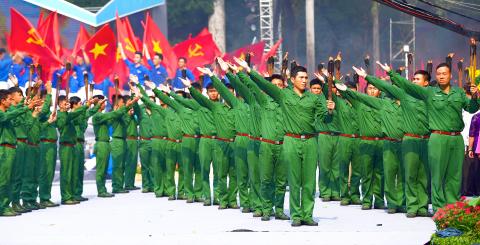
Photo: AFP
照片:法新社
Some war veterans attending the event recalled the thrill of hard-fought battle, followed by the heartache of losing fellow fighters.
The Tet Offensive is remembered with mixed emotions in Vietnam — especially among former southern soldiers who don’t agree with Hanoi’s narrative of events.
Nevertheless, officials glossed over the darker aspects of the war at Wednesday’s ceremony, remembering the campaign as a heroic sacrifice.
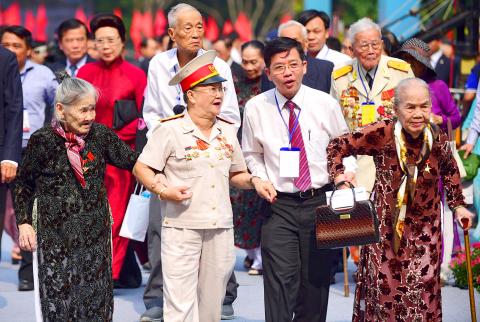
Photo: AFP
照片:法新社
Although the US and their South Vietnam allies eventually beat back their communist enemies, the offensive electrified the anti-war movement in the US and persuaded politicians to pull out years later. (AFP)
週三適逢北越共軍當年在越戰中大膽發起「新春攻勢」突襲的五十週年。越南政府為此舉辦了一場苦樂參半的紀念典禮,其中充滿愛國情操的舞蹈表演,不禁讓人回憶起那場徹底改變越戰戰局的軍事攻擊行動。
一九六八年,北越共軍突然在越南農曆年除夕發動軍事突襲,攻擊目標為南越一百多個城鎮與前哨站,其中包括順化市,以及當時稱西貢的南越首都胡志明市等。
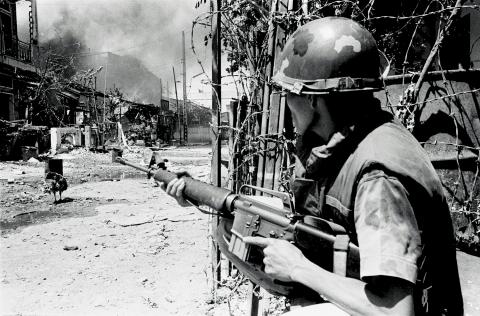
Photo: AP
照片:美聯社
週三在胡志明市舉辦的官方紀念典禮上,表演的人們或穿軍服,或扮成農民,站滿了舞台。隨後,一系列的演出接連登場:舞者手持國旗翩翩起舞,武術表演者穿著鑲金邊的紅衣褲演示拳腳功夫。
曾經親自參與戰事而今已年邁的退役軍人,在活動中回想起那場艱困戰役當時帶來的強烈緊張與刺激感,卻又因為失去同袍而心痛。
越南人懷想起「新春攻勢」時,總帶有微妙而混雜的情感──這對那些原本效忠南越的士兵們更是如此,他們並不認可河內政府對這些戰事的敘事角度。
不過,在週三的典禮上,官方悄悄地掩飾了戰爭裡那些黑暗的面向,改以英雄為國犧牲奉獻的敘事角度紀念這個軍事行動。
雖然美國與南越最終擊退了來犯的北越共軍,但這場戰事後來卻在美國國內引發一連串的反戰示威運動,並在幾年後說服美國政府從越南撤軍。
(台北時報章厚明譯)
Many consumers are guilty of filling drawers or closets with old laptops, cellphones, fitness trackers and other electronic devices once they are no longer needed. It’s hard to know where to recycle such items, or it seems costly and inconvenient to do so. The world generates millions of tons of electronic waste — also called e-waste — each year. According to the UN’s most recent estimate, people worldwide produced 62 million metric tons of e-waste in 2022, and only about 22 percent of it was properly recycled. The US’ Environmental Protection Agency estimates that less than a quarter of e-waste is
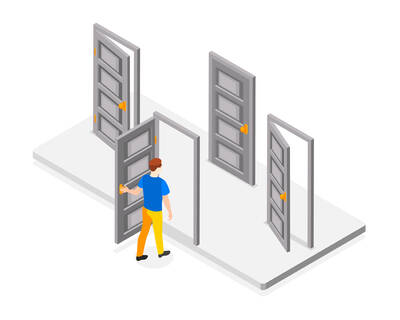
You’re sitting in class when a classmate asks to borrow a pencil. It seems like a small favor, so you agree without hesitation. The following week, the same classmate asks to share your notes. Later, they request help with a group project. You agree each time — after all, you helped out the first time — but before you know it, it has become automatic. This scenario demonstrates the “foot-in-the-door technique,” a psychological concept that shows how agreeing to small, acceptable demands makes it easier to accept larger ones later on. The name for this strategy comes from door-to-door

A: The four-day Tomb Sweeping Day long weekend begins Friday and will run until Monday. Are you going to sweep your ancestors’ tombs? B: I did in advance last weekend, so I can go to Kaohsiung to see the musical “The Phantom of the Opera.” A: Wow, is “Phantom” touring Taiwan again? It debuted in 1986, so this year marks the 40th anniversary of the show. B: And it’s not just touring Kaohsiung starting March 31, but also Taipei starting April 21 and Taichung starting May 26. A: “Phantom” is one of the world’s Four Major Musicals. I’ve seen all of them, except “Les

Dos & Don’ts — 想想看,這句話英語該怎麼說? 1. 我們很早到達電影院。 ˇ We arrived at the theater very early. χ We arrived the theater very early. 註︰arrive 為不及物動詞,後面如果有受詞要用 at 或 in。例如:They arrived in Taipei yesterday.。一般大地方,如國家、省、大城市等前面用 in,凡小地方城鎮、學校等則用 at。 2. 開車半小時以後,我們到達了海灘。 ˇ After half an hour’s drive, we got to the beach. χ After half an hour’s drive, we got the beach. 註︰come, go, get(來、去、到達)某地時,在表示地點的名詞前面應該用 to,如 go to school, go to Taipei, come to Shanghai 等。如果這些動詞後面所跟的是 here, there, home 等副詞,則不用 to。 3. 明天我會回辦公室。 ˇ I will be back in the office tomorrow. χ I will be back to office tomorrow. 註︰to be back 一語裡的 back 是副詞,不是介詞,所以後面要用 at (the market) 或 in (the office)。 假如假期結束,要回學校上課了則可說: ? Kids will be back


 RSS
RSS