


Museums in New Taipei City are now implementing cultural equality initiatives, with the Shihsanhang Museum of Archaeology opening early for autistic visitors, the Tamsui Historical Museum holding Vietnamese language tours and the New Taipei City Yingge Ceramics Museum inviting Aboriginal ceramic artists to hold an exhibition.
The Shihsanhang Museum of Archaeology’s “early morning museum” is held on the first Saturday of every month, when the museum opens its doors an hour early so that autistic visitors can enjoy a quiet environment and have a space all to themselves. Autistic visitors to the “early morning museum” will have an area where they can read uninterrupted when they are feeling low which will help to reduce feelings of anxiety.
Meanwhile, the Tamsui Historical Museum is offering tours in Vietnamese so that new immigrants can learn more about Tamsui’s natural and cultural history in their mother tongue.
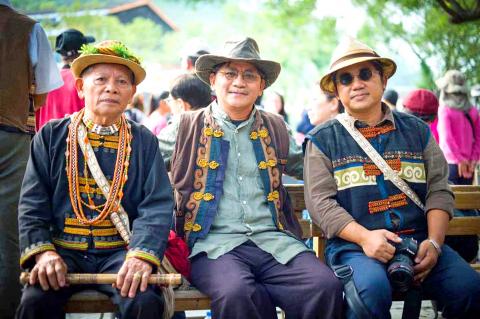
Photo courtesy of the National Culture and Arts Foundation
照片:國藝會提供
Last year, the Yingge Ceramics Museum held its first Aboriginal ceramics exhibition, showing the historical and contemporary development of Taiwanese Aboriginal ceramic culture. The Paiwan pots of Paiwan pottery artist Sakuliu Pavavalung, for example, make use of the hundred-pace snake decorative totem often seen in Paiwanese art and evocative of traditional Aboriginal art.
(CNA, translated by Paul Cooper)
新北市各博物館實踐文化平權,十三行博物館提早開館以服務自閉症遊客,淡水古蹟博物館開辦越南語行動導覽,鶯歌陶博館則邀原住民族陶藝家展覽。
十三行博物館的「早安博物館」,是於每月第一個星期六提早一小時開館,提供自閉症觀眾安靜的環境。專屬、獨立的參觀空間,可以讓參觀者在情緒低落時,能有不受干擾的空間,降低焦慮感以舒緩情緒。
淡水古蹟博物館提供遊客越南語行動導覽,讓新住民與越南遊客透過熟悉的母語,更能深入認識淡水的自然與人文。
鶯歌陶瓷博物館去年首次展舉辦原住民陶藝展,展示台灣原住民製陶文化的歷史與當代發展。排灣族藝術家撒古流.巴瓦瓦隆的排灣陶壺,運用排灣族常見的百步蛇圖騰做裝飾,生動刻劃出原住民的生活風格。
(中央社)
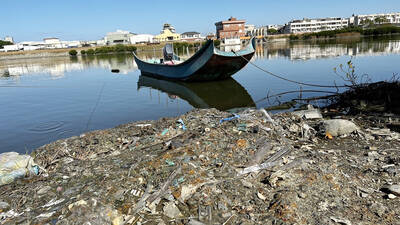
Many consumers are guilty of filling drawers or closets with old laptops, cellphones, fitness trackers and other electronic devices once they are no longer needed. It’s hard to know where to recycle such items, or it seems costly and inconvenient to do so. The world generates millions of tons of electronic waste — also called e-waste — each year. According to the UN’s most recent estimate, people worldwide produced 62 million metric tons of e-waste in 2022, and only about 22 percent of it was properly recycled. The US’ Environmental Protection Agency estimates that less than a quarter of e-waste is
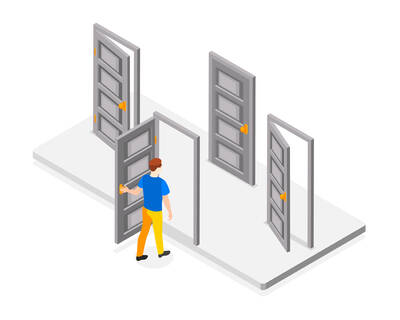
You’re sitting in class when a classmate asks to borrow a pencil. It seems like a small favor, so you agree without hesitation. The following week, the same classmate asks to share your notes. Later, they request help with a group project. You agree each time — after all, you helped out the first time — but before you know it, it has become automatic. This scenario demonstrates the “foot-in-the-door technique,” a psychological concept that shows how agreeing to small, acceptable demands makes it easier to accept larger ones later on. The name for this strategy comes from door-to-door

A: The four-day Tomb Sweeping Day long weekend begins Friday and will run until Monday. Are you going to sweep your ancestors’ tombs? B: I did in advance last weekend, so I can go to Kaohsiung to see the musical “The Phantom of the Opera.” A: Wow, is “Phantom” touring Taiwan again? It debuted in 1986, so this year marks the 40th anniversary of the show. B: And it’s not just touring Kaohsiung starting March 31, but also Taipei starting April 21 and Taichung starting May 26. A: “Phantom” is one of the world’s Four Major Musicals. I’ve seen all of them, except “Les

Dos & Don’ts — 想想看,這句話英語該怎麼說? 1. 我們很早到達電影院。 ˇ We arrived at the theater very early. χ We arrived the theater very early. 註︰arrive 為不及物動詞,後面如果有受詞要用 at 或 in。例如:They arrived in Taipei yesterday.。一般大地方,如國家、省、大城市等前面用 in,凡小地方城鎮、學校等則用 at。 2. 開車半小時以後,我們到達了海灘。 ˇ After half an hour’s drive, we got to the beach. χ After half an hour’s drive, we got the beach. 註︰come, go, get(來、去、到達)某地時,在表示地點的名詞前面應該用 to,如 go to school, go to Taipei, come to Shanghai 等。如果這些動詞後面所跟的是 here, there, home 等副詞,則不用 to。 3. 明天我會回辦公室。 ˇ I will be back in the office tomorrow. χ I will be back to office tomorrow. 註︰to be back 一語裡的 back 是副詞,不是介詞,所以後面要用 at (the market) 或 in (the office)。 假如假期結束,要回學校上課了則可說: ? Kids will be back


 RSS
RSS