


The Taipei City Animal Protection Office said on Tuesday that there have been recent cases in hilly areas of rabies, which can be contracted by both animals and humans. The office recommends that pet owners take their animals for a rabies vaccination every year, to protect the health of their pets.
In recent years there have been cases of rabies-infected ferret badgers in mountainous areas entering households and biting members of the public, especially in areas of high population density and high pet ownership, such as metropolitan Taipei and the surrounding hills. Pet owners in these areas should be even more vigilant about their pets’ health.
In order to avoid pets from coming into contact with infected wild animals and contracting disease, the office last year sent out notices about injections to prevent the contraction of rabies to each administrative area around the city to remind the public to take their pets in for rabies injections every year. In high risk areas such as Wenshan District and Beitou District, which border hilly areas around the city, the office has also organized a mobile rabies vaccine service. According to figures, 1,186 pet dogs and cats have benefitted from this service in these areas thus far.
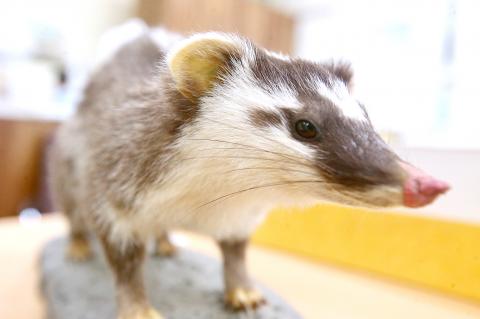
Photo: CNA
照片:中央社
(CNA, translated by Paul Cooper)
台北市動保處週二說,近期山區發生人畜共通的狂犬病,建議飼主每年帶寵物注射狂犬病疫苗,保障毛小孩健康。
近年爆發山區感染狂犬病之鼬獾入侵民宅咬傷民眾事件,尤其人口與寵物數量密集的台北市區及山區,飼主尤其更應注意家中毛小孩健康。
為避免毛小孩接觸患病野生動物而罹病,動保處去年在各行政區廣發狂犬病預防注射通知單,提醒民眾每年要帶毛小孩注射狂犬病疫苗,也在文山、北投等近山區的高風險地域,主動辦理狂犬病疫苗施打巡迴活動,經統計,有一一八六隻飼養在山區的犬貓受惠。
(中央社)
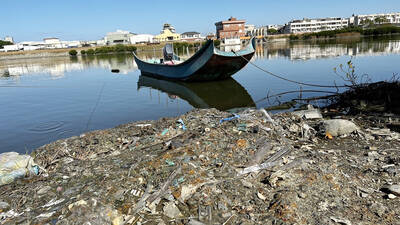
Many consumers are guilty of filling drawers or closets with old laptops, cellphones, fitness trackers and other electronic devices once they are no longer needed. It’s hard to know where to recycle such items, or it seems costly and inconvenient to do so. The world generates millions of tons of electronic waste — also called e-waste — each year. According to the UN’s most recent estimate, people worldwide produced 62 million metric tons of e-waste in 2022, and only about 22 percent of it was properly recycled. The US’ Environmental Protection Agency estimates that less than a quarter of e-waste is
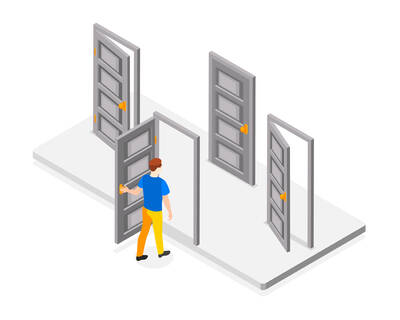
You’re sitting in class when a classmate asks to borrow a pencil. It seems like a small favor, so you agree without hesitation. The following week, the same classmate asks to share your notes. Later, they request help with a group project. You agree each time — after all, you helped out the first time — but before you know it, it has become automatic. This scenario demonstrates the “foot-in-the-door technique,” a psychological concept that shows how agreeing to small, acceptable demands makes it easier to accept larger ones later on. The name for this strategy comes from door-to-door

A: The four-day Tomb Sweeping Day long weekend begins Friday and will run until Monday. Are you going to sweep your ancestors’ tombs? B: I did in advance last weekend, so I can go to Kaohsiung to see the musical “The Phantom of the Opera.” A: Wow, is “Phantom” touring Taiwan again? It debuted in 1986, so this year marks the 40th anniversary of the show. B: And it’s not just touring Kaohsiung starting March 31, but also Taipei starting April 21 and Taichung starting May 26. A: “Phantom” is one of the world’s Four Major Musicals. I’ve seen all of them, except “Les

Dos & Don’ts — 想想看,這句話英語該怎麼說? 1. 我們很早到達電影院。 ˇ We arrived at the theater very early. χ We arrived the theater very early. 註︰arrive 為不及物動詞,後面如果有受詞要用 at 或 in。例如:They arrived in Taipei yesterday.。一般大地方,如國家、省、大城市等前面用 in,凡小地方城鎮、學校等則用 at。 2. 開車半小時以後,我們到達了海灘。 ˇ After half an hour’s drive, we got to the beach. χ After half an hour’s drive, we got the beach. 註︰come, go, get(來、去、到達)某地時,在表示地點的名詞前面應該用 to,如 go to school, go to Taipei, come to Shanghai 等。如果這些動詞後面所跟的是 here, there, home 等副詞,則不用 to。 3. 明天我會回辦公室。 ˇ I will be back in the office tomorrow. χ I will be back to office tomorrow. 註︰to be back 一語裡的 back 是副詞,不是介詞,所以後面要用 at (the market) 或 in (the office)。 假如假期結束,要回學校上課了則可說: ? Kids will be back


 RSS
RSS