


The world-renowned physicist and astronomer Stephen Hawking warned on June 20 that if humankind is to survive as a species, we will have to find a new home in the cosmos within the next 200 to 500 years.
Hawking called on the world’s leading nations to send astronauts to the moon before the year 2020 and re-ignite space exploration. He said the major nations should create a lunar base within the next 30 years, and send people to Mars before 2025.
“Spreading out into space will completely change the future of humanity. I hope it would unite competitive nations in a single goal, to face the common challenge for us all,” he added.
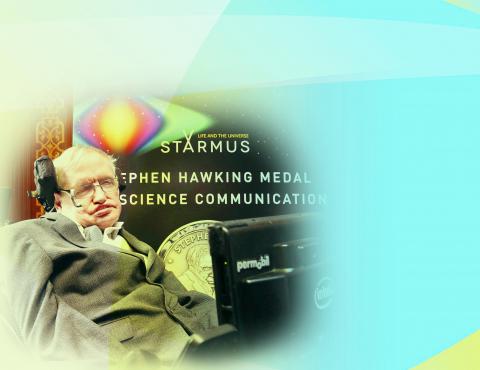
Photo: AP
照片:美聯社
Hawking also expressed hope that nuclear fusion-powered spaceships propelled by light or another energy form will guide humans to their new home.
(CNA, translated by Paul Cooper)
世界知名物理及天文學大師史蒂芬‧霍金上月二十日警告,人類若想生存下去,就必須在兩百到五百年之內,在太空找到一處新家。
霍金呼籲世界主要大國應在二○二○年前派太空人上月球,重啟太空探索。霍金表示,各大國應在三十年內打造一個月球基地,並在二○二五年之前把人送上火星。
他說:「將勢力範圍擴展至太空,將使人類的未來徹底改變,我希望這能把互相競爭的各國團結在一個目標之下,來合作面對我們全體所共同面臨的挑戰。」霍金還說,他希望以光能或其他能源形式推進的核融合太空船,能把人類帶到新家。
(中央社)
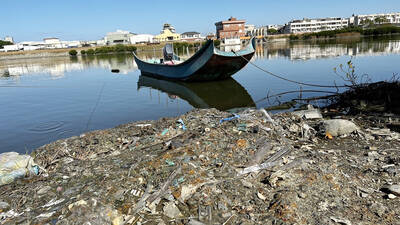
Many consumers are guilty of filling drawers or closets with old laptops, cellphones, fitness trackers and other electronic devices once they are no longer needed. It’s hard to know where to recycle such items, or it seems costly and inconvenient to do so. The world generates millions of tons of electronic waste — also called e-waste — each year. According to the UN’s most recent estimate, people worldwide produced 62 million metric tons of e-waste in 2022, and only about 22 percent of it was properly recycled. The US’ Environmental Protection Agency estimates that less than a quarter of e-waste is
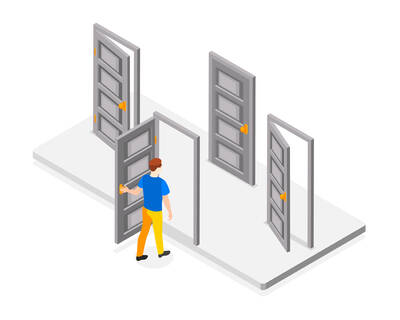
You’re sitting in class when a classmate asks to borrow a pencil. It seems like a small favor, so you agree without hesitation. The following week, the same classmate asks to share your notes. Later, they request help with a group project. You agree each time — after all, you helped out the first time — but before you know it, it has become automatic. This scenario demonstrates the “foot-in-the-door technique,” a psychological concept that shows how agreeing to small, acceptable demands makes it easier to accept larger ones later on. The name for this strategy comes from door-to-door

A: The four-day Tomb Sweeping Day long weekend begins Friday and will run until Monday. Are you going to sweep your ancestors’ tombs? B: I did in advance last weekend, so I can go to Kaohsiung to see the musical “The Phantom of the Opera.” A: Wow, is “Phantom” touring Taiwan again? It debuted in 1986, so this year marks the 40th anniversary of the show. B: And it’s not just touring Kaohsiung starting March 31, but also Taipei starting April 21 and Taichung starting May 26. A: “Phantom” is one of the world’s Four Major Musicals. I’ve seen all of them, except “Les
Dos & Don’ts — 想想看,這句話英語該怎麼說? 1. 我們很早到達電影院。 ˇ We arrived at the theater very early. χ We arrived the theater very early. 註︰arrive 為不及物動詞,後面如果有受詞要用 at 或 in。例如:They arrived in Taipei yesterday.。一般大地方,如國家、省、大城市等前面用 in,凡小地方城鎮、學校等則用 at。 2. 開車半小時以後,我們到達了海灘。 ˇ After half an hour’s drive, we got to the beach. χ After half an hour’s drive, we got the beach. 註︰come, go, get(來、去、到達)某地時,在表示地點的名詞前面應該用 to,如 go to school, go to Taipei, come to Shanghai 等。如果這些動詞後面所跟的是 here, there, home 等副詞,則不用 to。 3. 明天我會回辦公室。 ˇ I will be back in the office tomorrow. χ I will be back to office tomorrow. 註︰to be back 一語裡的 back 是副詞,不是介詞,所以後面要用 at (the market) 或 in (the office)。 假如假期結束,要回學校上課了則可說: ? Kids will be back


 RSS
RSS