


Chinese practice
錦上添花
(jin3 shang4 tian1 hua1)
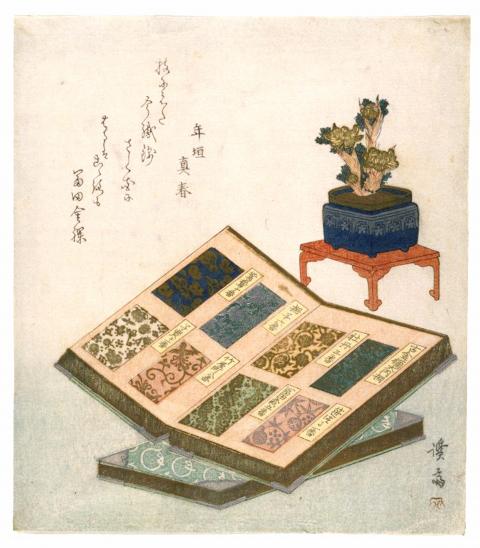
Photo: Wikimedia Commons
圖片:維基共享資源
adding flowers to brocade
蛋糕是早在新石器時代即已出現的甜點。糖霜(icing)的英文亦可寫作frosting,是覆蓋在蛋糕表面的一層糖,讓蛋糕更增甜味。換句話說,糖霜不是必需品,但有它更好,會讓味覺經驗更加美好。
糖霜早在數百年前便已開始使用。目前所知糖霜配方第一次出版是在一七六九年伊麗莎白‧拉菲德所著的《有經驗的英國女管家》一書。但是,在一九五○年代才開始把「icing on the cake」用來表示在已有的事物上再加上討喜的東西、表示額外的好處,或指無足輕重的改善。
「Icing on the cake」常用來表達的意思有好有壞:它可用作正面的形容,表示好上加好,在已經很好的事物上再加上美好的事物;或是負面的、通常有挖苦的意思,表示屋漏偏逢連夜雨,讓已經很不幸的情況更加惡化。
中文裡有個類似的成語「錦上添花」,其字面上的意義是在錦緞上繡入更多花。錦緞是以五顏六色花卉圖案裝飾的織品,在此之上添入更多花,引申為讓事物更加動人或美好之意。此句早在宋朝時已出現,書法家黃庭堅曾在其〈了了菴頌〉一詩中曾用過。「錦上添花」多半是用作正面的形容,很少是用作諷刺。
(台北時報編譯林俐凱譯)
隔壁小陳國考考了狀元又升了官,真是錦上添花、喜上加喜。
(Mr Chen next door just got first place in the civil service examinations.
The icing on cake is that he has also been promoted.)
我們已經夠幸運了,並不需要錦上添花。應該把獎品送給窮人,因為雪中送炭才是真正可貴的。
(We’re already very fortunate. We don’t want for anything. We should give the prizes to the poor, that is what is important.)
英文練習
the icing on the cake
A cake is a form of sweet dessert. It has a history stretching all the way back to the Neolithic. Icing, also known as frosting, is the sugary confection coating a cake to add an extra bit of sweet indulgence. In other words, it is not necessary, but certainly nice to have, and in fact enhances the experience.
Icing started to be used centuries ago. The first known published recipe for icing, however, appeared in Elizabeth Raffeld’s 1769 book “The Experienced English Housekeeper.” The first known application of the term “icing on the cake” — meaning a pleasant addition to something you already have, an additional benefit, or a largely unessential enhancement — dates back to the 1950s.
In common usage, the phrase cuts both ways: it could be used in a positive sense, to suggest something pleasant enhancing an already good thing, or in a negative sense, often said sarcastically, to mean a negative experience exacerbating an already unfortunate situation.
In Chinese, there is a similar idiom, 「錦上添花」, literally “to add flowers to brocade.” Brocade is a woven fabric decorated with colorful floral motifs. To add flowers to this already decorous pattern makes an already beautiful object all the more resplendent. It was used at least as early as the Song dynasty, when the calligrapher Huang Tingjian used it in his poem liao liao an song. The idiom 「錦上添花」 is generally used in a positive way, and very rarely in a sarcastic manner.
(Paul Cooper, Taipei Times)
I’ve just split up with my girlfriend. The icing on the cake is that she took the dog, too.
( 我跟女朋友剛分手,更糟的是,她也把狗帶走了。)
We’re going for a two week trip to Bali Island, and the icing on the cake is that we’ve been bumped up to first class.
(我們要到峇里島去玩兩週,錦上添花的是,我們還被升級到頭等艙。)

★ Bilingual Story is a fictionalized account. 雙語故事部分內容純屬虛構。 The mango looked perfect. It sat on the fruit stand like a small sunset, red on one side and gold on the other. “I’ll take this one,” said Daniel. The fruit seller shook her head. “Not that one.” Daniel was surprised. “Why not? It looks beautiful.” “Yes,” she said, “but beautiful is not always ready.” She picked up another mango and held it near his nose. “First, smell here.” Daniel smelled the top of the mango. It was sweet and warm. “Good mangoes have a smell,” she said. “Next, feel the weight.”

In 2023, an 80-year-old woman in Taipei suffocated her paralyzed son after over five decades of caring for him. Turning herself in immediately, she confessed that worsening health and anxiety about who would care for him after her death had driven her to act. The court, acknowledging her difficult situation, sentenced her to two-and-a-half years in prison while recommending a presidential pardon. This rare judicial recommendation drew a complicated social response. Supporters argue that the mother’s half-century of caregiving renders her deserving of compassion instead of incarceration, believing that allowing her to live her final years in dignity and
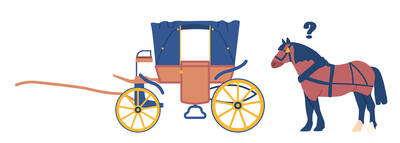
Put the Cart Before the Horse 本末倒置 Iris: I think I’m in love. Carl: What? Iris: We just have so much in common. We like all of the same things. Carl: Yes, but you’ve only chatted with him online. Iris: It doesn’t matter. I know we’ll end up getting married. Carl: I’m afraid you’re putting the cart before the horse. You should at least meet him first. Iris: OK, OK. I’ll do that. 艾瑞絲: 我想我戀愛了。 卡 爾: 什麼? 艾瑞絲: 我們就是有那麼多的共通點。我們喜歡的東西都一樣。 卡 爾: 是沒錯,不過妳和他只在網路上聊過天而已。 艾瑞絲: 那不重要。我知道我們最後一定會步入禮堂。 卡 爾: 妳恐怕是本末倒置了吧。妳至少應該先跟他見個面。 艾瑞絲: 好啦,好啦。我會的啦。 A tough cookie 強悍的人∕堅強的人 Tracy: I heard you went out with Iris last night. Justin: Yeah. We

1. 他非常討厭偽君子。 ˇ He has a deep hatred for hypocrites. χ He has a deep hatred to hypocrites. 註︰表示「對某人懷著愛、恨」等, 常用 have a love for/of, have a hatred for/of。 例如: We have a love for/of science. The working people have a hatred for/of all forms of exploitation. 2. 問題的答案其實不難找。 ˇ The answer to this question is not difficult to find. χ The answer of this question is not difficult to find. 註︰中文中的「的」在英語中不一定都用 of 來表示,有時須用 to。其他的例子如下: 我把房間的鑰匙弄丟了。 I lost the key to the room. 中間矗立著烈士紀念碑。 In the center stands the monument to the martyrs. 這部電影的續集你看過沒有? Have you seen the sequel to the movie? 3. 比起那家餐廳,他更喜歡這家。 ˇ He prefers this restaurant to that one. ˇ He likes


 RSS
RSS