


T aipei Zoo last month successfully hatched five radiated tortoises. The hatchlings are in good health and often seen crawling around energetically in their nest.
According to the zoo’s spokesperson Tsao Hsien-shao, the skin of a newly hatched radiated tortoise will be tinged with pink and typically turns yellowish after a month. Tsao says that the zoo will keep the hatchlings in their hatching nest, where temperature and humidity are controlled, and move them to a different nest after they have grown to a more stable size.
The radiated tortoises have become critically endangered due to loss of habitats, poaching and smuggling. The species. which is native to southern Madagascar, has a mild temperament and can grow up to a carapace length of 41cm and weigh up to 10kg.
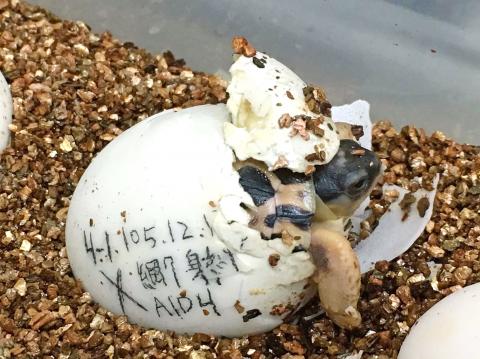
Photo courtesy of Taipei Zoo
照片:台北市立動物園提供
During their breeding season, zoo keepers will regularly inspect the tortoises and loosen the soil in their enclosure, helping the female tortoises excavate holes for their eggs and ensure that the zoo can find their eggs soon after they are laid and move them to a controlled environment for artificial incubation. According to Tsao, female radiated tortoises lay an average of 8 to 10 eggs, which usually take about three months to hatch.
(CNA, translated by Tu Yu-an)
台北市立動物園上月成功孵化五隻射紋陸龜,剛孵化的幼龜寶寶相當健康,且活動力旺盛,在巢箱內爬來爬去。
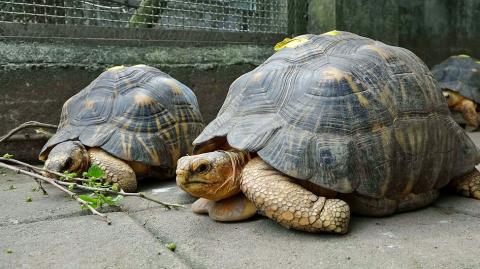
Photo courtesy of Taipei Zoo
照片:台北市立動物園提供
動物園發言人曹先紹說,剛破殼的寶寶膚色較粉嫩,經過一個月後才會轉黃色,剛孵化時會待在孵化器持續保溫、保濕,直到成長狀況穩定,才會移到另一個巢箱。
射紋陸龜因面臨棲地破壞及盜獵走私,已被列為極度瀕危物種。該陸龜原產於馬達加斯加南部,個性溫和,背甲可長至四十一公分,而體重可達十公斤。
每到繁殖季,保育員會巡視、翻動活動場的土壤,讓雌龜可以輕鬆的挖洞產蛋,也及時把蛋挖出來進行人工孵化,曹先紹說,通常雌龜平均可產八至十顆蛋,孵化時間約三個月。
(中央社)
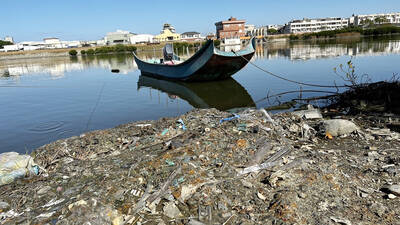
Many consumers are guilty of filling drawers or closets with old laptops, cellphones, fitness trackers and other electronic devices once they are no longer needed. It’s hard to know where to recycle such items, or it seems costly and inconvenient to do so. The world generates millions of tons of electronic waste — also called e-waste — each year. According to the UN’s most recent estimate, people worldwide produced 62 million metric tons of e-waste in 2022, and only about 22 percent of it was properly recycled. The US’ Environmental Protection Agency estimates that less than a quarter of e-waste is
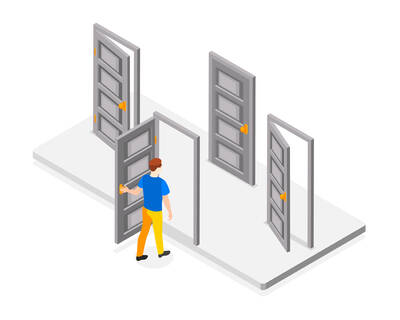
You’re sitting in class when a classmate asks to borrow a pencil. It seems like a small favor, so you agree without hesitation. The following week, the same classmate asks to share your notes. Later, they request help with a group project. You agree each time — after all, you helped out the first time — but before you know it, it has become automatic. This scenario demonstrates the “foot-in-the-door technique,” a psychological concept that shows how agreeing to small, acceptable demands makes it easier to accept larger ones later on. The name for this strategy comes from door-to-door

A: The four-day Tomb Sweeping Day long weekend begins Friday and will run until Monday. Are you going to sweep your ancestors’ tombs? B: I did in advance last weekend, so I can go to Kaohsiung to see the musical “The Phantom of the Opera.” A: Wow, is “Phantom” touring Taiwan again? It debuted in 1986, so this year marks the 40th anniversary of the show. B: And it’s not just touring Kaohsiung starting March 31, but also Taipei starting April 21 and Taichung starting May 26. A: “Phantom” is one of the world’s Four Major Musicals. I’ve seen all of them, except “Les

Dos & Don’ts — 想想看,這句話英語該怎麼說? 1. 我們很早到達電影院。 ˇ We arrived at the theater very early. χ We arrived the theater very early. 註︰arrive 為不及物動詞,後面如果有受詞要用 at 或 in。例如:They arrived in Taipei yesterday.。一般大地方,如國家、省、大城市等前面用 in,凡小地方城鎮、學校等則用 at。 2. 開車半小時以後,我們到達了海灘。 ˇ After half an hour’s drive, we got to the beach. χ After half an hour’s drive, we got the beach. 註︰come, go, get(來、去、到達)某地時,在表示地點的名詞前面應該用 to,如 go to school, go to Taipei, come to Shanghai 等。如果這些動詞後面所跟的是 here, there, home 等副詞,則不用 to。 3. 明天我會回辦公室。 ˇ I will be back in the office tomorrow. χ I will be back to office tomorrow. 註︰to be back 一語裡的 back 是副詞,不是介詞,所以後面要用 at (the market) 或 in (the office)。 假如假期結束,要回學校上課了則可說: ? Kids will be back


 RSS
RSS