


Hong Kong singer Sandy Lam won the final of “Singer 2017,” singing the song “Maybe Tomorrow” in the final episode of the show, broadcast live on Hunan TV last Saturday. The 51-year-old singer, backed up by pop diva Chang Hui-mei, better known as A-mei, sang a duet in perfect harmony, with their flawless chorus and high notes winning much praise from the audience.
From the Republic of Kazakhstan, 22-year-old singer Dimash Kudaibergen was the first runner-up in the singing contest. Taiwanese singers also had outstanding performances in the final show. Rock band “Lion,” led by Jam Hsiao, was the second runner-up, and singer Terry Lin won fifth place.
Hsiao said he was so nervous before the final show that he had a sensation of being unable to swallow his saliva. He explained that this was a kind of muscular symptom, adding that it would be no fun if the contest did not make him nervous.

Photo: copied by Tsai Chen-yi, Liberty Times
照片︰自由時報記者蔡琛儀翻攝
(CNA, translated by Eddy Chang)
香港歌手林憶蓮上週六以「也許明天」一曲,在湖南衛視現場直播的「歌手二○一七」節目總決賽奪冠。現年五十一歲的林憶蓮,與助唱的流行天后張惠妹(阿妹)展現絕佳默契,和聲完美並互飆高音,讓觀眾聽得大呼過癮。
來自哈薩克共和國,年僅二十二歲的歌手迪瑪希在該歌唱比賽榮獲亞軍。台灣歌手在決賽的表現也相當精采,蕭敬騰率領的搖滾樂團「獅子合唱團」奪下第三名,歌手林志炫拿下第五名。
蕭敬騰說比賽前心情很緊張,喉嚨像有口水吞不下去,他解釋這是一種肌肉的症狀,但比賽不緊張就不好玩。
(中央社)
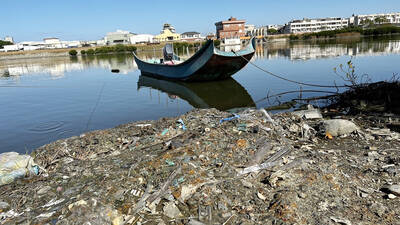
Many consumers are guilty of filling drawers or closets with old laptops, cellphones, fitness trackers and other electronic devices once they are no longer needed. It’s hard to know where to recycle such items, or it seems costly and inconvenient to do so. The world generates millions of tons of electronic waste — also called e-waste — each year. According to the UN’s most recent estimate, people worldwide produced 62 million metric tons of e-waste in 2022, and only about 22 percent of it was properly recycled. The US’ Environmental Protection Agency estimates that less than a quarter of e-waste is
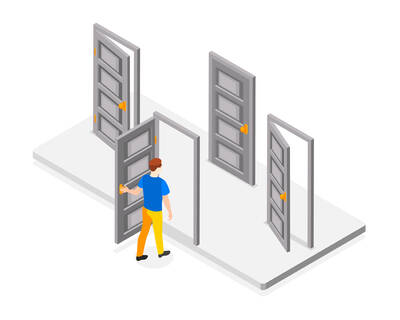
You’re sitting in class when a classmate asks to borrow a pencil. It seems like a small favor, so you agree without hesitation. The following week, the same classmate asks to share your notes. Later, they request help with a group project. You agree each time — after all, you helped out the first time — but before you know it, it has become automatic. This scenario demonstrates the “foot-in-the-door technique,” a psychological concept that shows how agreeing to small, acceptable demands makes it easier to accept larger ones later on. The name for this strategy comes from door-to-door

A: The four-day Tomb Sweeping Day long weekend begins Friday and will run until Monday. Are you going to sweep your ancestors’ tombs? B: I did in advance last weekend, so I can go to Kaohsiung to see the musical “The Phantom of the Opera.” A: Wow, is “Phantom” touring Taiwan again? It debuted in 1986, so this year marks the 40th anniversary of the show. B: And it’s not just touring Kaohsiung starting March 31, but also Taipei starting April 21 and Taichung starting May 26. A: “Phantom” is one of the world’s Four Major Musicals. I’ve seen all of them, except “Les

Dos & Don’ts — 想想看,這句話英語該怎麼說? 1. 我們很早到達電影院。 ˇ We arrived at the theater very early. χ We arrived the theater very early. 註︰arrive 為不及物動詞,後面如果有受詞要用 at 或 in。例如:They arrived in Taipei yesterday.。一般大地方,如國家、省、大城市等前面用 in,凡小地方城鎮、學校等則用 at。 2. 開車半小時以後,我們到達了海灘。 ˇ After half an hour’s drive, we got to the beach. χ After half an hour’s drive, we got the beach. 註︰come, go, get(來、去、到達)某地時,在表示地點的名詞前面應該用 to,如 go to school, go to Taipei, come to Shanghai 等。如果這些動詞後面所跟的是 here, there, home 等副詞,則不用 to。 3. 明天我會回辦公室。 ˇ I will be back in the office tomorrow. χ I will be back to office tomorrow. 註︰to be back 一語裡的 back 是副詞,不是介詞,所以後面要用 at (the market) 或 in (the office)。 假如假期結束,要回學校上課了則可說: ? Kids will be back


 RSS
RSS