


Chinese practice
功成骨枯
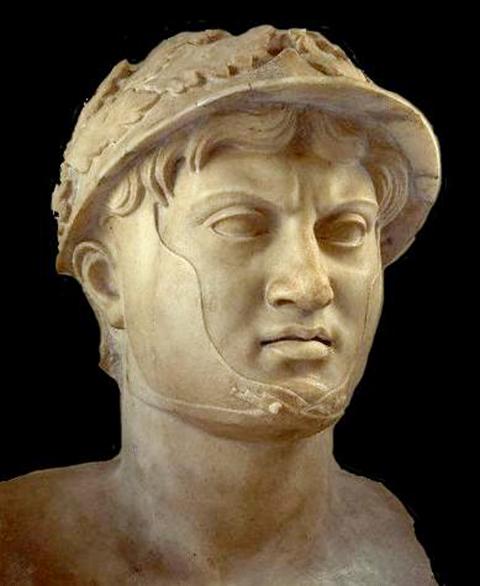
Photo: Wikimedia Commons
照片:維基共享資源
Victory comes from dried up bones
(gong1 cheng2 gu3 ku1)
根據古希臘傳記家普魯塔克記載,伊庇魯斯聯邦皮洛士國王在西元前二七九年皮洛士戰爭中,阿斯庫路姆戰役勝利後說道:「我軍若再打贏羅馬一戰,我們自己也會徹底毀滅了。」
這場戰役使皮洛士的軍隊傷亡慘重。他失去了很多屬下,包括重要將領及好友。他率軍由希臘渡海至羅馬共和國打仗,身在國外戰場,深知補充兵源之不易,而羅馬卻能源源不絕補充新兵。
一千多年之後的中國,唐代詩人曹松寫了題名為〈己亥歲〉的一首詩,最後兩行詩句是這麼寫的:
憑君莫話封侯事
一將功成萬骨枯
最末一句即為成語「功成骨枯」之由來:勝利建立於枯骨上。這是隱喻某人之所以達到個人之成功,是以犧牲無數他人作為代價。
雖然這無疑對皮洛士國王沒什麼安慰作用,但普魯塔克所描述皮洛士的悲嘆留下了一個有趣的隱喻:「Pyrrhic victory」(皮洛士式勝利),意為付出慘痛損失所獲致的勝利,讓這種勝利很難被視為成功。 (台北時報編譯林俐凱譯)
雙方為了堅持各自的意識形態而激戰,死傷慘重,千年的文明炸成廢墟,即便贏得了勝利,也是功成骨枯,沒什麼意義了。
(The two sides fought a fierce war to protect their own ideologies, with catastrophic loss of life. With these ancient civilizations destroyed in the conflagration, winning the war was a Pyrrhic victory.)
很多大企業老闆的財富是靠壓榨無數員工而來,可說是一將功成萬骨枯。
(The wealth of many business magnates was built on the backs of countless workers, relying on the blood and sweat of others.)
英文練習
Pyrrhic victory
“If we are victorious in one more battle with the Romans, we shall be utterly ruined.”
So said King Pyrrhus of Epirus — according to Plutarch — following the Battle of Asculum in 279 BC, during the Pyrrhic War.
The battle had taken a terrible toll on Pyrrhus’ army. He had lost many men, including much of the officers, among whom he counted great friends. He was in a foreign land, and knew that he would find it difficult to replenish his numbers, while the Romans had a plentiful stock of new recruits to replace their fallen.
Over 1,000 years later, in China, the Tang poet Cao Song would write a poem called jihai sui (The War Year). The last two lines of the poem were:
Talk not of the glories of awards and nobility,
A general’s victory is built upon 10,000 rotting bones.
It is from the final line that the Chinese proverb 功成骨枯 derives: victory comes from dried up bones. It is used as a metaphor for someone who achieves a personal success at the expense of the considerable sacrifice of many others.
Although it would doubtless have been of little consolation to King Pyrrhus, Plutarch’s account of his lamentation has bequeathed us an interesting metaphor: the Pyrrhic victory, defined as a success that has inflicted such devastating loss on the victor that it can hardly be considered a success at all. (Paul Cooper, Taipei Times)
Well, they won the game, but at least two players were seriously injured. I’m afraid that was a bit of a Pyrrhic victory.
(他們贏了比賽,但是至少有兩位球員受了嚴重的傷,我看這場勝利恐怕是得不償失。)
Now I know how Pyrrhus felt. I think I’ll just go home and lick my wounds, if that’s OK with you.
(我現在可以體會皮洛士國王的感覺了。如果你不介意的話,我想我還是回家自我療傷好了。)
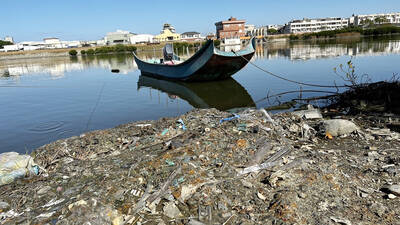
Many consumers are guilty of filling drawers or closets with old laptops, cellphones, fitness trackers and other electronic devices once they are no longer needed. It’s hard to know where to recycle such items, or it seems costly and inconvenient to do so. The world generates millions of tons of electronic waste — also called e-waste — each year. According to the UN’s most recent estimate, people worldwide produced 62 million metric tons of e-waste in 2022, and only about 22 percent of it was properly recycled. The US’ Environmental Protection Agency estimates that less than a quarter of e-waste is
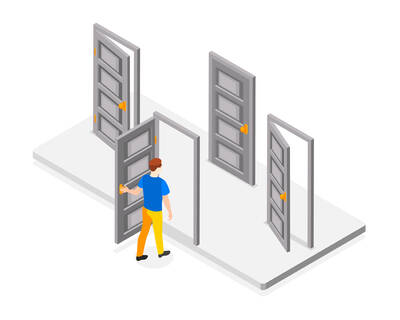
You’re sitting in class when a classmate asks to borrow a pencil. It seems like a small favor, so you agree without hesitation. The following week, the same classmate asks to share your notes. Later, they request help with a group project. You agree each time — after all, you helped out the first time — but before you know it, it has become automatic. This scenario demonstrates the “foot-in-the-door technique,” a psychological concept that shows how agreeing to small, acceptable demands makes it easier to accept larger ones later on. The name for this strategy comes from door-to-door

A: The four-day Tomb Sweeping Day long weekend begins Friday and will run until Monday. Are you going to sweep your ancestors’ tombs? B: I did in advance last weekend, so I can go to Kaohsiung to see the musical “The Phantom of the Opera.” A: Wow, is “Phantom” touring Taiwan again? It debuted in 1986, so this year marks the 40th anniversary of the show. B: And it’s not just touring Kaohsiung starting March 31, but also Taipei starting April 21 and Taichung starting May 26. A: “Phantom” is one of the world’s Four Major Musicals. I’ve seen all of them, except “Les

Dos & Don’ts — 想想看,這句話英語該怎麼說? 1. 我們很早到達電影院。 ˇ We arrived at the theater very early. χ We arrived the theater very early. 註︰arrive 為不及物動詞,後面如果有受詞要用 at 或 in。例如:They arrived in Taipei yesterday.。一般大地方,如國家、省、大城市等前面用 in,凡小地方城鎮、學校等則用 at。 2. 開車半小時以後,我們到達了海灘。 ˇ After half an hour’s drive, we got to the beach. χ After half an hour’s drive, we got the beach. 註︰come, go, get(來、去、到達)某地時,在表示地點的名詞前面應該用 to,如 go to school, go to Taipei, come to Shanghai 等。如果這些動詞後面所跟的是 here, there, home 等副詞,則不用 to。 3. 明天我會回辦公室。 ˇ I will be back in the office tomorrow. χ I will be back to office tomorrow. 註︰to be back 一語裡的 back 是副詞,不是介詞,所以後面要用 at (the market) 或 in (the office)。 假如假期結束,要回學校上課了則可說: ? Kids will be back


 RSS
RSS