


A circus in the US is under fire for bringing back animal acts a year after earning praise from animal rights groups for dropping them to keep up with changing public attitudes.
The Melha Shrine Circus, which has seven performances over four days scheduled for May in Massachusetts, brought back performing elephants, tigers and dogs because that’s what people want, circus chairman Allen Zippin said.
The circus lost money for the first time in its 63-year history in 2016. “Paid attendance was down 6,500 people last year,’’ when compared to 2015, he said. “We had people asking for refunds after finding out there were no animals.’’
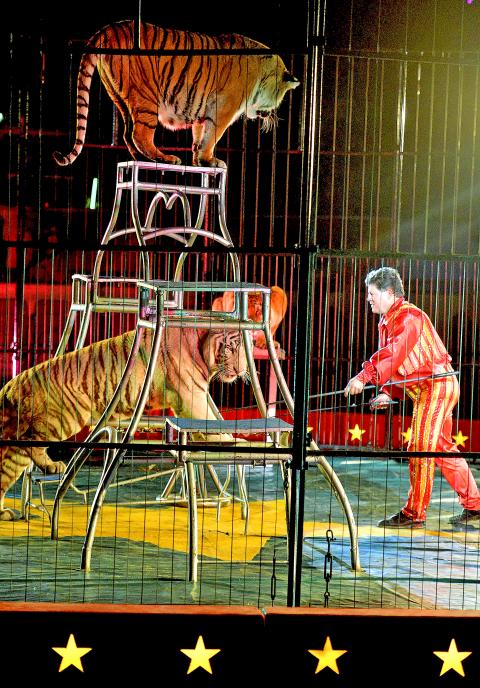
Photo: AP
照片:美聯社
Animal rights activists have been pressuring circuses to drop animal acts for years, saying the acts are cruel and inhumane.
People for the Ethical Treatment of Animals had praised the Melha Shriners last year, but the group was quick to condemn the return of animal acts. “All it does is teach kids that it’s OK to bully and subjugate,’’ said Rachel Mathews, PETA’s associate director of captive animal law enforcement.
(AP)
美國的梅哈聖壇馬戲團近期因重新推出動物表演而飽受批評。該馬戲團去年才基於大眾對於動物表演觀感不佳而終止所有動物表演,並一度贏得動保團體的讚賞。
梅哈聖壇馬戲團預定於五月連續四天在麻州進行共七場表演。馬戲團團長艾倫紀平表示,馬戲團讓大象、老虎和狗重回舞台是為了滿足觀眾的希望。
該馬戲團自六十三年前成立以來,去年第一次經歷虧損。「看前年相比,去年買票來看表演的觀眾少了六千五百人。」紀平說,「甚至有觀眾因發現表演中無動物可看而要求退票。」
近年來,許多動保人士指出動物表演的殘忍,並積極要求馬戲團終止動物表演。
去年才讚揚梅哈聖壇馬戲團終止動物表演的善待動物組織,也立即譴責該馬戲團讓動物重返舞台。在該組織負責豢養動物相關執法的主管瑞秋馬修說:「這些表演只會讓孩童以為欺侮和征服是對的事。」
(台北時報編譯涂宇安譯)

Many consumers are guilty of filling drawers or closets with old laptops, cellphones, fitness trackers and other electronic devices once they are no longer needed. It’s hard to know where to recycle such items, or it seems costly and inconvenient to do so. The world generates millions of tons of electronic waste — also called e-waste — each year. According to the UN’s most recent estimate, people worldwide produced 62 million metric tons of e-waste in 2022, and only about 22 percent of it was properly recycled. The US’ Environmental Protection Agency estimates that less than a quarter of e-waste is
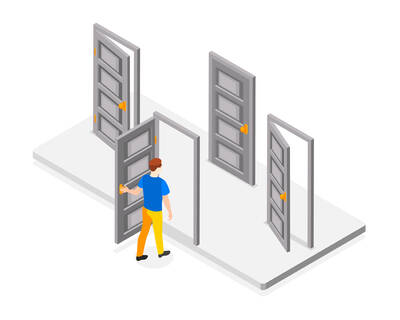
You’re sitting in class when a classmate asks to borrow a pencil. It seems like a small favor, so you agree without hesitation. The following week, the same classmate asks to share your notes. Later, they request help with a group project. You agree each time — after all, you helped out the first time — but before you know it, it has become automatic. This scenario demonstrates the “foot-in-the-door technique,” a psychological concept that shows how agreeing to small, acceptable demands makes it easier to accept larger ones later on. The name for this strategy comes from door-to-door

A: The four-day Tomb Sweeping Day long weekend begins Friday and will run until Monday. Are you going to sweep your ancestors’ tombs? B: I did in advance last weekend, so I can go to Kaohsiung to see the musical “The Phantom of the Opera.” A: Wow, is “Phantom” touring Taiwan again? It debuted in 1986, so this year marks the 40th anniversary of the show. B: And it’s not just touring Kaohsiung starting March 31, but also Taipei starting April 21 and Taichung starting May 26. A: “Phantom” is one of the world’s Four Major Musicals. I’ve seen all of them, except “Les

Dos & Don’ts — 想想看,這句話英語該怎麼說? 1. 我們很早到達電影院。 ˇ We arrived at the theater very early. χ We arrived the theater very early. 註︰arrive 為不及物動詞,後面如果有受詞要用 at 或 in。例如:They arrived in Taipei yesterday.。一般大地方,如國家、省、大城市等前面用 in,凡小地方城鎮、學校等則用 at。 2. 開車半小時以後,我們到達了海灘。 ˇ After half an hour’s drive, we got to the beach. χ After half an hour’s drive, we got the beach. 註︰come, go, get(來、去、到達)某地時,在表示地點的名詞前面應該用 to,如 go to school, go to Taipei, come to Shanghai 等。如果這些動詞後面所跟的是 here, there, home 等副詞,則不用 to。 3. 明天我會回辦公室。 ˇ I will be back in the office tomorrow. χ I will be back to office tomorrow. 註︰to be back 一語裡的 back 是副詞,不是介詞,所以後面要用 at (the market) 或 in (the office)。 假如假期結束,要回學校上課了則可說: ? Kids will be back


 RSS
RSS