


Playing in the Taiwan Open women’s singles final on Sunday, Ukraine’s top seed Elina Svitolina — still nursing the flu — battled on to defeat 31-year-old Peng Shuai of China 6:3, 6:2.
Svitolina, currently ranked 13th in the world in woman’s tennis, had been feeling under the weather all week, but put up a good fight on the day, battling through adversity to victory. Firing on all cylinders, she broke serve six times over the course of two sets, securing a comfortable victory in only 68 minutes.
With the crowd behind her, Svitolina, despite having her serve broken in the first game, managed to break serve in the next, and again in the seventh and ninth games, giving her victory in the first set.
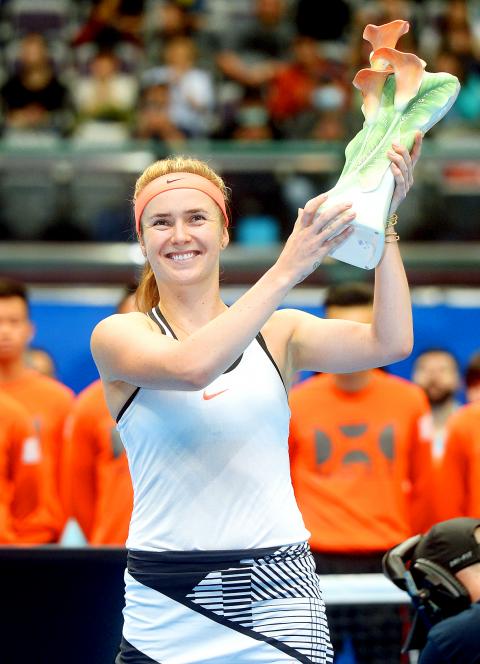
Photo: Lin Cheng-kung, Liberty Times
照片:自由時報記者林正攝
The second set was more of the same, with Peng breaking serve in the first game, only to be broken by Svitolina, quickly bringing the score to 4:1. Peng found herself with her back against the wall in the eighth game, with Svitolina clinching the set on her third championship point and winning the fifth WTA women’s single title of her professional career.
(Liberty Times, translated by Paul Cooper)
台灣女網單打決戰,週日烏克蘭頭號種子絲薇托莉娜抱病出擊,六:三、六:二強壓中國三十一歲老將彭帥。
目前世界女單排名十三的絲薇托莉娜,其實本週因流感身體不適,但堅持奮戰到底,還一路過關斬將。絲薇托莉娜火力全開,兩盤六度破發壓制下,只花六十八分鐘輕鬆贏球。
絲薇托莉娜在台人氣極旺,儘管決賽第一個發球局就被破發,現場觀眾加油助威下,隨即回破咬上,第七、九局連續再破,首盤率先到手。
次盤戰況雷同,彭帥破發開局,又被絲薇托莉娜回破,差距很快形成四:一,第八局彭帥無路可退發球局中,絲薇托莉娜第三個冠軍點順勢拿下,笑捧職業生涯第五座WTA女單金盃。
(自由時報)
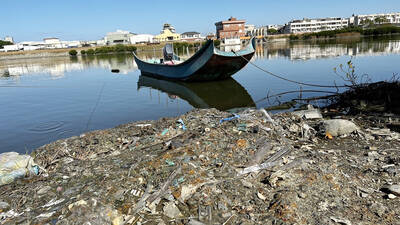
Many consumers are guilty of filling drawers or closets with old laptops, cellphones, fitness trackers and other electronic devices once they are no longer needed. It’s hard to know where to recycle such items, or it seems costly and inconvenient to do so. The world generates millions of tons of electronic waste — also called e-waste — each year. According to the UN’s most recent estimate, people worldwide produced 62 million metric tons of e-waste in 2022, and only about 22 percent of it was properly recycled. The US’ Environmental Protection Agency estimates that less than a quarter of e-waste is

You’re sitting in class when a classmate asks to borrow a pencil. It seems like a small favor, so you agree without hesitation. The following week, the same classmate asks to share your notes. Later, they request help with a group project. You agree each time — after all, you helped out the first time — but before you know it, it has become automatic. This scenario demonstrates the “foot-in-the-door technique,” a psychological concept that shows how agreeing to small, acceptable demands makes it easier to accept larger ones later on. The name for this strategy comes from door-to-door

A: The four-day Tomb Sweeping Day long weekend begins Friday and will run until Monday. Are you going to sweep your ancestors’ tombs? B: I did in advance last weekend, so I can go to Kaohsiung to see the musical “The Phantom of the Opera.” A: Wow, is “Phantom” touring Taiwan again? It debuted in 1986, so this year marks the 40th anniversary of the show. B: And it’s not just touring Kaohsiung starting March 31, but also Taipei starting April 21 and Taichung starting May 26. A: “Phantom” is one of the world’s Four Major Musicals. I’ve seen all of them, except “Les

Continued from yesterday(延續自昨日) https://www.taipeitimes.com/News/lang Gig Tripping “Gig tripping” combines concerts with travel. People fly to see their favorite artists perform — usually abroad—and spend a few days sightseeing before or after the show. While die-hard fans have done this since the 1960s, the post-pandemic travel boom changed the game. Even people who aren’t superfans are now booking international concert trips because they want to make the most of travel opportunities. This trend exploded in the US, as the math makes sense. Domestic concert tickets are so costly that flying abroad for the show plus tourism expenses often matches or even beats the price


 RSS
RSS