


When it was first constructed, in the 1850s, in the Dadaocheng area in Taipei, Dihua Street was known as Center Street, presumably because of its central location within that part of town. The origin of some sections of the street stretch back further, to the time of Dutch rule, so it can lay claim to being one of the oldest streets in Taipei. The architecture is also the subject of conservation initiatives by the city government.
During the 19th century, the street established itself as a major commercial center, selling Taiwanese products and Chinese medicinal herbs, incense, fabrics, and the processing of Taiwanese tea. The name was changed to Dihua Street in 1947 when the Chinese Nationalist Party (KMT) started replacing local names with those of places in China. It was considered an appropriate reference, as the Dihua in China was an important regional commercial and financial center in the northwestern province of Xinjiang, built between 1763 and 1767 during the Qianlong reign of the Qing dynasty. The name survives in Taipei’s Dihua Street, even though its Chinese namesake is now part of a city renamed Urumqi.
Relatively quiet for most of the year, the street becomes a hive of activity in the run up to the lunar new year period, when thousands of Taipei-ites descend to buy snacks and necessities for the new year festivities.
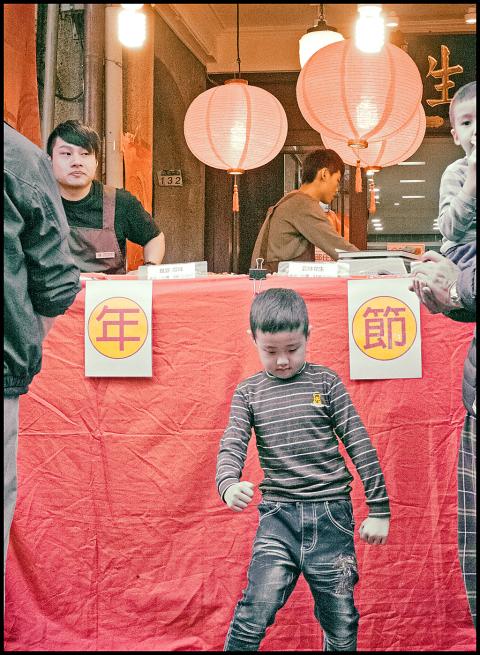
Photo: Paul Cooper, Taipei Times
照片:台北時報記者古德謙攝
(Paul Cooper, Taipei Times)
位於台北大稻埕的迪化街在一八五○年代剛建置時,原本叫做中街,或許是因為它位處於城區中央。迪化街其中有幾段的起源更早,可以追溯至荷治時期,所以迪化街可說是台北最早的街道之一。迪化街上的建築也是政府修復保存工作的重要目標。
十九世紀時,這條街是重要的商業中心,販售台灣本地的產品以及中藥、線香、布料、茶葉等。這條街在一九四七年改名為迪化街,因為國民黨政府開始將台灣的街道以中國的地名來命名。命名為迪化街是頗合適的類比,因為位於中國西北新疆省的迪化是重要的區域商業金融中心,該城在一七六三至一七六七年設置,時值清朝乾隆年間。中國的迪化市後來改名為烏魯木齊市,但是迪化這個名稱倒是在台灣留了下來。
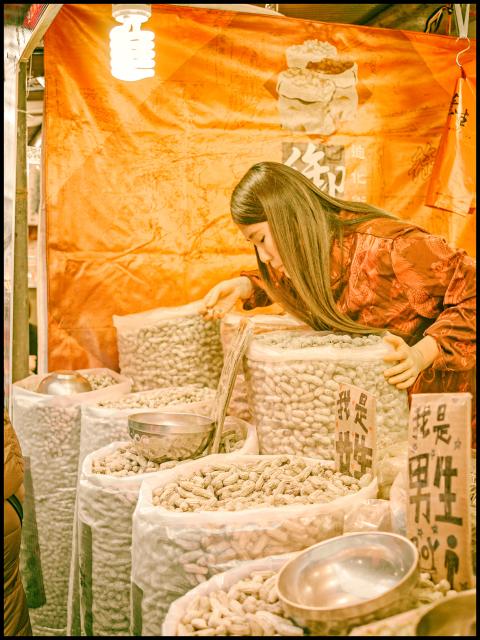
Photo: Paul Cooper, Taipei Times
照片:台北時報記者古德謙攝
相較於平時的冷清,迪化街在春節期間有大量人潮湧入,採買準備過年的零食與年貨。
(台北時報編譯林俐凱譯)
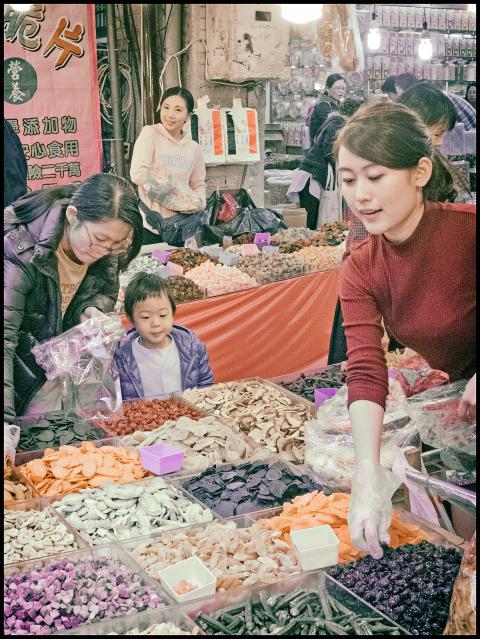
Photo: Paul Cooper, Taipei Times
照片:台北時報記者古德謙攝

Many of us face common health challenges: tired eyes from long screen use, the search for anti-aging support and the need for weight control without resorting to restrictive diets. While no single food is a miracle cure, berries offer targeted, evidence-based nutritional support that’s easy and delicious to add to your daily routine. For overall immunity and healthy skin, vitamin C is essential. Strawberries provide roughly 10 percent more vitamin C than oranges, while blackcurrants deliver three to four times as much. These tasty fruits also contain abundant polyphenols, which help the body manage oxidative stress, support overall

A: Why didn’t you come to work earlier this week? Did you go anywhere for fun? B: I went to Thailand with friends to celebrate the 2026 Water Festival, also known as the Songkran Festival. The three-day annual celebrations ran from April 13 to 15. Everyone was having water fights in the streets. A: I know that “Songkran” is the traditional New Year in Southeast Asia, usually celebrated in mid-April. B: And we also attended the 2026 Siam Songkran Music Festival this time. The EDM shows by Martin Garrix — who has been crowned the World’s No. 1 DJ by “DJ
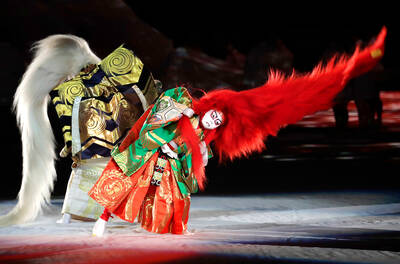
Handing down a name over generations is a central part of the Japanese traditional theater art of Kabuki, and that ceremony gets celebrated at theaters and special events every few years. Now, the ritual is taking place with the eighth Kikugoro, who is having that honor passed down from his 83-year-old father, the seventh Kikugoro, who in turn got that name from his father. “Taking on the name is about taking on the spirit and responsibility that’s created and getting passed down over generations by those who came before us,” the younger Kikugoro, Kazuyasu Terajima, told reporters recently. Another famous family name in

1. 明天她將談法國環境保護的情形。 ˇ Tomorrow she will speak on environmental protection in France. χ Tomorrow she will speak environmental protection in France. 註︰speak 作「談論」解時,是不及物動詞,按照不同的意義,後面接 on, of 或 about。一般說 to speak on a subject ( / a point); to speak of / about a person or thing; to speak to / with a person。 在下列句中,speak 當及物動詞用: His father can speak English, French and German. He is speaking the truth.(他說的是真話。) 2. 我們不應瞧不起經濟弱勢者。 ˇ We should not look down on/upon those who are financially weak. χ We should not look down those who are financially weak. 註︰look down on 是慣用語,用 on 或 upon 均可,但決不可省去。 3. 請不要打擾我工作。 ˇ Don’t interfere with my work. χ Don’t


 RSS
RSS