


On the evening of July 23 a big fire broke out in a warehouse rented by Zimi Chemicals on Cingtian Road in Taoyuan’s Sinwu District, causing an explosion. The firefighters did not originally know that sodium dithionite and other dangerous industrial chemicals were stored in the warehouse, and they got a fright when they found out. Taoyuan Fire Department Director-General Hu Ying-da slammed the owners for not installing signs to inform firefighters that dangerous substances were stored there, and he said they would have to pay a heavy fine in accordance with the law.
When firefighters responding to a report arrived on the scene at 9.14 in the evening, they found no sign outside the burning warehouse indicating that dangerous industrial chemicals were stored there. They only found this out when a worker rushed out to escape and told them that sodium dithionite was kept in the warehouse along with 70 30-liter barrels of hydrogen peroxide, potassium nitrate and other dangerous industrial chemicals. This got the firefighters very worried, and as they sprayed water on the fire they kept reminding each other to beware of explosions.
At about 9.40, a small fire engine that was parked less than three meters away from the main door of the warehouse was engulfed by a fireball and fierce flames following an explosion. The fire engine was half destroyed by fire, but luckily there was no one in it. Using an infrared thermometer, firefighters detected that the heat of the fire was about 800 degrees Celsius, so the company commander radioed his men to pull out.
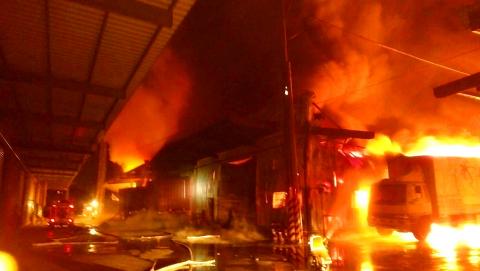
Photo: Lee Jung-ping, Liberty Times, from a fire department photo
照片:自由時報記者李容萍
The fire department says that sodium dithionite is widely used in the textiles industry for purposes such as vat dying and bleaching. It can autoignite at 250 degrees. When it comes into contact with water there is a chemical reaction and it burns, and as it does so it can easily release harmful gases.
(Liberty Times, translated by Julian Clegg)
桃園市新屋區青田路的協明化工外租倉庫,七月二十三日晚上大火並引發爆炸,原本消防人員不知倉庫內存放「連二亞硫酸鈉」等化工類危險物品,得知時嚇了一跳。桃園市政府消防局長胡英達怒批,業者未註明存放危險物質,表示會依法重罰。
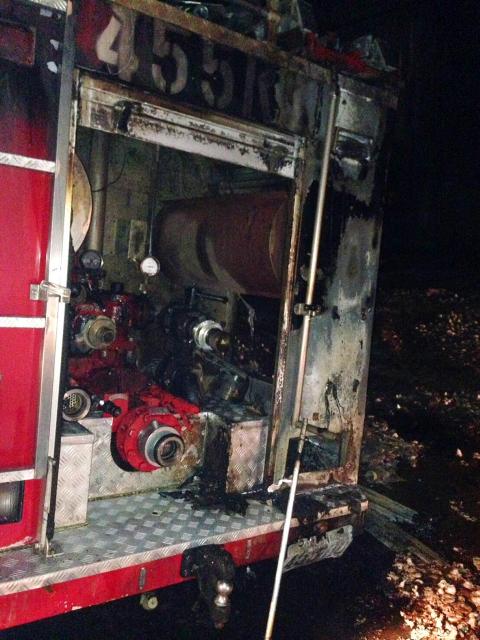
Photo: Lee Jung-ping, Liberty Times, from a fire department photo.
照片:自由時報記者李容萍
消防局晚上九點十四分獲報到場,發現起火的倉庫外並未標示存放化工類危險物品,一名員工衝出逃生,才說裡頭存放「連二亞硫酸鈉」、七十桶三十公升裝的雙氧水、硝酸鉀等化工類的危險物品,讓消防人員捏把冷汗,一邊射水救災,也相互提醒小心爆炸。
約九點四十分,一輛小型消防車停在離倉庫正門不到三公尺處,被爆炸後的火球烈焰吞噬、燒得半毀,幸好車上沒人;消防人員以紅外線熱像儀測出,火場高溫約攝氏八百度,帶隊指揮官透過無線電喊撤退。
消防局指出,「連二亞硫酸鈉」廣泛用於紡織工業的還原性染色、漂白等用途,在高溫二百五十度就能自燃,遇水會發生化學反應並燃燒,燃燒過程中易釋放有害氣體。
(自由時報記者李容萍)
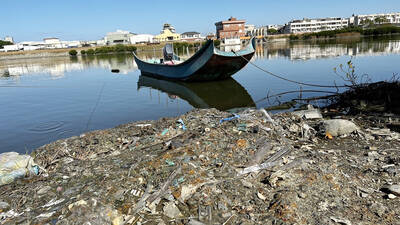
Many consumers are guilty of filling drawers or closets with old laptops, cellphones, fitness trackers and other electronic devices once they are no longer needed. It’s hard to know where to recycle such items, or it seems costly and inconvenient to do so. The world generates millions of tons of electronic waste — also called e-waste — each year. According to the UN’s most recent estimate, people worldwide produced 62 million metric tons of e-waste in 2022, and only about 22 percent of it was properly recycled. The US’ Environmental Protection Agency estimates that less than a quarter of e-waste is
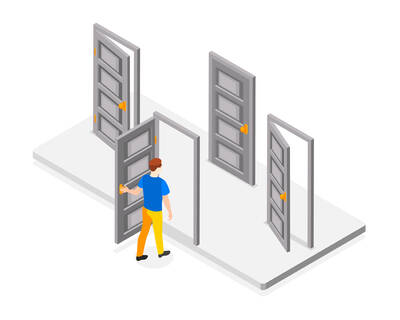
You’re sitting in class when a classmate asks to borrow a pencil. It seems like a small favor, so you agree without hesitation. The following week, the same classmate asks to share your notes. Later, they request help with a group project. You agree each time — after all, you helped out the first time — but before you know it, it has become automatic. This scenario demonstrates the “foot-in-the-door technique,” a psychological concept that shows how agreeing to small, acceptable demands makes it easier to accept larger ones later on. The name for this strategy comes from door-to-door

A: The four-day Tomb Sweeping Day long weekend begins Friday and will run until Monday. Are you going to sweep your ancestors’ tombs? B: I did in advance last weekend, so I can go to Kaohsiung to see the musical “The Phantom of the Opera.” A: Wow, is “Phantom” touring Taiwan again? It debuted in 1986, so this year marks the 40th anniversary of the show. B: And it’s not just touring Kaohsiung starting March 31, but also Taipei starting April 21 and Taichung starting May 26. A: “Phantom” is one of the world’s Four Major Musicals. I’ve seen all of them, except “Les

Dos & Don’ts — 想想看,這句話英語該怎麼說? 1. 我們很早到達電影院。 ˇ We arrived at the theater very early. χ We arrived the theater very early. 註︰arrive 為不及物動詞,後面如果有受詞要用 at 或 in。例如:They arrived in Taipei yesterday.。一般大地方,如國家、省、大城市等前面用 in,凡小地方城鎮、學校等則用 at。 2. 開車半小時以後,我們到達了海灘。 ˇ After half an hour’s drive, we got to the beach. χ After half an hour’s drive, we got the beach. 註︰come, go, get(來、去、到達)某地時,在表示地點的名詞前面應該用 to,如 go to school, go to Taipei, come to Shanghai 等。如果這些動詞後面所跟的是 here, there, home 等副詞,則不用 to。 3. 明天我會回辦公室。 ˇ I will be back in the office tomorrow. χ I will be back to office tomorrow. 註︰to be back 一語裡的 back 是副詞,不是介詞,所以後面要用 at (the market) 或 in (the office)。 假如假期結束,要回學校上課了則可說: ? Kids will be back


 RSS
RSS