


Walls and fences around construction sites become canvases as the streets of Tainan are turned into an art gallery. As the Pow! Wow! international art festival visited Tainan for the first time, 10 domestic and international graffiti artists gathered to work on the top floor of the Tainan Cultural and Creative Park and the wall behind the building, the ventilation tower platform at Haian Rd., the wall behind the Lanshaitu Creative and Cultural Park and the fence around the designated site for the Museum of Fine Arts. The graffiti art in many different styles stunned Tainan.
The first Pow! Wow! art festival took place in Hawaii five years ago. Once a year, it brings together famous international graffiti artists to decorate the streets of a city in a different country. This year is the first time that the festival has visited Tainan, the last city on a tour that has taken the festival to Tokyo, Taipei and Taichung.
Five Taiwanese and five international artists took part in the festival, which began on Nov. 17, and they finished their work on Nov. 21.

Photo: Liu Wan-chun, Liberty Times
照片:自由時報記者劉婉君
(Liberty Times, translated by Perry Svensson)
牆壁、工地圍籬當畫布,台南街頭化身藝廊。「Pow!Wow!國際藝術盛會」首度到台南,十名國內外塗鴉大師齊聚,在台南文創園區頂樓及後方牆面、海安路通風塔平台、藍晒圖文創園區後方牆面、美術館預定地圍籬等據點創作,各具風格的塗鴉藝術,驚艷府城。

Photo: Liu Wan-chun, Liberty Times
照片:自由時報記者劉婉君
「Pow!Wow!國際藝術盛會」於五年前自美國夏威夷發起,一年一度串聯國際知名塗鴉大師集會,到各國城市街頭彩繪,今年首度到台南跨國,是繼日本東京、台北、台中之後,亞洲巡迴的最後一個城市。
五位國內藝術家及五位國外藝術家從十七日進駐參與「Pow!Wow!Taiwan!國際藝術盛會」活動,廿一日在各據點完成創作。
(自由時報記者劉婉君)

Many consumers are guilty of filling drawers or closets with old laptops, cellphones, fitness trackers and other electronic devices once they are no longer needed. It’s hard to know where to recycle such items, or it seems costly and inconvenient to do so. The world generates millions of tons of electronic waste — also called e-waste — each year. According to the UN’s most recent estimate, people worldwide produced 62 million metric tons of e-waste in 2022, and only about 22 percent of it was properly recycled. The US’ Environmental Protection Agency estimates that less than a quarter of e-waste is
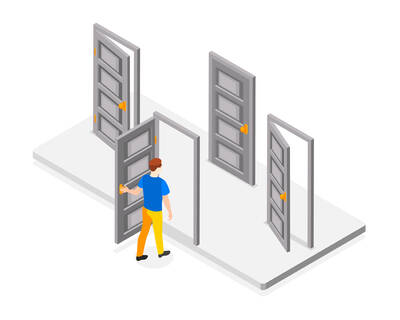
You’re sitting in class when a classmate asks to borrow a pencil. It seems like a small favor, so you agree without hesitation. The following week, the same classmate asks to share your notes. Later, they request help with a group project. You agree each time — after all, you helped out the first time — but before you know it, it has become automatic. This scenario demonstrates the “foot-in-the-door technique,” a psychological concept that shows how agreeing to small, acceptable demands makes it easier to accept larger ones later on. The name for this strategy comes from door-to-door

A: The four-day Tomb Sweeping Day long weekend begins Friday and will run until Monday. Are you going to sweep your ancestors’ tombs? B: I did in advance last weekend, so I can go to Kaohsiung to see the musical “The Phantom of the Opera.” A: Wow, is “Phantom” touring Taiwan again? It debuted in 1986, so this year marks the 40th anniversary of the show. B: And it’s not just touring Kaohsiung starting March 31, but also Taipei starting April 21 and Taichung starting May 26. A: “Phantom” is one of the world’s Four Major Musicals. I’ve seen all of them, except “Les

Dos & Don’ts — 想想看,這句話英語該怎麼說? 1. 我們很早到達電影院。 ˇ We arrived at the theater very early. χ We arrived the theater very early. 註︰arrive 為不及物動詞,後面如果有受詞要用 at 或 in。例如:They arrived in Taipei yesterday.。一般大地方,如國家、省、大城市等前面用 in,凡小地方城鎮、學校等則用 at。 2. 開車半小時以後,我們到達了海灘。 ˇ After half an hour’s drive, we got to the beach. χ After half an hour’s drive, we got the beach. 註︰come, go, get(來、去、到達)某地時,在表示地點的名詞前面應該用 to,如 go to school, go to Taipei, come to Shanghai 等。如果這些動詞後面所跟的是 here, there, home 等副詞,則不用 to。 3. 明天我會回辦公室。 ˇ I will be back in the office tomorrow. χ I will be back to office tomorrow. 註︰to be back 一語裡的 back 是副詞,不是介詞,所以後面要用 at (the market) 或 in (the office)。 假如假期結束,要回學校上課了則可說: ? Kids will be back


 RSS
RSS