


An antique Mercedes-Benz manufactured in 1961 was driven from Taichung to Taitung on Sept. 18. When this classic old-timer, a Mercedes-Benz 230, hit the road, it caused a sensation, and when it was parked in the square at Taitung City’s Tienhou Temple in the morning that day, it immediately became the focus of attention. The question that everyone was asking was, “Does it run?”
The owner, Li Shih-chang, drove it all the way from Taichung to Taitung without a hitch. When asked how fast it can go, he said the car could easily do up to 150km per hour, but that old cars are not used for racing; 80km per hour is the perfect speed on the freeway, because it saves the old car from being abused while still being fashionable. Throughout the trip, other drivers would roll down their windows to give him a thumbs-up, and that made him feel really good.
Li, the director of the Classic Cars Association of Taiwan, said that although the car had gone through considerable repairs, the leather seats were the original ones from 1961, and the steering wheel is made of ivory, and has that material’s natural pattern of cracks. Originally, this old Mercedes-Benz was not equipped with air conditioning, but that was added later on and it is strong enough for Taiwan’s high temperatures.
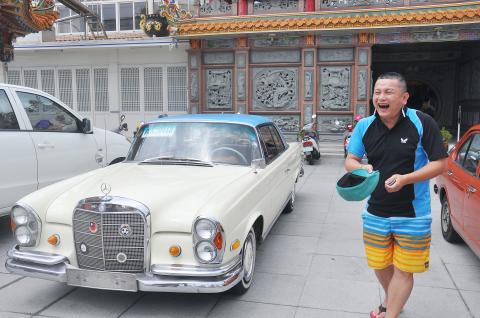
Photo: Huang Ming-tang, Taipei Times
照片: 自由時報記者黃明堂攝
Li made the trip because he was to take part in an activity in Guanshan Township, and he stressed that his association is willing to collaborate with the local residents in promoting culture, creativity and travel.
(Liberty Times, Translated by Ethan Zhan)
一輛一九六一年出廠的老賓士九月十八日從台中開來台東,經典老車閃亮上路,十分拉風。這輛老賓士二三○九月十八日上午停放在台東市天后宮廣場,立即引來不少香客注目,大家共同的疑問是:「它還能跑嗎?」
車主李世昌開著它從台中一路順暢抵達台東。「跑多快?」他說跑到時速一百五十公里沒問題;不過,老車不是拿來飆速用的,在高速公路開時速八十剛剛好,既不虐待老車,又很拉風。一路都有人搖下車窗比「讚」,感覺真好。
李世昌是台灣經典老車協會理事長,他說這部車雖然有經過不小幅的整修,但皮椅還是一九六一年出廠那一套,方向盤則是象牙製,保有自然龜裂的紋路。這台老賓士原本是無冷氣車款,但已加裝冷氣,且夠冷,不怕台灣的熱天氣。
李世昌此行是到關山參加活動,強調老車協會願與地方合作一起推動文創及觀光行銷。
〔自由時報記者黃明堂/台東報導〕
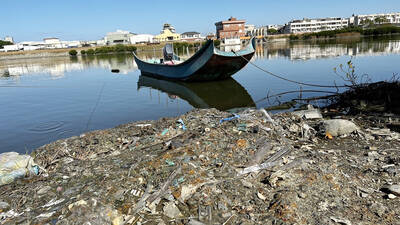
Many consumers are guilty of filling drawers or closets with old laptops, cellphones, fitness trackers and other electronic devices once they are no longer needed. It’s hard to know where to recycle such items, or it seems costly and inconvenient to do so. The world generates millions of tons of electronic waste — also called e-waste — each year. According to the UN’s most recent estimate, people worldwide produced 62 million metric tons of e-waste in 2022, and only about 22 percent of it was properly recycled. The US’ Environmental Protection Agency estimates that less than a quarter of e-waste is
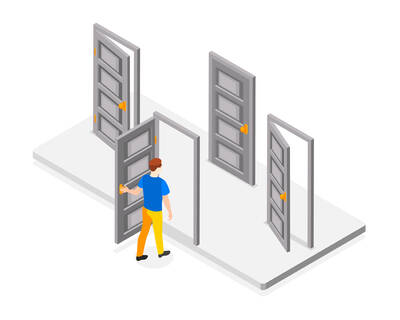
You’re sitting in class when a classmate asks to borrow a pencil. It seems like a small favor, so you agree without hesitation. The following week, the same classmate asks to share your notes. Later, they request help with a group project. You agree each time — after all, you helped out the first time — but before you know it, it has become automatic. This scenario demonstrates the “foot-in-the-door technique,” a psychological concept that shows how agreeing to small, acceptable demands makes it easier to accept larger ones later on. The name for this strategy comes from door-to-door

A: The four-day Tomb Sweeping Day long weekend begins Friday and will run until Monday. Are you going to sweep your ancestors’ tombs? B: I did in advance last weekend, so I can go to Kaohsiung to see the musical “The Phantom of the Opera.” A: Wow, is “Phantom” touring Taiwan again? It debuted in 1986, so this year marks the 40th anniversary of the show. B: And it’s not just touring Kaohsiung starting March 31, but also Taipei starting April 21 and Taichung starting May 26. A: “Phantom” is one of the world’s Four Major Musicals. I’ve seen all of them, except “Les

Dos & Don’ts — 想想看,這句話英語該怎麼說? 1. 我們很早到達電影院。 ˇ We arrived at the theater very early. χ We arrived the theater very early. 註︰arrive 為不及物動詞,後面如果有受詞要用 at 或 in。例如:They arrived in Taipei yesterday.。一般大地方,如國家、省、大城市等前面用 in,凡小地方城鎮、學校等則用 at。 2. 開車半小時以後,我們到達了海灘。 ˇ After half an hour’s drive, we got to the beach. χ After half an hour’s drive, we got the beach. 註︰come, go, get(來、去、到達)某地時,在表示地點的名詞前面應該用 to,如 go to school, go to Taipei, come to Shanghai 等。如果這些動詞後面所跟的是 here, there, home 等副詞,則不用 to。 3. 明天我會回辦公室。 ˇ I will be back in the office tomorrow. χ I will be back to office tomorrow. 註︰to be back 一語裡的 back 是副詞,不是介詞,所以後面要用 at (the market) 或 in (the office)。 假如假期結束,要回學校上課了則可說: ? Kids will be back


 RSS
RSS