


Are you an office worker sittting behind your desk all day? According to a survey, people spend an average of nine hours in a seated position each day, and 60 percent of the time spent sitting is at work. Overseas medical experts recommend that people who sit in an office for extended periods should stand for up to two hours a day to avoid illnesses and pains induced by extended sitting.
Even with a sufficient amount of exercise, it is impossible to offset the harm caused by extensive sitting. According to a report from the British newspaper the Daily Mail, trusted medical experts from Public Health England suggest that employers should set a daily office quota for their employees to spend time standing, as extended periods of sitting could lead to obesity, cancer and type-2 diabetes and is also related to back, neck and muscle pains. According to statistics, British workers take a total of 131 million days off sick each year because of the aforementioned ailments.
In recent years, through scholastic research and discussions, it has been discovered that the risks of extended sitting are comparable with those of smoking. Research shows that people who spend a majority of their days seated have a relatively high risk of obesity, heart disease, cancer and even early death. Experts advise that people should start by standing for two hours or doing light activities, and eventually they should increase the time to four hours to avoid incurring illnesses.
(Liberty Times, Translated By Zane Kheir)
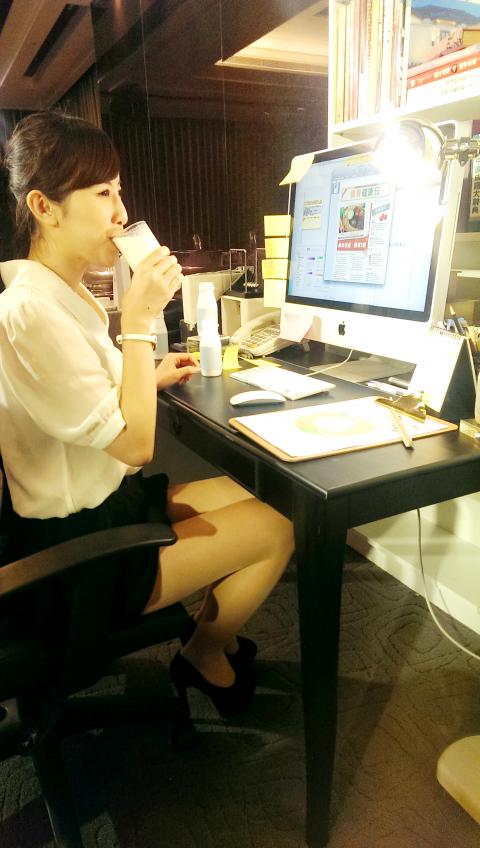
Photo: Wu Liang-i, Liberty Times
照片:自由時報記者吳亮儀
你是一整天都坐在辦公室裡的上班族嗎?據調查,一般人平均一天有九小時處於坐著的狀態,其中六十%時間都是在工作。有國外醫學專家建議,久坐辦公室的你,每天至少該站兩個小時,避免久坐可能造成的各種病痛。
即使有充足的運動量,還是無法抵消久坐的危害。根據英國《每日郵報》(Daily Mail)報導,英國公共衛生局 (Public Health England)委託的醫學專家建議,雇主應該訂定員工每天站著辦公的「配額」,因為長時間久坐恐造成肥胖、癌症與第二型糖尿病,也與背痛、脖子痛與肌肉酸痛有所關連。據統計,英國上班族因以上「症頭」而請假的天數,每年加起來高達一億三千一百萬天,數字相當可觀。
近年經學界研究討論,發現「久坐」和「吸菸」的危害旗鼓相當。研究顯示,一天大部分時間都坐著的民眾,肥胖、心臟疾病、癌症、甚至早死的風險都較高。專家建議,民眾一開始應該從二小時的站著或輕度活動開始,最後應增加到四小時,避免病痛纏身。
(自由時報)
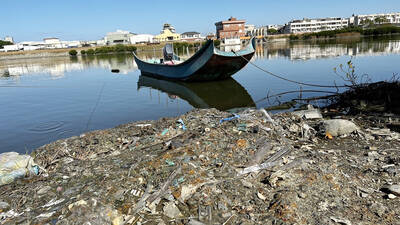
Many consumers are guilty of filling drawers or closets with old laptops, cellphones, fitness trackers and other electronic devices once they are no longer needed. It’s hard to know where to recycle such items, or it seems costly and inconvenient to do so. The world generates millions of tons of electronic waste — also called e-waste — each year. According to the UN’s most recent estimate, people worldwide produced 62 million metric tons of e-waste in 2022, and only about 22 percent of it was properly recycled. The US’ Environmental Protection Agency estimates that less than a quarter of e-waste is
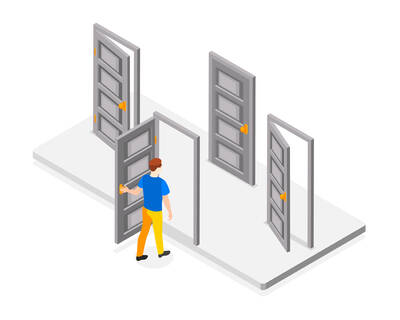
You’re sitting in class when a classmate asks to borrow a pencil. It seems like a small favor, so you agree without hesitation. The following week, the same classmate asks to share your notes. Later, they request help with a group project. You agree each time — after all, you helped out the first time — but before you know it, it has become automatic. This scenario demonstrates the “foot-in-the-door technique,” a psychological concept that shows how agreeing to small, acceptable demands makes it easier to accept larger ones later on. The name for this strategy comes from door-to-door

A: The four-day Tomb Sweeping Day long weekend begins Friday and will run until Monday. Are you going to sweep your ancestors’ tombs? B: I did in advance last weekend, so I can go to Kaohsiung to see the musical “The Phantom of the Opera.” A: Wow, is “Phantom” touring Taiwan again? It debuted in 1986, so this year marks the 40th anniversary of the show. B: And it’s not just touring Kaohsiung starting March 31, but also Taipei starting April 21 and Taichung starting May 26. A: “Phantom” is one of the world’s Four Major Musicals. I’ve seen all of them, except “Les

Dos & Don’ts — 想想看,這句話英語該怎麼說? 1. 我們很早到達電影院。 ˇ We arrived at the theater very early. χ We arrived the theater very early. 註︰arrive 為不及物動詞,後面如果有受詞要用 at 或 in。例如:They arrived in Taipei yesterday.。一般大地方,如國家、省、大城市等前面用 in,凡小地方城鎮、學校等則用 at。 2. 開車半小時以後,我們到達了海灘。 ˇ After half an hour’s drive, we got to the beach. χ After half an hour’s drive, we got the beach. 註︰come, go, get(來、去、到達)某地時,在表示地點的名詞前面應該用 to,如 go to school, go to Taipei, come to Shanghai 等。如果這些動詞後面所跟的是 here, there, home 等副詞,則不用 to。 3. 明天我會回辦公室。 ˇ I will be back in the office tomorrow. χ I will be back to office tomorrow. 註︰to be back 一語裡的 back 是副詞,不是介詞,所以後面要用 at (the market) 或 in (the office)。 假如假期結束,要回學校上課了則可說: ? Kids will be back


 RSS
RSS