


In a break with the past, Pope Francis has decided that Latin will not be the official language of a worldwide gathering of bishops at the Vatican.
A cardinal made the announcement at the start of the first working day of the two-week assembly, known as a synod, where about 200 Roman Catholic bishops from around the world are discussing themes related to the family.
Italian, the lingua franca of the Vatican, would become the synod’s official language, he said.
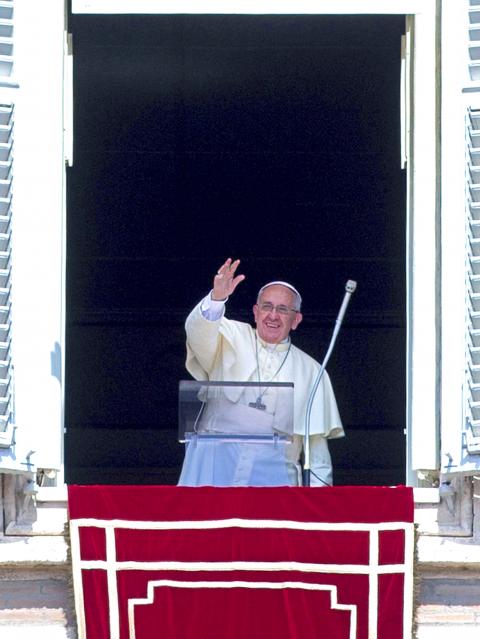
Photo: EPA
照片:歐新社
In past synods, Latin was the official language of documents for the meetings and some of the participants chose to speak in Latin. The pope decided to make the break in order to streamline the proceedings, officials said.
The move was a break with Francis’s predecessor, Pope Benedict XVI, who two years ago started a new Vatican department to promote the study and use of Latin in the Roman Catholic Church and beyond.
When Benedict announced on Feb. 11 last year that he was stepping down, the first pope to do so in 600 years, he read a statement in Latin. Only one reporter listening to a live audio feed in the Vatican press room understood what he was saying.
The use of Latin in the Church has greatly diminished since the old-style Latin Mass was phased out more than 40 years ago in favor of local languages.
Latin remains the official language of the universal Church. It is used as the language of reference for translating major documents into modern language.
(Reuters)
教宗方濟各作出一反前任教宗的理念,拉丁文將不再是梵蒂岡世界主教會議上的官方語言。
一名樞機主教在為期兩週的世界主教會議的第一個工作日,宣布此消息。約兩百名來自世界各地羅馬天主教的主教們齊聚一堂,這次是討論與家庭相關的主題。
該名樞機表示,現為梵蒂岡通用語的義大利文將取而代之,成為世界主教會議上的官方語言。
在以往世界主教會議上,拉丁文是會議文件的官方語言,而且部分與會者選擇以拉丁文發表談話。教宗決定做出這項有別於過去的舉動,以讓會議進行更符合時宜。
此舉一反前任教宗本篤十六世的理念,本篤兩年前才在梵蒂岡成立新部門—教廷拉丁研究學院,以提倡拉丁文在羅馬天主教會以及更多場合上的應用。
當本篤去年二月十一日宣布退位時,他即以拉丁文宣讀其去職聲明。當時在梵蒂岡新聞媒體中心聆聽現場廣播的記者們,僅一位聽懂教宗所言為何。本篤是六百年來首位非因逝世而去職的教宗。
自從舊禮的拉丁文彌撒在四十多年前逐漸被淘汰、並以當地語言取代後,拉丁文在教會的使用就大幅減少。
拉丁文在普世教會仍保有其官方語言的地位。它是翻譯重要文獻典籍至現代語言的參考文獻。
(路透/翻譯:林亞蒂)
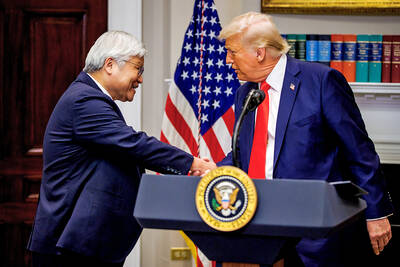
A: Time magazine recently released its list of “The 100 Most Influential People of 2026.” It’s categorized into six groups: Artists, Pioneers, Titans, Icons, Leaders and Innovators. B: TSMC chairman C.C. Wei made the list this year. Which category is he in? A: Wei is actually among the Pioneers, with figures including Disney CEO Josh D’Amaro and MrBeast — the first YouTuber ever to surpass 400 million subscribers. B: Led by Wei, Taiwan’s “silicon shield” TSMC is the sixth-largest company in the world. A: As Nvidia founder Jensen Huang wrote in his introduction, “C.C. Wei is truly one of the
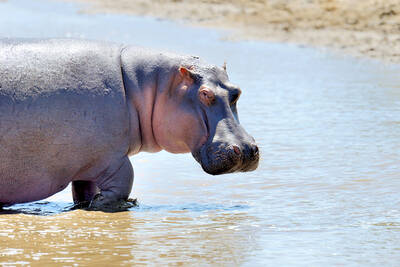
The animal kingdom is full of surprises that challenge our understanding of biology. From remarkable feeding mechanisms to extreme defense strategies, some creatures possess traits so unusual that they seem like pure fiction. Here are four fascinating examples that show nature’s endless creativity. The humble snail may appear simple, but its mouth tells a different story. Snails possess a ribbon-like tongue called a radula, densely covered with anywhere from 1,000 to 12,000 tiny teeth. This structure works like a cheese grater, allowing them to scrape and grind food with surprising efficiency. Far from being passive creatures, snails are actually

A: In the 2026 Time 100 list, besides TSMC chairman C.C. Wei in the Pioneers category, Blackpink’s Jennie also stands out in the Artists group. B: What about the Titans and Icons? A: The Titans include legendary fashion designer Ralph Lauren, Google CEO Sundar Pichai, and Intel CEO Tan Lip-bu. The Icons include actor Wagner Moura, Olympic gold figure skater Alysa Liu and singer Victoria Beckham. B: What about the Leaders and Innovators? I bet US President Donald Trump and Chinese President Xi Jinping are on the list. A: You got it. Other Leaders include Japanese PM Sanae
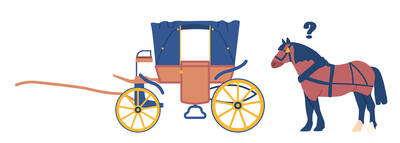
Put the Cart Before the Horse 本末倒置 Iris: I think I’m in love. Carl: What? Iris: We just have so much in common. We like all of the same things. Carl: Yes, but you’ve only chatted with him online. Iris: It doesn’t matter. I know we’ll end up getting married. Carl: I’m afraid you’re putting the cart before the horse. You should at least meet him first. Iris: OK, OK. I’ll do that. 艾瑞絲: 我想我戀愛了。 卡 爾: 什麼? 艾瑞絲: 我們就是有那麼多的共通點。我們喜歡的東西都一樣。 卡 爾: 是沒錯,不過妳和他只在網路上聊過天而已。 艾瑞絲: 那不重要。我知道我們最後一定會步入禮堂。 卡 爾: 妳恐怕是本末倒置了吧。妳至少應該先跟他見個面。 艾瑞絲: 好啦,好啦。我會的啦。 A tough cookie 強悍的人∕堅強的人 Tracy: I heard you went out with Iris last night. Justin: Yeah. We


 RSS
RSS