


Raul Castro spent the lion’s share of a prominent speech scolding his countrymen for all kinds of bad behavior — everything from corruption and theft to public urination and the odoriferous practice of raising pigs in cities.
Speaking before legislators at one of parliament’s twice-annual sessions, the Cuban president railed against decaying morals, a deteriorating sense of civic responsibility and vanishing values like honor, decency and decorum. Castro aired a laundry list of complaints about illegal activities that he said do the country harm — unauthorized home construction, illicit logging and slaughter of livestock and the acceptance of bribes, to name a few.
He also fulminated against baser examples of “social indiscipline” — shouting and swearing in the streets, public drinking and drunk driving, dumping trash on the roadside and even people who relieve themselves in parks.
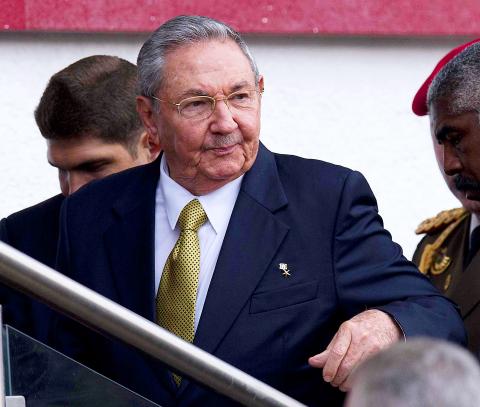
Photo: AFP
照片:法新社
At times, the 82-year-old’s speech sounded like a generational broadside against disrespectful youth who do as they please, a diatribe that could have crossed the lips of many a grandfather.
(AP)
拉伍.卡斯楚在一場重要演說中,把大部分時間都花在痛批古巴人民的各種不良行為,從貪污、偷竊到在公共場所小便,以及在城市裡養豬引起惡臭等無所不包。
在國會每年兩次的議程開始前對國會議員發表演說時,這位古巴總統批評國民道德淪喪,公德心下降,榮譽、規矩和莊重等價值日漸消失。卡斯楚還舉出一長串他認為有損國家發展的不法行為清單:非法興建民宅、盜伐山林、非法屠宰牲畜及接受賄賂等,這還只是其中一小部分而已。
他同時也嚴厲斥責某些「社會失序」的不良範例,如在街頭喊叫或罵人,公然飲酒和酒後駕車,在路邊亂倒垃圾,甚至在公園裡小便等。
有時這位高齡八十二歲的總統演說聽起來像是長輩在痛批我行我素、目無尊長的年輕人,就像許多阿公在罵自家小輩時一樣。
(美聯社/翻譯:俞智敏)
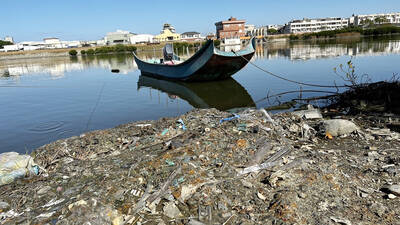
Many consumers are guilty of filling drawers or closets with old laptops, cellphones, fitness trackers and other electronic devices once they are no longer needed. It’s hard to know where to recycle such items, or it seems costly and inconvenient to do so. The world generates millions of tons of electronic waste — also called e-waste — each year. According to the UN’s most recent estimate, people worldwide produced 62 million metric tons of e-waste in 2022, and only about 22 percent of it was properly recycled. The US’ Environmental Protection Agency estimates that less than a quarter of e-waste is
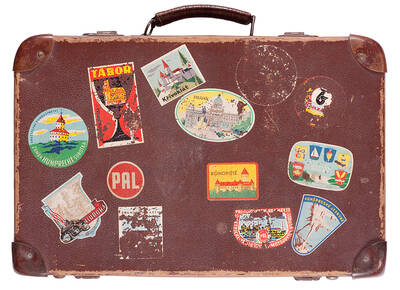
Travel fever is back, and it’s contagious. After years of being kept home during the COVID-19 pandemic, people are once again eager to explore the world. Rather than just book any trip, travelers are getting smarter about how they scratch that travel itch. Microcation Defined as four days or fewer and over 160km away from home, the microcation perfectly matches the post-pandemic mindset. After long periods of remaining indoors, people are making up for lost time by taking short, frequent getaways throughout the year. These brief trips avoid the work-life imbalance that comes with long absences. With only a few days away, one’s

You’re sitting in class when a classmate asks to borrow a pencil. It seems like a small favor, so you agree without hesitation. The following week, the same classmate asks to share your notes. Later, they request help with a group project. You agree each time — after all, you helped out the first time — but before you know it, it has become automatic. This scenario demonstrates the “foot-in-the-door technique,” a psychological concept that shows how agreeing to small, acceptable demands makes it easier to accept larger ones later on. The name for this strategy comes from door-to-door

Continued from yesterday(延續自昨日) https://www.taipeitimes.com/News/lang Gig Tripping “Gig tripping” combines concerts with travel. People fly to see their favorite artists perform — usually abroad—and spend a few days sightseeing before or after the show. While die-hard fans have done this since the 1960s, the post-pandemic travel boom changed the game. Even people who aren’t superfans are now booking international concert trips because they want to make the most of travel opportunities. This trend exploded in the US, as the math makes sense. Domestic concert tickets are so costly that flying abroad for the show plus tourism expenses often matches or even beats the price


 RSS
RSS