


Smokers who successfully quit feel less anxious afterwards — despite the belief that smoking relieves stress, researchers say.
The British Journal of Psychiatry study followed nearly 500 smokers attending National Health Service Stop Smoking Clinics in England. It found a “significant” decrease in anxiety levels among the 68 smokers who had quit after six months.
The effect was greater among those who had mood and anxiety disorders than those who smoked for pleasure.

Photo: Reuters
照片:路透
The researchers — drawn from several universities including Cambridge, Oxford and King’s College London — said the findings should be used to reassure smokers attempting to quit that concerns about increased anxiety levels were unfounded.
(Liberty Times)
研究人員說,雖然一般認為吸菸可舒緩壓力,但吸菸者成功戒菸後,反而比較不會覺得緊張。
《英國精神病學期刊》刊登的這份研究,追蹤在英格蘭向「國民保健服務處」戒菸診所求助的近五百名吸菸者。研究發現,六十八名在六個月後戒菸的吸菸者,緊張感「顯著」降低。
戒菸對有情緒與緊張失調者的影響,比為了愉悅感而吸菸者來得大。
選自劍橋、牛津與倫敦國王學院等大學的研究人員說,這項研究發現應該用來說服欲戒菸者,戒菸會增加緊張感的憂慮並沒有根據。
(自由時報/翻譯:自由時報國際新聞中心)
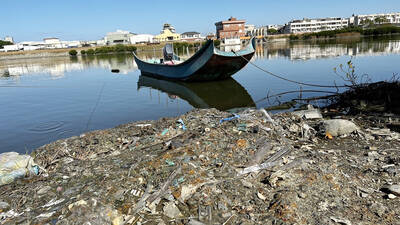
Many consumers are guilty of filling drawers or closets with old laptops, cellphones, fitness trackers and other electronic devices once they are no longer needed. It’s hard to know where to recycle such items, or it seems costly and inconvenient to do so. The world generates millions of tons of electronic waste — also called e-waste — each year. According to the UN’s most recent estimate, people worldwide produced 62 million metric tons of e-waste in 2022, and only about 22 percent of it was properly recycled. The US’ Environmental Protection Agency estimates that less than a quarter of e-waste is
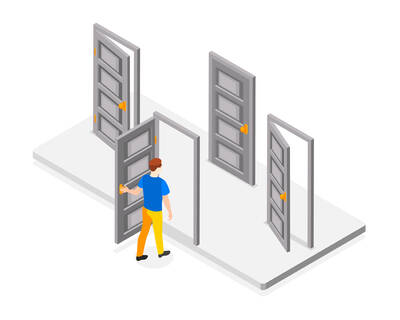
You’re sitting in class when a classmate asks to borrow a pencil. It seems like a small favor, so you agree without hesitation. The following week, the same classmate asks to share your notes. Later, they request help with a group project. You agree each time — after all, you helped out the first time — but before you know it, it has become automatic. This scenario demonstrates the “foot-in-the-door technique,” a psychological concept that shows how agreeing to small, acceptable demands makes it easier to accept larger ones later on. The name for this strategy comes from door-to-door

A: The four-day Tomb Sweeping Day long weekend begins Friday and will run until Monday. Are you going to sweep your ancestors’ tombs? B: I did in advance last weekend, so I can go to Kaohsiung to see the musical “The Phantom of the Opera.” A: Wow, is “Phantom” touring Taiwan again? It debuted in 1986, so this year marks the 40th anniversary of the show. B: And it’s not just touring Kaohsiung starting March 31, but also Taipei starting April 21 and Taichung starting May 26. A: “Phantom” is one of the world’s Four Major Musicals. I’ve seen all of them, except “Les

Dos & Don’ts — 想想看,這句話英語該怎麼說? 1. 我們很早到達電影院。 ˇ We arrived at the theater very early. χ We arrived the theater very early. 註︰arrive 為不及物動詞,後面如果有受詞要用 at 或 in。例如:They arrived in Taipei yesterday.。一般大地方,如國家、省、大城市等前面用 in,凡小地方城鎮、學校等則用 at。 2. 開車半小時以後,我們到達了海灘。 ˇ After half an hour’s drive, we got to the beach. χ After half an hour’s drive, we got the beach. 註︰come, go, get(來、去、到達)某地時,在表示地點的名詞前面應該用 to,如 go to school, go to Taipei, come to Shanghai 等。如果這些動詞後面所跟的是 here, there, home 等副詞,則不用 to。 3. 明天我會回辦公室。 ˇ I will be back in the office tomorrow. χ I will be back to office tomorrow. 註︰to be back 一語裡的 back 是副詞,不是介詞,所以後面要用 at (the market) 或 in (the office)。 假如假期結束,要回學校上課了則可說: ? Kids will be back


 RSS
RSS