


A cat has been detained in the grounds of a jail in Brazil with contraband goods for prisoners strapped to its body with tape.
The incident took place at a jail in Arapiraca city, Alagoas state. The white cat was apprehended crossing the main prison gate.
The guards saw the cat walking toward them with tape wrapped around its back and stomach. When they looked closer they saw the cat was carrying a range of items.
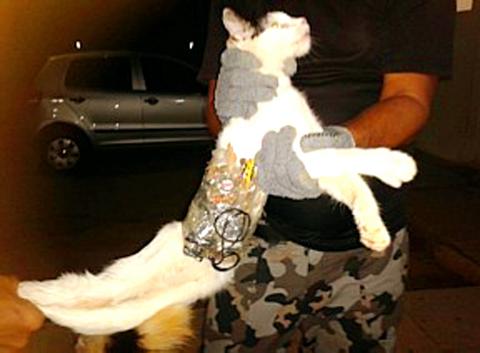
Photo: Reuters
照片:路透
The confiscated items included drill bits, a memory card, a mobile phone, a charger and batteries, plus earphones.
Officials said the items could be used to effect a means of escape or for communicating with criminals on the outside.
A prison spokesperson was quoted by a local paper as saying, “It’s tough to find out who’s responsible for the action as the cat doesn’t speak.”
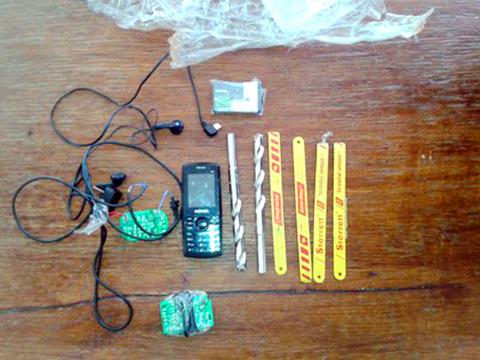
Photo: Reuters
照片:路透
All 263 detainees in the prison are considered suspects in the plot, which is being investigated by local police. The cat was taken to a local animal center.
(Liberty Times)
一隻貓身上用膠帶綁著要送給囚犯的違禁品,在巴西一座監獄內遭到拘押。
這起事件發生在阿拉戈阿斯州阿拉皮拉卡市一座監獄。這隻白貓在穿過監獄大門時被逮捕。
當時獄警看見這隻白貓走向他們,牠的背、腹部纏著膠帶。當他們更近一點看時,發現這隻貓帶著一些物品。
被查獲的物品包括鑽頭、一張記憶卡、一支手機、一具充電器和電池,還有耳機。
官員說,這些物品可能用於實行一種逃獄手段,或聯絡監獄外的罪犯。
當地一家報紙引述監獄發言人說法報導,「由於貓無法說話,很難揪出誰要為這個行動負責」。
這座監獄監禁的所有兩百六十三名受刑人都被視為這起陰謀的嫌疑人,本案正由當地警方調查。這隻貓則被送到當地動物收容中心。
(自由時報/翻譯:管淑平)

Many consumers are guilty of filling drawers or closets with old laptops, cellphones, fitness trackers and other electronic devices once they are no longer needed. It’s hard to know where to recycle such items, or it seems costly and inconvenient to do so. The world generates millions of tons of electronic waste — also called e-waste — each year. According to the UN’s most recent estimate, people worldwide produced 62 million metric tons of e-waste in 2022, and only about 22 percent of it was properly recycled. The US’ Environmental Protection Agency estimates that less than a quarter of e-waste is

You’re sitting in class when a classmate asks to borrow a pencil. It seems like a small favor, so you agree without hesitation. The following week, the same classmate asks to share your notes. Later, they request help with a group project. You agree each time — after all, you helped out the first time — but before you know it, it has become automatic. This scenario demonstrates the “foot-in-the-door technique,” a psychological concept that shows how agreeing to small, acceptable demands makes it easier to accept larger ones later on. The name for this strategy comes from door-to-door

A: The four-day Tomb Sweeping Day long weekend begins Friday and will run until Monday. Are you going to sweep your ancestors’ tombs? B: I did in advance last weekend, so I can go to Kaohsiung to see the musical “The Phantom of the Opera.” A: Wow, is “Phantom” touring Taiwan again? It debuted in 1986, so this year marks the 40th anniversary of the show. B: And it’s not just touring Kaohsiung starting March 31, but also Taipei starting April 21 and Taichung starting May 26. A: “Phantom” is one of the world’s Four Major Musicals. I’ve seen all of them, except “Les

Continued from yesterday(延續自昨日) https://www.taipeitimes.com/News/lang Gig Tripping “Gig tripping” combines concerts with travel. People fly to see their favorite artists perform — usually abroad—and spend a few days sightseeing before or after the show. While die-hard fans have done this since the 1960s, the post-pandemic travel boom changed the game. Even people who aren’t superfans are now booking international concert trips because they want to make the most of travel opportunities. This trend exploded in the US, as the math makes sense. Domestic concert tickets are so costly that flying abroad for the show plus tourism expenses often matches or even beats the price


 RSS
RSS