


Schools in crisis-hit Greece are proving a fertile ground for Golden Dawn, the neo-Nazi group suspected of orchestrating attacks on migrants whose popularity is on the rise, anti-racism activists warn.
Capitalizing on popular anger with the perceived decades-old corruption of mainstream parties, the group had 18 lawmakers elected to the 300-seat Greek parliament and is now the party of choice for one in 10 Greeks, polls show.
Still thin on numbers, Golden Dawn now seeks to spread the word to the next generation.

Photo: AFP
照片:法新社
In various schools “there are organized gangs harassing foreign pupils and their parents, verbally so far but with an intensity that could at any minute turn into physical violence,” said Nicodemos Maina Kinyua, the editor of Athens-based African magazine Asante.
The Kenyan-born journalist, who has lived in Greece since childhood, says the country’s education system offers fertile ground for neo-Nazi influence. “The dominant concept in school is that Greeks invented everything at the time when the rest of humanity was perched on trees, eating acorns,” he said.
Golden Dawn has taken a strong hand in enforcing the teaching of “accurate” history in schools. The group denies that students were killed by security forces inside the Athens Polytechnic in 1973, a seminal event considered to have hastened the downfall of the army dictatorship then ruling the country.
(AFP)
反種族歧視運動人士警告說,在遭逢金融危機襲擊的希臘,學校現正成為新納粹組織「金色黎明」的滋長溫床,該組織涉嫌主使攻擊外來移民,但民調支持率卻不斷上升。
抓住民眾對主流政黨長年貪腐怒氣爆發的機會,該組織一口氣把十八名議員送進共三百席的希臘國會,民調更顯示目前有十分之一的希臘選民支持「金色黎明」。
雖然人力仍嫌單薄,「金色黎明」現正試圖把其主張傳播至下一代。
在許多學校裡「都有組織幫派專門騷擾外國學生及其家長,到目前為止僅是言語衝突,但情況隨時可能轉變為肢體暴力,」住在雅典的非洲《亞桑提》雜誌編輯基尼烏亞說。
這位在肯亞出生的記者自幼即住在希臘,他表示希臘的教育制度根本替新納粹勢力提供了「滋長溫床」。「學校裡最重要的觀念就是,當其他民族還住在樹上吃橡實時,希臘人就已經發明了一切,」他說。
「金色黎明」也曾在學校推行「正確」歷史教育時扮演要角。該組織否認一九七三年時曾有學生在雅典技術學院內遭安全部隊殺害,此一影響深遠的事件被視為導致當時統治希臘的軍事獨裁政權加速倒台。
(法新社/翻譯:俞智敏)
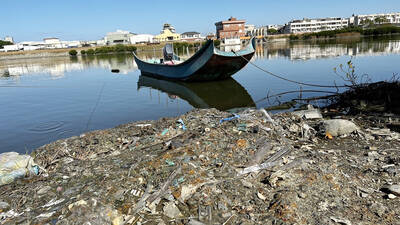
Many consumers are guilty of filling drawers or closets with old laptops, cellphones, fitness trackers and other electronic devices once they are no longer needed. It’s hard to know where to recycle such items, or it seems costly and inconvenient to do so. The world generates millions of tons of electronic waste — also called e-waste — each year. According to the UN’s most recent estimate, people worldwide produced 62 million metric tons of e-waste in 2022, and only about 22 percent of it was properly recycled. The US’ Environmental Protection Agency estimates that less than a quarter of e-waste is
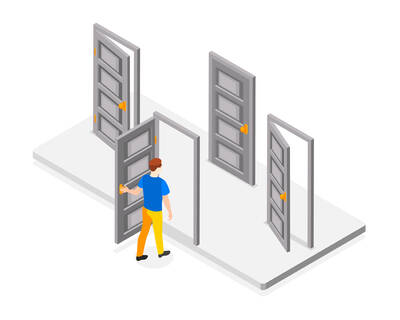
You’re sitting in class when a classmate asks to borrow a pencil. It seems like a small favor, so you agree without hesitation. The following week, the same classmate asks to share your notes. Later, they request help with a group project. You agree each time — after all, you helped out the first time — but before you know it, it has become automatic. This scenario demonstrates the “foot-in-the-door technique,” a psychological concept that shows how agreeing to small, acceptable demands makes it easier to accept larger ones later on. The name for this strategy comes from door-to-door

A: The four-day Tomb Sweeping Day long weekend begins Friday and will run until Monday. Are you going to sweep your ancestors’ tombs? B: I did in advance last weekend, so I can go to Kaohsiung to see the musical “The Phantom of the Opera.” A: Wow, is “Phantom” touring Taiwan again? It debuted in 1986, so this year marks the 40th anniversary of the show. B: And it’s not just touring Kaohsiung starting March 31, but also Taipei starting April 21 and Taichung starting May 26. A: “Phantom” is one of the world’s Four Major Musicals. I’ve seen all of them, except “Les

Dos & Don’ts — 想想看,這句話英語該怎麼說? 1. 我們很早到達電影院。 ˇ We arrived at the theater very early. χ We arrived the theater very early. 註︰arrive 為不及物動詞,後面如果有受詞要用 at 或 in。例如:They arrived in Taipei yesterday.。一般大地方,如國家、省、大城市等前面用 in,凡小地方城鎮、學校等則用 at。 2. 開車半小時以後,我們到達了海灘。 ˇ After half an hour’s drive, we got to the beach. χ After half an hour’s drive, we got the beach. 註︰come, go, get(來、去、到達)某地時,在表示地點的名詞前面應該用 to,如 go to school, go to Taipei, come to Shanghai 等。如果這些動詞後面所跟的是 here, there, home 等副詞,則不用 to。 3. 明天我會回辦公室。 ˇ I will be back in the office tomorrow. χ I will be back to office tomorrow. 註︰to be back 一語裡的 back 是副詞,不是介詞,所以後面要用 at (the market) 或 in (the office)。 假如假期結束,要回學校上課了則可說: ? Kids will be back


 RSS
RSS