


Do you assume that your gums bleed because of excessive internal heat in the body, too much stress, using too much force when you brush your teeth, hard foods, or simply because you did not get enough sleep? As 90 percent of adults in Taiwan have experienced bleeding gums at one time or another, Tsai Yi-min, a dentist in the division of periodontics at National Taiwan University Hospital’s Department of Dentistry, would like to remind people that if they are not vigilant enough about their bleeding gums, they will probably miss the ideal time to treat periodontal disease.
Bleeding gums are the earliest sign of periodontal disease. People who have slight bleeding in the gums are typically in denial because they do not experience any pain. Tsai says that if you suspect that you may have periodontal disease, you can use the three-step method of self-examination, which he calls the “stopping, looking and pressing” method. “Stopping” means that you should stop in the middle of brushing your teeth or eating to see if your gums are bleeding. “Looking” simply implies observing whether your gums have become a dark red color or whether your teeth have grown longer and the gaps between them have widened. “Pressing” means using your tongue or toothbrush to press on your gums to see if you have any loose teeth or whether your gums bleed or hurt.
Tsai says that some people do not take dental hygiene seriously enough and assume that going to the dentist for a teeth cleaning every six months is enough, when actually they are habitually doing harm to their gums. From the time a person is a child, they should get into the habit of brushing their teeth after every meal and flossing at least once a day in order to maintain healthy gums, Tsai says.
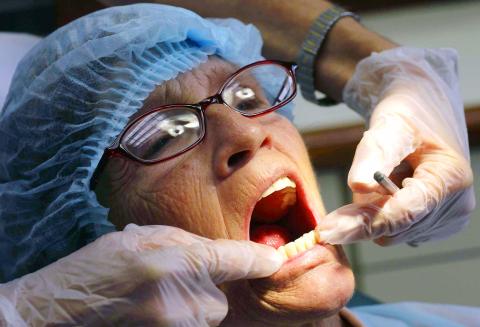
Photo: Reuters
照片:路透
(Liberty Times, Translated by Kyle Jeffcoat)
你以為牙齦出血,只是因為火氣大、壓力大、刷牙太用力、食物太硬,或是沒睡好嗎?國內九成成年人有牙齦出血的經驗,台大醫院牙周病科蔡逸民醫師提醒,國人對於牙齦流血的警覺度低,容易錯失治療牙周病的黃金時間。
其實牙齦出血就是牙周病發病最早期的症狀,這些「微出血族」卻常因沒有疼痛感,總是抱持著鴕鳥心態。蔡逸民表示,懷疑自己有牙周疾病的人,可以透過「停、看、壓」三步驟自我檢測。「停」就是刷牙或進食間停下來觀察是否有血漬;「看」就是觀察牙齦顏色是否變成暗紅色,或是牙齒變長、縫隙變大。「壓」就是用舌頭或牙刷去按壓牙齦,感覺牙齒是否有鬆動、出血或疼痛。
蔡逸民說,有些人平常不認真潔牙,以為半年去找醫師洗牙就好,其實這都是傷害牙齦的習慣。應該要從小養成三餐後刷牙、每天至少用一次牙線的習慣,才能夠長期維持牙齦健康。
(自由時報記者邱宜君)
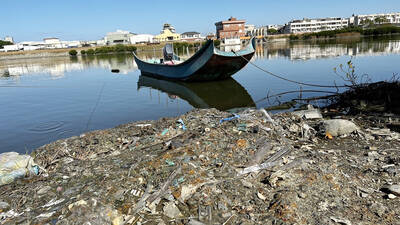
Many consumers are guilty of filling drawers or closets with old laptops, cellphones, fitness trackers and other electronic devices once they are no longer needed. It’s hard to know where to recycle such items, or it seems costly and inconvenient to do so. The world generates millions of tons of electronic waste — also called e-waste — each year. According to the UN’s most recent estimate, people worldwide produced 62 million metric tons of e-waste in 2022, and only about 22 percent of it was properly recycled. The US’ Environmental Protection Agency estimates that less than a quarter of e-waste is
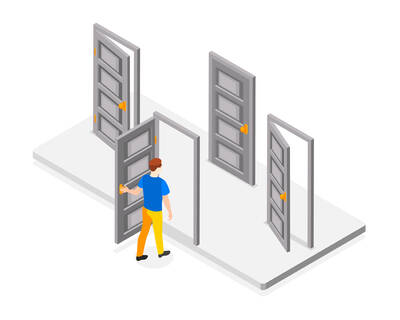
You’re sitting in class when a classmate asks to borrow a pencil. It seems like a small favor, so you agree without hesitation. The following week, the same classmate asks to share your notes. Later, they request help with a group project. You agree each time — after all, you helped out the first time — but before you know it, it has become automatic. This scenario demonstrates the “foot-in-the-door technique,” a psychological concept that shows how agreeing to small, acceptable demands makes it easier to accept larger ones later on. The name for this strategy comes from door-to-door
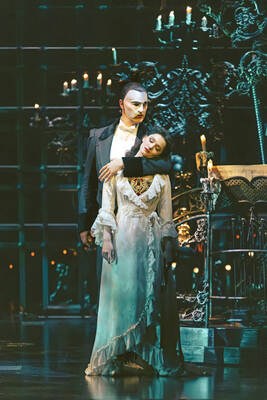
A: The four-day Tomb Sweeping Day long weekend begins Friday and will run until Monday. Are you going to sweep your ancestors’ tombs? B: I did in advance last weekend, so I can go to Kaohsiung to see the musical “The Phantom of the Opera.” A: Wow, is “Phantom” touring Taiwan again? It debuted in 1986, so this year marks the 40th anniversary of the show. B: And it’s not just touring Kaohsiung starting March 31, but also Taipei starting April 21 and Taichung starting May 26. A: “Phantom” is one of the world’s Four Major Musicals. I’ve seen all of them, except “Les

Dos & Don’ts — 想想看,這句話英語該怎麼說? 1. 我們很早到達電影院。 ˇ We arrived at the theater very early. χ We arrived the theater very early. 註︰arrive 為不及物動詞,後面如果有受詞要用 at 或 in。例如:They arrived in Taipei yesterday.。一般大地方,如國家、省、大城市等前面用 in,凡小地方城鎮、學校等則用 at。 2. 開車半小時以後,我們到達了海灘。 ˇ After half an hour’s drive, we got to the beach. χ After half an hour’s drive, we got the beach. 註︰come, go, get(來、去、到達)某地時,在表示地點的名詞前面應該用 to,如 go to school, go to Taipei, come to Shanghai 等。如果這些動詞後面所跟的是 here, there, home 等副詞,則不用 to。 3. 明天我會回辦公室。 ˇ I will be back in the office tomorrow. χ I will be back to office tomorrow. 註︰to be back 一語裡的 back 是副詞,不是介詞,所以後面要用 at (the market) 或 in (the office)。 假如假期結束,要回學校上課了則可說: ? Kids will be back


 RSS
RSS