


Just as music and lighting can influence what shoppers buy, toning down the tunes and dimming the lights in a fast food restaurant can help diners enjoy their meal more and eat less, according to a US study.
After transforming part of a fast food restaurant in Illinois with milder music and lighting, researchers found that customers ate 18 percent fewer calories than other people in the unmodified part of the restaurant.
“When we softened the lights and softened the music in the restaurant it did not change what people ordered, but what it did do was lead them to eat less and made them more satisfied and happier,” said Brian Wansink, a professor of marketing and consumer behavior at Cornell University in New York.
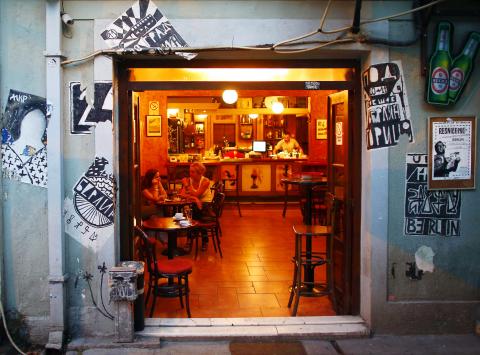
Photo: Reuters
照片:路透
Wansink and his co-author Koert Van Ittersum, of the Georgia Institute of Technology, said the bright lights, stimulating colors, and loud music in fast food restaurants are not designed to be relaxing.
So they improved the mood in a section of a restaurant for the study, adding plants, paintings, indirect lights, tablecloths, candles and instrumental music.
After seating customers in both the original and restyled sections of the restaurant, they timed how long their meal lasted and how many calories they consumed. Customers in the modified section ate longer than those in the main dining area, consumed fewer calories and rated the food as more enjoyable.
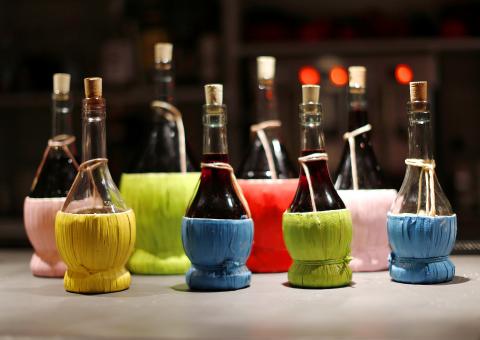
Photo: Reuters
照片:路透
(Reuters)
根據美國研究,就像是音樂與燈光可以影響購物者買東西一樣,在速食餐廳調低音量並調暗燈光,有助用餐者更享受餐點,還會吃得比較少。
改造伊利諾州一家速食餐廳的一部份,讓音樂與燈光都較為柔和後,研究人員發現顧客吃下的卡路里,比在餐廳未改造部分用餐者減少百分之十八。
紐約康乃爾大研究行銷與消費者行為的教授汪辛克表示:「當我們把餐廳的燈光與音樂變柔和,不會改變人們點餐的內容,但會讓他們吃得比較少,也更容易滿意、比較開心。」
汪辛克與研究共同撰文者、喬治亞科技學院的伊特桑表示,速食餐廳明亮的燈光、刺激性的顏色與嘈雜的音樂,並不是為了讓人放鬆。
因此,他們改善一間餐廳某區域的氛圍,加入植物、畫作、間接燈光、桌巾,蠟燭,以及器樂音樂。
在分別將顧客帶位至餐廳未改造區與已改造區域後,他們開始計算顧客用餐時間與攝取卡路里。結果發現,在已改造區用餐的顧客,其用餐時間比在主要用餐區的顧客來得長、其卡路里攝取較少,且認為食物更為美味。
(路透/翻譯:自由時報國際新聞中心、台北時報林亞蒂)
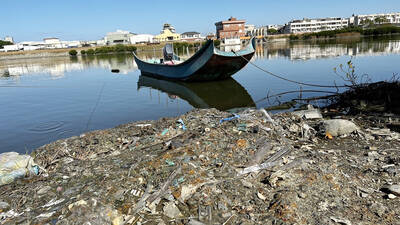
Many consumers are guilty of filling drawers or closets with old laptops, cellphones, fitness trackers and other electronic devices once they are no longer needed. It’s hard to know where to recycle such items, or it seems costly and inconvenient to do so. The world generates millions of tons of electronic waste — also called e-waste — each year. According to the UN’s most recent estimate, people worldwide produced 62 million metric tons of e-waste in 2022, and only about 22 percent of it was properly recycled. The US’ Environmental Protection Agency estimates that less than a quarter of e-waste is
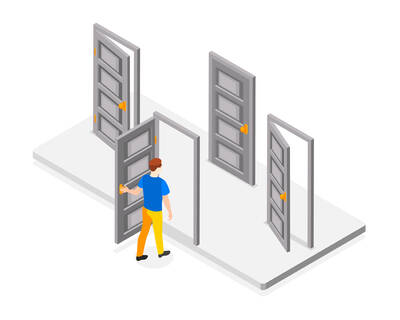
You’re sitting in class when a classmate asks to borrow a pencil. It seems like a small favor, so you agree without hesitation. The following week, the same classmate asks to share your notes. Later, they request help with a group project. You agree each time — after all, you helped out the first time — but before you know it, it has become automatic. This scenario demonstrates the “foot-in-the-door technique,” a psychological concept that shows how agreeing to small, acceptable demands makes it easier to accept larger ones later on. The name for this strategy comes from door-to-door

A: The four-day Tomb Sweeping Day long weekend begins Friday and will run until Monday. Are you going to sweep your ancestors’ tombs? B: I did in advance last weekend, so I can go to Kaohsiung to see the musical “The Phantom of the Opera.” A: Wow, is “Phantom” touring Taiwan again? It debuted in 1986, so this year marks the 40th anniversary of the show. B: And it’s not just touring Kaohsiung starting March 31, but also Taipei starting April 21 and Taichung starting May 26. A: “Phantom” is one of the world’s Four Major Musicals. I’ve seen all of them, except “Les
Dos & Don’ts — 想想看,這句話英語該怎麼說? 1. 我們很早到達電影院。 ˇ We arrived at the theater very early. χ We arrived the theater very early. 註︰arrive 為不及物動詞,後面如果有受詞要用 at 或 in。例如:They arrived in Taipei yesterday.。一般大地方,如國家、省、大城市等前面用 in,凡小地方城鎮、學校等則用 at。 2. 開車半小時以後,我們到達了海灘。 ˇ After half an hour’s drive, we got to the beach. χ After half an hour’s drive, we got the beach. 註︰come, go, get(來、去、到達)某地時,在表示地點的名詞前面應該用 to,如 go to school, go to Taipei, come to Shanghai 等。如果這些動詞後面所跟的是 here, there, home 等副詞,則不用 to。 3. 明天我會回辦公室。 ˇ I will be back in the office tomorrow. χ I will be back to office tomorrow. 註︰to be back 一語裡的 back 是副詞,不是介詞,所以後面要用 at (the market) 或 in (the office)。 假如假期結束,要回學校上課了則可說: ? Kids will be back


 RSS
RSS