


At 22, Isaac Hernandez had danced in Havana, in Moscow, and even in Jackson, Mississippi, but Mexico’s most internationally acclaimed male ballet dancer had performed in his home country exactly once — when he was 14.
“I find myself asking why is it that I can dance anywhere in the world, except in Mexico?” he said during a recent interview. The answer: Mexico does not have a history of celebrating ballet.
So even though the Guadalajara native begins a new job last week as a soloist for the Dutch National Ballet in Amsterdam, he has spent much of the past year working to change the profile of ballet in Mexico to cultivate more talent and performances. Hernandez has sought to lead his countrymen to the practice barre in hopes they will grab on and get hooked, just as he did as a boy pirouetting beneath the clotheslines on his parents’ uneven concrete patio.
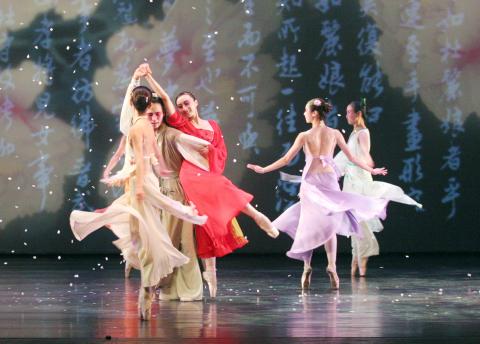
Photo courtesy of Kaohsiung City Ballet
照片由高雄城市芭蕾舞團提供
“For an 8-year-old kid to say, ‘I want to be a ballet dancer in Mexico,’ was madness at that point,” Hernandez said in an interview with the AP. Little has changed since, even as the rest of Latin America has exploded with ballet talent, producing male virtuosos such as Jose Manuel Carreno and Carlos Acosta of Cuba and Argentines Herman Cornejo and Julio Bocca, who now directs the national ballet in Uruguay.
Mexico, known for its frenetic, heel-stomping folklorico dance, has had its share of prima ballerinas, including Elisa Carrillo, a principal dancer for the Berlin Ballet. But it’s virtually unheard of for Mexico to produce world-class male dancers. The image persists that ballet is for elites in a country of mostly working class and poor — and definitely not for boys. So Hernandez decided to stage his own professional performances in Mexico, and also traveled throughout the country to give workshops to students at universities and schools of the arts.
“That has given me a sense of the reality and the needs that they have,” he said. “And one of the greatest needs that they have is to have somebody to look up to.”
Hernandez, a slender and chiseled 177cm with wide-set eyes and a mop of black ringlets, grew up as the sixth of 10 children in a ballet family. His father, Hector, danced in Mexico and then for several US companies, including the Harlem Dance Theater and the Houston Ballet, where he performed with Hernandez’s mother, Laura Elena. The couple run a dance studio in Guadalajara.
Hernandez left home at 12 to study at the Rock School for Dance Education in Philadelphia, where he started to rack up awards and recognition, including a gold medal at the USA International Ballet Competition, one of the major international competitions, at age 16.
Bojan Spassoff, Rock School’s president, said Hernandez has always been a dancer of power and precision, showing off a photograph during rehearsal of him soaring through the air in splits. “Like a rocket,” Spassoff said with pride.
In his 2009 debut with the San Francisco Ballet, Hernandez was chosen to dance Tchaikovsky with prima ballerina Tina LeBlanc in one of her final performances. One reviewer called him “fresh-faced” and “a brilliant corps dancer.” While he is not yet a star, many think he could be.
“I think that he is just starting to scratch the surface of his abilities as a dramatic artist,” said Mary Ellen Hunt, a dance writer and critic in San Francisco.
Yet he nearly did not get even this far. At age 15, while at the Rock School, he took a jump and fell to the floor, unable to feel his legs. A doctor told him he had the spine of a 60-year-old man, with three discs nearly fused in his lower back. He could not move for weeks or dance for a year, recovering in the rehabilitation facility for the Philadelphia Eagles because his injury was much more common among football players.
“Some of my deepest depressions were at that age. You are losing what makes you happy and it was really out of my hands,” he said. “For six months I was laying down on the floor. For the first couple of weeks, I could only get up twice a day.” But the moment he could put his hand on the barre again, he knew he wanted to come back. “When I’m in the ballet studio is the only time that I make sense to myself,” he said. “It’s the most real thing I know.”
Hernandez returned to dance in his native country last November, appearing at the Palace of Fine Arts in a program he called “A Moment to Dream,’’ referring to his desire to bring ballet to Mexico. Last week he was back, this time organizing a gala performance called “Awakenings” at Mexico’s much larger National Auditorium.
The performance featured dancers from top ballet companies around the world, including the American Ballet Theatre, and mixed classics such as “Don Quixote” and “Black Swan” with more accessible numbers: a dance on snow skis by the illusionist troupe Momix and the Vegas-style Bad Boys of Dance gyrating to Queen. Hernandez himself performed four numbers, including one with his brother Esteban, 18, who is also causing a stir in the dance world as he finishes his final year at the Royal Ballet School in London.
“It’s the first time I’ve seen a show like that,” said Maria Rosa Perez Fernandez, 32, of Mexico City. “We’re used to ballet that is kind of boring. This one, they mixed in contemporary, there was more of a connection between him and the public.” The auditorium that normally holds 10,000 people was cut to 5,000 seats, yielding a full performance but not a sellout. Unlike opening nights in San Francisco, there were no Versace gowns, rather a crowd in jeans and open collars. “That’s the way we have to do it, little by little. It’s not going to change from today to tomorrow,” Hernandez said. “Mexico and the world are full of problems more important than the loss of culture. But that’s what makes us so crazy, to lose the small things that at the end of the day make us more human, that thing called art.”
(AP)
現年二十二歲的艾薩克˙赫南德茲,演出足跡包括哈瓦那、莫斯科,甚至是密西西比的傑克遜,但是這位墨西哥最受國際讚譽的男芭蕾舞者僅在祖國表演過一次─當他十四歲時。
他在最近的一場專訪中表示:「我自問,我可以在世界各地跳舞,何以墨西哥除外?」答案是:墨西哥沒有提倡芭蕾的歷史。
雖然這位在瓜達拉哈拉市土生土長的舞者,上週才以獨舞者之姿,進入荷蘭國家芭蕾舞團,展開新的職業生涯;但為了改變墨西哥芭蕾現況,他已投注過去一年中的大半時間,培育更多芭蕾表演人才。赫南德茲試圖引領祖國同胞們練習芭蕾的把桿動作,希望就此能讓他們鎖定並愛上這門藝術;這種喜歡,就好比他還是個男孩時,在父母露臺曬衣繩下方的凹凸水泥地上,旋轉起舞一般。
赫南德茲在專訪中向美聯社表示:「對於一位八歲小孩說:『我要在墨西哥成為一位芭蕾舞者。』,在那時是愚不可及的想望。」不過,今日情況還是與昔日大同小異,而鄰近的其他拉丁美洲國家,反而是已出現大量芭蕾舞人才,也造就了像是古巴的荷西˙曼努埃爾˙卡瑞諾與卡羅斯˙阿寇斯塔,以及阿根廷的赫爾門˙柯爾內荷與胡立歐˙波卡等知名舞蹈家。波卡現職為烏拉圭國家芭蕾舞團的總監。
以狂熱的頓足民俗舞蹈聞名的墨西哥,還是有培育出像是柏林芭蕾舞團首席舞者愛麗莎˙卡莉羅等在國際間佔有一席之地的芭蕾伶娜。但是,幾乎從未聽聞墨西哥有世界級男舞者。在這個人民多半是勞工階級與窮人的國家,民眾仍抱持著芭蕾是屬於菁英活動的想法─更遑論是男孩該學的了。有鑑於此,赫南德茲決定回墨西哥舉行他個人的專業表演,並巡迴全國舉辦工作坊,為大學與藝術學院學生授課。
赫南德茲表示:「這讓他親身理解到現實狀況,以及他們的需求。」「他們最大的需求,是要有一個人能讓他們看齊的人。」
赫南德茲身高一百七十七公分,身形瘦長、輪廓深、眼距寬,並有一頭黑色長捲髮。他生長在芭蕾家庭,在家裡十個小孩中排行第六。其父親赫克特曾在墨西哥跳舞,而後進入哈林舞蹈劇場與休斯頓芭蕾舞團等美國的舞團。而赫克特在休斯頓芭蕾期間,與赫南德茲的母親蘿拉˙艾琳娜同台演出,而這對夫妻目前一起在瓜達拉哈拉市經營一間舞蹈教室。
赫南德茲十二歲時離家到費城留學,就讀Rock School for Dance Education舞蹈學校,在校期間獲獎無數並得到肯定,包括十六歲獲得世界重要芭蕾大賽之一的美國國際芭蕾大賽金牌。
Rock School舞蹈學校校長Bojan Spassoff表示,赫南德茲一向是位具有爆發力與技巧精確的舞者。在展示赫南德茲一張彩排時躍上空中分腿大跳的照片時,這位校長驕傲地說:「就像火箭一般。」
在其二○○九年與舊金山芭蕾舞團的首演,赫南德茲獲選擔任柴可夫斯基舞劇的角色,並與首席舞者緹娜˙勒布朗在其最後幾場演出中搭檔。一位舞評家稱他為「新面孔」並且是「一位才華洋溢的群舞舞者」。當時他還不是位明星,但許多人認為他頗具潛力。
舊金山一位舞評家瑪莉˙艾倫˙杭特表示:「我想他這位引人注目的藝術家,現在呈現出的只是其才華的表面。」
然而,當他十五歲還在Rock School求學時,他的一次大跳後摔落地面,致使他感覺不到他的雙腿。一位醫師告訴他說,他的脊椎像是六十歲老人的,而他下背處的三個椎間盤幾乎是融合再一起。事發後有數週都無法動彈,也有一年不能練舞,只能在費城老鷹橄欖球隊的復健中心做復健,因為相對於舞者,他的傷較更好發在橄欖球員身上。
他說:「我最沮喪的日子就在那個年紀。你失去了帶給你快樂的東西,而這是我無法控制的。」「起初的六個月,我都只能躺在地上。剛開始幾週,我一天只能起身兩次。」不過,當他再度將手放在練習芭蕾的把杆上的那一刻,他知道他要回來。他說:「只有在芭蕾教室時,才我能了解自己的時刻。」「這是我所知道最真實的事。」
赫南德茲去年十一月回到墨西哥跳舞,在藝術宮帶來其稱為「夢想時刻」的公演。「夢想時刻」代表著他對於將芭蕾帶到墨西哥的渴望。他上週再度回到墨西哥,這次則是在墨西哥更大的國家演奏廳演出,主辦一場名為「甦醒」的精華匯演。
該演出主打包括美國芭蕾舞團等世界頂尖芭蕾舞團舞者,不僅有像是「唐吉軻德」、「黑天鵝」等古典舞碼,還有更多舞作:由幻覺派舞團Momix帶來一支在滑雪板上的舞碼與拉斯維加斯秀場風格的Bad Boys of Dance舞團以皇后樂團樂曲編作的舞蹈。赫南德茲演出四首舞,其中一首是與十八歲的弟弟艾斯特班同台。艾斯特班目前正在倫敦皇家芭蕾舞學校完成最後一年的學業,也與哥哥一樣,正在舞蹈界掀起一陣旋風。
一位三十二歲的墨西哥市民瑪莉亞˙羅莎˙費南德茲表示:「觀賞像這樣的表演,是我生平頭一遭。」她說:「我們總是習慣於有點無聊的芭蕾。但是這個帶入當代舞蹈的芭蕾演出,增加他與大眾之間的連結。」原本可容納一萬人的觀眾席,(為了觀賞品質)減為五千個座位,所以這是一場票券未售罄但滿座的演出。有別於舊金山的開幕之夜,我們看到的不是一席凡賽斯禮服打扮的觀眾,而是一群穿著牛仔褲與開襟上衣的人群。赫南德茲表示:「這就是為何我們必須做這件事,一點一滴地,因為這不是一蹴可幾、隔天就能完成的理想。」他說:「墨西哥與這個世界充斥著比文化流失更重要的問題;但是,在一天結束時能使我們感覺到自己是人類而瘋狂沉迷的小事,正是所謂的藝術。」
(美聯社/翻譯:林亞蒂)

Many consumers are guilty of filling drawers or closets with old laptops, cellphones, fitness trackers and other electronic devices once they are no longer needed. It’s hard to know where to recycle such items, or it seems costly and inconvenient to do so. The world generates millions of tons of electronic waste — also called e-waste — each year. According to the UN’s most recent estimate, people worldwide produced 62 million metric tons of e-waste in 2022, and only about 22 percent of it was properly recycled. The US’ Environmental Protection Agency estimates that less than a quarter of e-waste is
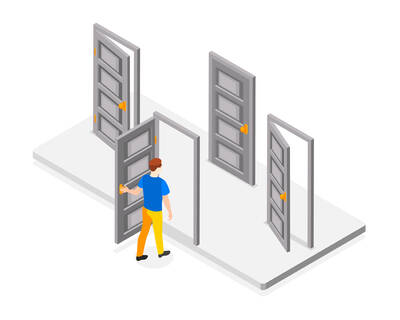
You’re sitting in class when a classmate asks to borrow a pencil. It seems like a small favor, so you agree without hesitation. The following week, the same classmate asks to share your notes. Later, they request help with a group project. You agree each time — after all, you helped out the first time — but before you know it, it has become automatic. This scenario demonstrates the “foot-in-the-door technique,” a psychological concept that shows how agreeing to small, acceptable demands makes it easier to accept larger ones later on. The name for this strategy comes from door-to-door

A: The four-day Tomb Sweeping Day long weekend begins Friday and will run until Monday. Are you going to sweep your ancestors’ tombs? B: I did in advance last weekend, so I can go to Kaohsiung to see the musical “The Phantom of the Opera.” A: Wow, is “Phantom” touring Taiwan again? It debuted in 1986, so this year marks the 40th anniversary of the show. B: And it’s not just touring Kaohsiung starting March 31, but also Taipei starting April 21 and Taichung starting May 26. A: “Phantom” is one of the world’s Four Major Musicals. I’ve seen all of them, except “Les

Dos & Don’ts — 想想看,這句話英語該怎麼說? 1. 我們很早到達電影院。 ˇ We arrived at the theater very early. χ We arrived the theater very early. 註︰arrive 為不及物動詞,後面如果有受詞要用 at 或 in。例如:They arrived in Taipei yesterday.。一般大地方,如國家、省、大城市等前面用 in,凡小地方城鎮、學校等則用 at。 2. 開車半小時以後,我們到達了海灘。 ˇ After half an hour’s drive, we got to the beach. χ After half an hour’s drive, we got the beach. 註︰come, go, get(來、去、到達)某地時,在表示地點的名詞前面應該用 to,如 go to school, go to Taipei, come to Shanghai 等。如果這些動詞後面所跟的是 here, there, home 等副詞,則不用 to。 3. 明天我會回辦公室。 ˇ I will be back in the office tomorrow. χ I will be back to office tomorrow. 註︰to be back 一語裡的 back 是副詞,不是介詞,所以後面要用 at (the market) 或 in (the office)。 假如假期結束,要回學校上課了則可說: ? Kids will be back


 RSS
RSS