


A blind woman who did not realize the novel she was writing was blank after her pen ran out has been saved after a police force used forensic techniques to recover the words.
Forensics experts agreed to use a special scientific process to recover what Trish Vickers had written by examining the dents she had made in the pages.
Vickers, 59, was left devastated when she learned that her pen had run out and there was nothing on the first 26 pages of the book. She lost her sight seven years ago through diabetes and decided to write a novel to pass the time and keep her mind active.
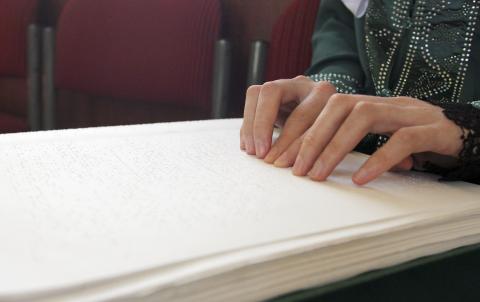
Photo: Reuters
照片:路透
She quickly penned the opening chapters. She waited for her son Simon to visit so he could read it back to her, but when he arrived he had to tell her that the pages were blank.
Incredibly, however, the manuscript was recovered after the family took it to their local police headquarters and asked for help.
Forensic experts worked in their spare time to read the indentations left on the A4 pages using a system of lights. It took five months of painstaking work, but the forensic team was able to recover the whole text.
(Liberty Times)
一名不知道正在撰寫的小說因筆沒水而空白一片的盲女,在警方利用鑑識技術恢復文字後已獲得補救。
鑑識專家同意利用一種特別的科學過程,檢視崔希.維克斯在頁面上產生的筆跡凹痕,來恢復她已書寫的文字。
當五十九歲的維克斯女士知道筆的墨水已用完,她的作品前二十六頁空無一物時極度震驚。七年前她因糖尿病而失明,但為了消磨時間與保持心神靈活,她決定寫小說。
她很快的寫完開頭章節。她等兒子西門造訪,如此他可以讀給她聽。然而當他到訪後,卻必須告訴她頁面上一片空白。
然而難以置信地,是家人將手稿拿到當地的警察總局尋求協助後,原稿復原了。
鑑識專家在閒暇時間,利用一個光線系統解讀留在A4紙張上的凹痕。經過五個月的費心工作,鑑識團隊終能恢復整個文本。
(自由時報/編譯:魏國金)
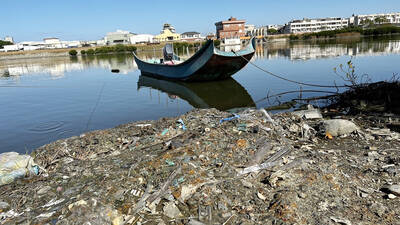
Many consumers are guilty of filling drawers or closets with old laptops, cellphones, fitness trackers and other electronic devices once they are no longer needed. It’s hard to know where to recycle such items, or it seems costly and inconvenient to do so. The world generates millions of tons of electronic waste — also called e-waste — each year. According to the UN’s most recent estimate, people worldwide produced 62 million metric tons of e-waste in 2022, and only about 22 percent of it was properly recycled. The US’ Environmental Protection Agency estimates that less than a quarter of e-waste is
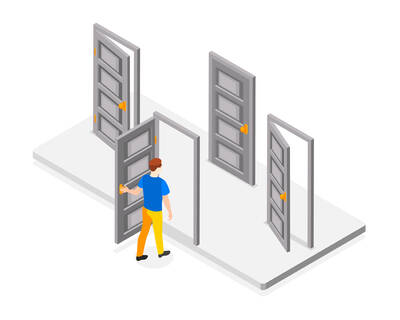
You’re sitting in class when a classmate asks to borrow a pencil. It seems like a small favor, so you agree without hesitation. The following week, the same classmate asks to share your notes. Later, they request help with a group project. You agree each time — after all, you helped out the first time — but before you know it, it has become automatic. This scenario demonstrates the “foot-in-the-door technique,” a psychological concept that shows how agreeing to small, acceptable demands makes it easier to accept larger ones later on. The name for this strategy comes from door-to-door

A: The four-day Tomb Sweeping Day long weekend begins Friday and will run until Monday. Are you going to sweep your ancestors’ tombs? B: I did in advance last weekend, so I can go to Kaohsiung to see the musical “The Phantom of the Opera.” A: Wow, is “Phantom” touring Taiwan again? It debuted in 1986, so this year marks the 40th anniversary of the show. B: And it’s not just touring Kaohsiung starting March 31, but also Taipei starting April 21 and Taichung starting May 26. A: “Phantom” is one of the world’s Four Major Musicals. I’ve seen all of them, except “Les

Dos & Don’ts — 想想看,這句話英語該怎麼說? 1. 我們很早到達電影院。 ˇ We arrived at the theater very early. χ We arrived the theater very early. 註︰arrive 為不及物動詞,後面如果有受詞要用 at 或 in。例如:They arrived in Taipei yesterday.。一般大地方,如國家、省、大城市等前面用 in,凡小地方城鎮、學校等則用 at。 2. 開車半小時以後,我們到達了海灘。 ˇ After half an hour’s drive, we got to the beach. χ After half an hour’s drive, we got the beach. 註︰come, go, get(來、去、到達)某地時,在表示地點的名詞前面應該用 to,如 go to school, go to Taipei, come to Shanghai 等。如果這些動詞後面所跟的是 here, there, home 等副詞,則不用 to。 3. 明天我會回辦公室。 ˇ I will be back in the office tomorrow. χ I will be back to office tomorrow. 註︰to be back 一語裡的 back 是副詞,不是介詞,所以後面要用 at (the market) 或 in (the office)。 假如假期結束,要回學校上課了則可說: ? Kids will be back


 RSS
RSS