


A music teacher surnamed Wu had a flute worth more than NT$300,000 stolen four years ago. A college student that wanted the instrument to be repaired and resold recently brought the stolen flute to the same instrument dealer’s shop that originally sold it to Wu. In the end, Wu was able to recover her instrument because of the serial number engraved on it.
The police said thieves broke into Wu’s house on Lunar New Year’s Eve four years ago when she and her family were not at home. Four households in the same building, including Wu’s, were burglarized. Wu’s losses were the heaviest with a flute worth more than NT$300,000 and a violin worth around NT$80,000 both stolen.
Wu reported the theft to the police. Since musical instruments serve a specific purpose, only specific instrument dealers will purchase them. However, the flute never resurfaced until a 23 year-old college student surnamed Ho recently took it to the instrument dealer that sold it to Wu, and asked that it be repaired and resold. After noticing the serial number on the flute, the dealer became suspicious and contacted Wu. Since Wu had previously reported the theft to the police, the instrument was identified as stolen property. The police promptly detained Ho for questioning.
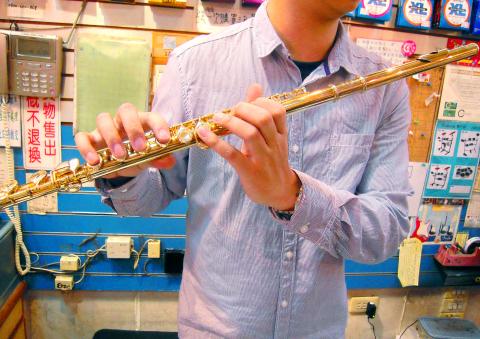
Photo: Hsu Kuo-chen, Liberty Times
照片:自由時報記者許國楨
Ho told the police that the flute belonged to his father, who had asked him to take it to the shop for repairs that day. The police also summoned Ho’s 57 year-old father. The father claimed that a friend who was also a frequent customer at his philatelic shop had given him the instrument three years prior and subsequently moved to Australia.
Ho’s father was unable to provide the police with his friend’s contact information or even his full name, therefore doubts arose since he claimed a person had given him a flute with a value of more than NT$300,000 simply because the man was a frequent customer at his shop. The police were convinced that the father’s confessions were illogical, and thus detained him as a theft suspect.
(LIBERTY TIMES, TRANSLATED BY TAIJING WU)
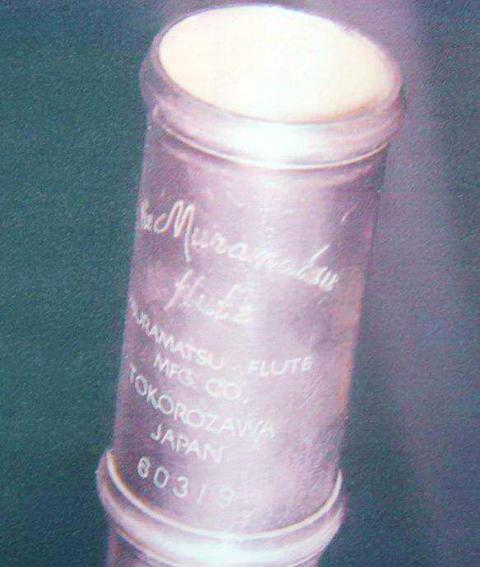
Photo: Hsu Kuo-chen, Liberty Times
照片:自由時報記者許國楨
吳姓女音樂老師價值新台幣三十多萬元的長笛四年前遭竊,日前竟被一名大學生送去吳女當初購買的樂器公司要求維修轉售。由於長笛上有烙碼序號,吳女失而復得。
警方指出,吳女四年前除夕舉家外出過年,遭宵小闖空門。同棟連同吳家共有四戶遭竊。其中吳女被偷走一支價值新台幣三十多萬元的長笛,及八萬多元的小提琴,損失最慘重。
吳女當時報警處理。由於樂器的特殊用途,僅特定樂器公司才會收購,但那支長笛一直未出現。日前,二十三歲的何姓大學生拿著這支長笛,至當初賣給吳女的樂器公司要求修復並轉售。由於長笛上有烙碼序號,樂器公司察覺有異,立即通知吳女。由於警方曾接獲吳女報案,確認長笛為贓物,立即將何某帶回偵訊。
何某向警方表示,長笛係其父親所有。當天係應父親要求,將長笛送去修理;警方傳喚五十七歲的何父到案說明。何父供稱,因開集郵社,該長笛是三年前一名常來光顧的友人所贈,但該友人已移居澳洲。
但何父無法提供友人連絡方式及全名,且該長笛市價要新台幣三十多萬元,怎麼可能會送給只因購物而認識的友人?警方認為何父所言不符常理,訊後仍依竊盜罪嫌函送何父法辦。
(自由時報記者許國楨)

Many consumers are guilty of filling drawers or closets with old laptops, cellphones, fitness trackers and other electronic devices once they are no longer needed. It’s hard to know where to recycle such items, or it seems costly and inconvenient to do so. The world generates millions of tons of electronic waste — also called e-waste — each year. According to the UN’s most recent estimate, people worldwide produced 62 million metric tons of e-waste in 2022, and only about 22 percent of it was properly recycled. The US’ Environmental Protection Agency estimates that less than a quarter of e-waste is

You’re sitting in class when a classmate asks to borrow a pencil. It seems like a small favor, so you agree without hesitation. The following week, the same classmate asks to share your notes. Later, they request help with a group project. You agree each time — after all, you helped out the first time — but before you know it, it has become automatic. This scenario demonstrates the “foot-in-the-door technique,” a psychological concept that shows how agreeing to small, acceptable demands makes it easier to accept larger ones later on. The name for this strategy comes from door-to-door

A: The four-day Tomb Sweeping Day long weekend begins Friday and will run until Monday. Are you going to sweep your ancestors’ tombs? B: I did in advance last weekend, so I can go to Kaohsiung to see the musical “The Phantom of the Opera.” A: Wow, is “Phantom” touring Taiwan again? It debuted in 1986, so this year marks the 40th anniversary of the show. B: And it’s not just touring Kaohsiung starting March 31, but also Taipei starting April 21 and Taichung starting May 26. A: “Phantom” is one of the world’s Four Major Musicals. I’ve seen all of them, except “Les

Dos & Don’ts — 想想看,這句話英語該怎麼說? 1. 我們很早到達電影院。 ˇ We arrived at the theater very early. χ We arrived the theater very early. 註︰arrive 為不及物動詞,後面如果有受詞要用 at 或 in。例如:They arrived in Taipei yesterday.。一般大地方,如國家、省、大城市等前面用 in,凡小地方城鎮、學校等則用 at。 2. 開車半小時以後,我們到達了海灘。 ˇ After half an hour’s drive, we got to the beach. χ After half an hour’s drive, we got the beach. 註︰come, go, get(來、去、到達)某地時,在表示地點的名詞前面應該用 to,如 go to school, go to Taipei, come to Shanghai 等。如果這些動詞後面所跟的是 here, there, home 等副詞,則不用 to。 3. 明天我會回辦公室。 ˇ I will be back in the office tomorrow. χ I will be back to office tomorrow. 註︰to be back 一語裡的 back 是副詞,不是介詞,所以後面要用 at (the market) 或 in (the office)。 假如假期結束,要回學校上課了則可說: ? Kids will be back


 RSS
RSS