


A young baker in Kaohsiung last month opened a bakery that links its bread prices to the euro, meaning that prices change from day to day accor-ding to the fluctuations of the euro.
The bakery’s owner is Wu Tzu-ching, a 24-year-old apprentice of 2010 Masters de la Boulangerie winner Wu Pao-chun. The younger Wu and his associate Wang Peng-chieh opened the Boulangerie Shakespeare on Sept. 8 on Kaohsiung’s Kuanghua Road. The store sells around 30 baguettes per day at about 1.5 euros, which equates to about NT$54. The price changes from day to day and is quoted according to the value of the euro listed at the neighboring branch of the Taiwan Cooperative Bank.
Wu said that the French government mandates that the price of a baguette mustn’t exceed two euros, and government officials inspect bakeries so the rule is closely observed. After returning to Taiwan he decided to follow the same policy and sell bread in Kaohsiung at the same price as in Paris.
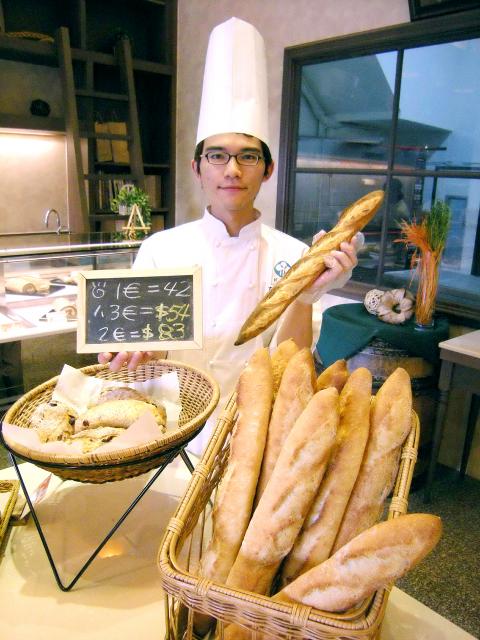
PHOTO: HUANG HSU-LEI
照片:自由時報記者黃旭磊
In 2007 Wu represented Taiwan at an international bakery competition in Shizuoka, Japan. After receiving tutelage from Wu Pao-chun, he managed to see off competition from a Japanese entrant to claim second prize behind the French contingent. Wu has visited Paris three times, where he found a bookstore called Librairie Shakespeare on the banks of the Seine. The store’s relaxing atmosphere inspired him to use its name for his own bakery.
Wu and Wang borrowed over NT$5 million to set up the bakery and they often worry about being able to make the repayments, but he feels much better at 6pm when customers line up along Kuanghua Road to buy their freshly baked bread.
(LIBERTY TIMES, TRANSLATED BY TAIJING WU)
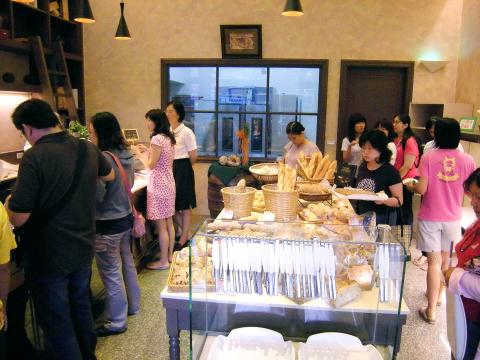
PHOTO: HUANG HSU-LEI
照片:自由時報記者黃旭磊
高雄市一位年輕麵包師傅上個月開了一家以歐元計價的麵包店,因此香噴噴的麵包每天價格不一,會隨著歐元的匯率而波動。
世界麵包比賽冠軍吳寶春的二十四歲徒弟武子靖,及合夥人王鵬傑,九月八日於高雄市光華路開設莎士比亞烘焙坊。店中法國麵包每天熱賣三十幾條,採歐元計價,約一點五歐元,折合台幣約五十四元,價格每天不同,且匯率依照隔壁合作金庫牌價變動。
武子靖說,法國政府規定條狀麵包不能超過二歐元,官員常上街頭查價,因此店家都守規矩。回國後他決定與當地同步政策,參考巴黎的麵包價在高雄販賣。
武子靖二零零七年代表台灣到日本靜岡參加國際技能競賽,出國前接受吳寶春指導,擊敗日本對手獲得第二,僅次於法國隊。他曾三度到巴黎,喜歡塞納河旁「莎士比亞書店」典雅休閒氣氛,故以此命名自己的麵包店。
新店貸款五百多萬元,他與合夥人王鵬傑擔心還不清。但是晚上六點蜂巢麵包出爐,人潮常排到光華路旁,他說,營業額「放心多了」。
(自由時報記者黃旭磊)
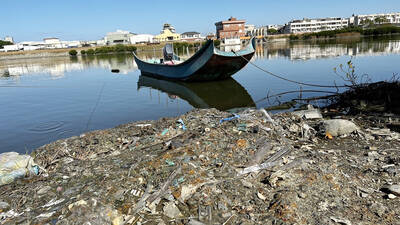
Many consumers are guilty of filling drawers or closets with old laptops, cellphones, fitness trackers and other electronic devices once they are no longer needed. It’s hard to know where to recycle such items, or it seems costly and inconvenient to do so. The world generates millions of tons of electronic waste — also called e-waste — each year. According to the UN’s most recent estimate, people worldwide produced 62 million metric tons of e-waste in 2022, and only about 22 percent of it was properly recycled. The US’ Environmental Protection Agency estimates that less than a quarter of e-waste is
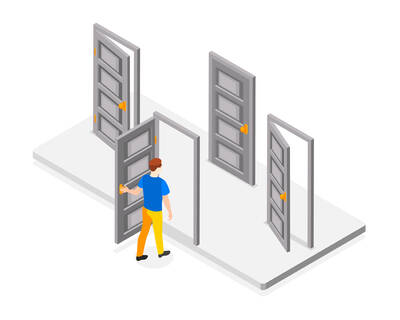
You’re sitting in class when a classmate asks to borrow a pencil. It seems like a small favor, so you agree without hesitation. The following week, the same classmate asks to share your notes. Later, they request help with a group project. You agree each time — after all, you helped out the first time — but before you know it, it has become automatic. This scenario demonstrates the “foot-in-the-door technique,” a psychological concept that shows how agreeing to small, acceptable demands makes it easier to accept larger ones later on. The name for this strategy comes from door-to-door
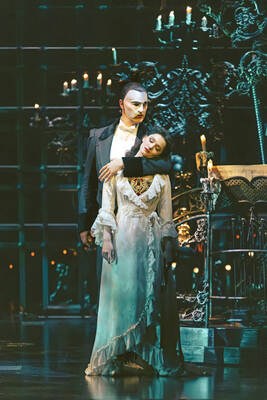
A: The four-day Tomb Sweeping Day long weekend begins Friday and will run until Monday. Are you going to sweep your ancestors’ tombs? B: I did in advance last weekend, so I can go to Kaohsiung to see the musical “The Phantom of the Opera.” A: Wow, is “Phantom” touring Taiwan again? It debuted in 1986, so this year marks the 40th anniversary of the show. B: And it’s not just touring Kaohsiung starting March 31, but also Taipei starting April 21 and Taichung starting May 26. A: “Phantom” is one of the world’s Four Major Musicals. I’ve seen all of them, except “Les

Dos & Don’ts — 想想看,這句話英語該怎麼說? 1. 我們很早到達電影院。 ˇ We arrived at the theater very early. χ We arrived the theater very early. 註︰arrive 為不及物動詞,後面如果有受詞要用 at 或 in。例如:They arrived in Taipei yesterday.。一般大地方,如國家、省、大城市等前面用 in,凡小地方城鎮、學校等則用 at。 2. 開車半小時以後,我們到達了海灘。 ˇ After half an hour’s drive, we got to the beach. χ After half an hour’s drive, we got the beach. 註︰come, go, get(來、去、到達)某地時,在表示地點的名詞前面應該用 to,如 go to school, go to Taipei, come to Shanghai 等。如果這些動詞後面所跟的是 here, there, home 等副詞,則不用 to。 3. 明天我會回辦公室。 ˇ I will be back in the office tomorrow. χ I will be back to office tomorrow. 註︰to be back 一語裡的 back 是副詞,不是介詞,所以後面要用 at (the market) 或 in (the office)。 假如假期結束,要回學校上課了則可說: ? Kids will be back


 RSS
RSS