


An Indian woman successfully divorced her husband after he refused to allow her to watch television soap operas, according to a newspaper report.
The Daily News and Analysis newspaper said the couple from Pune, southeast of Mumbai, were constantly at each other’s throats, and eventually she filed for divorce.
Television soap operas, with their high melodrama, dramatic close-ups and music, have a huge following in India, particularly among housewives or women who work as domestic help.
Granting her application, a family court judgment said the husband had been picking arguments with his wife for more than four years “on the ground that she was seeing Hindi serials on TV channels.”
It added: “The respondent (husband) was not allowing the petitioner (wife) to see programs on TV as per her choice.”
The divorce ruling was given in August, but details had only recently emerged when the ex-husband applied to the high court to overturn the decision, which also gave the woman custody of the couple’s six-year-old child.
His lawyers argued in court that the woman’s claims of cruel treatment against her were false and were part of the normal “wear and tear” of married life, the newspaper said.(AFP)
據報載,印度一位婦人因丈夫禁止她看電視連續劇而訴請離婚成功。
印度《每日新聞分析報》報導,來自孟買東南部普那的這對夫妻經常吵得不可開交,最後妻子訴請離婚。
帶有高度戲劇張力、誇張特寫鏡頭和音樂的電視連續劇,在印度擁有一大群忠實觀眾,尤以家庭主婦或女傭為主。
同意這件離婚申請的家事法庭法官表示,這名丈夫四年多來常以他太太「看北印度語電視連續劇」為由找她吵架。
法官的報告中還指出:「被告(丈夫)不准訴願人(太太)依照個人意願看電視節目。」
這件離婚官司的判決八月便出爐,但最近這名前夫上訴高等法院,才讓此案受到關注。高等法院也將他們六歲孩子的監護權判給了妻子。
報導指出,該丈夫的律師在法庭上辯稱,婦人聲稱受到殘忍待遇並非事實,那只是一般婚姻生活中正常的「磨合」。
(法新社╱翻譯:袁星塵)
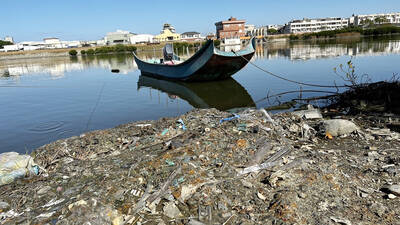
Many consumers are guilty of filling drawers or closets with old laptops, cellphones, fitness trackers and other electronic devices once they are no longer needed. It’s hard to know where to recycle such items, or it seems costly and inconvenient to do so. The world generates millions of tons of electronic waste — also called e-waste — each year. According to the UN’s most recent estimate, people worldwide produced 62 million metric tons of e-waste in 2022, and only about 22 percent of it was properly recycled. The US’ Environmental Protection Agency estimates that less than a quarter of e-waste is

You’re sitting in class when a classmate asks to borrow a pencil. It seems like a small favor, so you agree without hesitation. The following week, the same classmate asks to share your notes. Later, they request help with a group project. You agree each time — after all, you helped out the first time — but before you know it, it has become automatic. This scenario demonstrates the “foot-in-the-door technique,” a psychological concept that shows how agreeing to small, acceptable demands makes it easier to accept larger ones later on. The name for this strategy comes from door-to-door

A: The four-day Tomb Sweeping Day long weekend begins Friday and will run until Monday. Are you going to sweep your ancestors’ tombs? B: I did in advance last weekend, so I can go to Kaohsiung to see the musical “The Phantom of the Opera.” A: Wow, is “Phantom” touring Taiwan again? It debuted in 1986, so this year marks the 40th anniversary of the show. B: And it’s not just touring Kaohsiung starting March 31, but also Taipei starting April 21 and Taichung starting May 26. A: “Phantom” is one of the world’s Four Major Musicals. I’ve seen all of them, except “Les

Continued from yesterday(延續自昨日) https://www.taipeitimes.com/News/lang Gig Tripping “Gig tripping” combines concerts with travel. People fly to see their favorite artists perform — usually abroad—and spend a few days sightseeing before or after the show. While die-hard fans have done this since the 1960s, the post-pandemic travel boom changed the game. Even people who aren’t superfans are now booking international concert trips because they want to make the most of travel opportunities. This trend exploded in the US, as the math makes sense. Domestic concert tickets are so costly that flying abroad for the show plus tourism expenses often matches or even beats the price


 RSS
RSS