


Deep inside each one of us, a story is waiting to be told — a story of sex, adventure and survival. It begins in Africa with the dawn of humanity, careens through epic droughts and ice ages and climaxes only when we’ve reached the ends of the Earth. Now, we tell this story with a bold experiment. On a single day, on a single street, with the DNA of just a handful of people, we set out to trace the ancient journeys of every person alive today and reveal how we all connect on “The Human Family Tree.”
每個人體內深處都藏有一個故事──一個關於性、冒險和生存的故事。以人類在非洲誕生起頭,接著掙扎度過大旱與冰期,高潮結局是抵達世界各角落。現在我們將透過一項大膽實驗,敘述這個故事。在一天之內和一條街上,以少數幾人的DNA,展開追溯現今世人的遠古旅程,揭露在「人類基因樹」上四海本一家。
It’s the quintessential melting pot. Huddled masses from all over the globe have come here for centuries in search of a better life. And up the East River, just across from Manhattan, we find they’ve never stopped coming. This is one of the most diverse spots on earth: Queens, New York, US. People are flocking to the 30th Avenue Street Fair, here in Queen’s Astoria District, where geneticist Spencer Wells and his team are on a mission. They are scraping DNA off the cheeks of this kaleidoscope of people and attempting to retrace humanity’s journey to all corners of the earth on this single street.
這裡是典型的大熔爐。數百年來,世界各地的人來此定居,尋找更好的生活。沿東河而上,就在曼哈頓對岸,我們發現移民從未間斷,這是世上種族最多元的地區之一──美國紐約皇后區。居民湧入皇后區的阿斯托里亞參加三十大道街頭市集,基因學家史賓賽•韋爾斯帶領小組來此出任務。他們在採集不同人種的口腔黏膜DNA樣本,試圖從這條街回溯人類走遍世界各角落的旅程。
The swabbing here today is part of a much larger effort by National Geographic and IBM called the Genographic Project. The project has spent the last four years collecting DNA from 350,000 people around the world. It is basically a quest to understand where we all came from. That’s one of those key human questions that everybody is searching for the answer to. Who am I? Who are my ancestors? And we’re using the tools of science to get the answers to that. Now hundreds of New Yorkers are lining up to get these questions answered too and learn about their own ancient pasts.
今天的採樣是國家地理和IBM合作的「基因地理計畫」的一環。這個計畫已進行四年,收集了全球各地三十五萬人的DNA,目標是瞭解人類的緣起。關於人類的這個重要問題,人人都想找到答案。我是誰?我的祖先是誰?我們要運用科學工具找出答案。目前也有數百名紐約客排隊希望獲得解答,並瞭解祖先的歷史。
Genealogy allows most of us to trace our ancestors back about four or five generations, to a great-great-grandparent perhaps. If we’re lucky, we know where these ancestors lived. These DNA tests tell a deeper story. Rather than taking us back just a handful of generations, they take us back many thousands. No matter where we’re from, how different we appear, if we look back through the generations at the roots of the human family tree, we find we are all related. We descend from a small group of Homo sapiens who began eking out a living in Africa around 200,000 years ago. People didn’t leave Africa until much later, when hard times or greener pastures led them out. Ultimately, they gave rise to this bunch of New Yorkers. Their ancestors’ lineages have been diverging and going off on different paths around the globe. And now they’ve come back together in Queens, but they started off together.
多數人能透過家譜上溯約四到五代的祖先,知道自己的曾曾祖父母。如果幸運,我們還能知道祖先住在哪裡。這些DNA能道出更深入的故事,不只回溯前幾代祖先,而是回到數千年前。不論來自何方,長相如何不同,一旦回溯到人類基因樹的根源,我們發現大家都是一家人。我們是一小群智人的後代,約二十萬年前,他們開始在非洲生活。過了�?妨寣A才有人遷離非洲,理由是求生不易,或想另尋更肥沃的土地。最後才有這群紐約客的存在。他們的祖先到世界各地開枝散葉,有著共同源頭的他們現在回到皇后區重聚。
By cracking open the DNA of just a handful of random New Yorkers, as they discover their own personal histories, we discover how humans populated the entire world. Our ancestors adapted to different climates, and as a result humans are now among the most physically varied looking species on the planet. But looks can be deceiving. We’re basically identical at the genetic level. If you look at the average person’s DNA sequence and compare the same region to another person, they’re unrelated to, they’re 99.99 percent identical. Minuscule genetic changes account for all of our differences.
透過分析隨機取樣的一小群紐約客的DNA,他們發現個人的歷史,我們則得知人類族群如何傳遍全球。我們的先祖適應不同氣候,結果讓人類成為地球上外型差異最大的物種。但外表會騙人,從基因層面來看,我們都一樣。如果比較同地區兩個非親屬的一般人DNA序列,會發現有百分之九十九點九相符。細微的基因變異決定人類外型的差異。
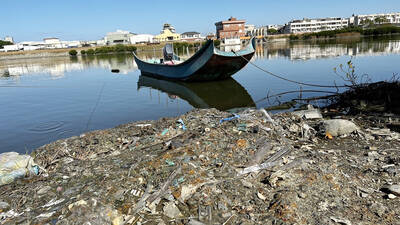
Many consumers are guilty of filling drawers or closets with old laptops, cellphones, fitness trackers and other electronic devices once they are no longer needed. It’s hard to know where to recycle such items, or it seems costly and inconvenient to do so. The world generates millions of tons of electronic waste — also called e-waste — each year. According to the UN’s most recent estimate, people worldwide produced 62 million metric tons of e-waste in 2022, and only about 22 percent of it was properly recycled. The US’ Environmental Protection Agency estimates that less than a quarter of e-waste is
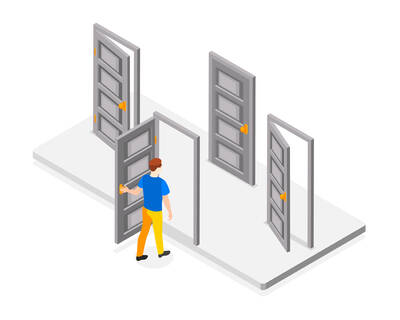
You’re sitting in class when a classmate asks to borrow a pencil. It seems like a small favor, so you agree without hesitation. The following week, the same classmate asks to share your notes. Later, they request help with a group project. You agree each time — after all, you helped out the first time — but before you know it, it has become automatic. This scenario demonstrates the “foot-in-the-door technique,” a psychological concept that shows how agreeing to small, acceptable demands makes it easier to accept larger ones later on. The name for this strategy comes from door-to-door

A: The four-day Tomb Sweeping Day long weekend begins Friday and will run until Monday. Are you going to sweep your ancestors’ tombs? B: I did in advance last weekend, so I can go to Kaohsiung to see the musical “The Phantom of the Opera.” A: Wow, is “Phantom” touring Taiwan again? It debuted in 1986, so this year marks the 40th anniversary of the show. B: And it’s not just touring Kaohsiung starting March 31, but also Taipei starting April 21 and Taichung starting May 26. A: “Phantom” is one of the world’s Four Major Musicals. I’ve seen all of them, except “Les

Dos & Don’ts — 想想看,這句話英語該怎麼說? 1. 我們很早到達電影院。 ˇ We arrived at the theater very early. χ We arrived the theater very early. 註︰arrive 為不及物動詞,後面如果有受詞要用 at 或 in。例如:They arrived in Taipei yesterday.。一般大地方,如國家、省、大城市等前面用 in,凡小地方城鎮、學校等則用 at。 2. 開車半小時以後,我們到達了海灘。 ˇ After half an hour’s drive, we got to the beach. χ After half an hour’s drive, we got the beach. 註︰come, go, get(來、去、到達)某地時,在表示地點的名詞前面應該用 to,如 go to school, go to Taipei, come to Shanghai 等。如果這些動詞後面所跟的是 here, there, home 等副詞,則不用 to。 3. 明天我會回辦公室。 ˇ I will be back in the office tomorrow. χ I will be back to office tomorrow. 註︰to be back 一語裡的 back 是副詞,不是介詞,所以後面要用 at (the market) 或 in (the office)。 假如假期結束,要回學校上課了則可說: ? Kids will be back


 RSS
RSS