

見見老鼠凱薩琳和大象馬克。凱薩琳非常勇敢又喜歡冒險,但馬克的個性十分害羞,對許多事情都感到害怕。不過,朋友都喜歡黏在一塊兒,所以凱薩琳走到哪兒,馬克就會跟到哪兒。有時候,他們也會碰上非常棘手的情況...


Halloween 萬聖節
It was the night of Halloween and Mark and Kathleen were trick-or-treating. “I can’t believe it’s Halloween again already,” said Mark. “Me neither,” Kathleen replied. “But I’m glad it’s here again. Come on, put your costume on and get ready to scare some people!” she said.
Kathleen was dressed as Frankenstein, and Mark was dressed as a goblin. “I bet we’re the scariest kids in the neighborhood,” said Kathleen as she lit the candle inside her giant pumpkin. They spent the next few hours knocking on doors and collecting candy from the neighbors. They had so much candy they didn’t know what to do with it.
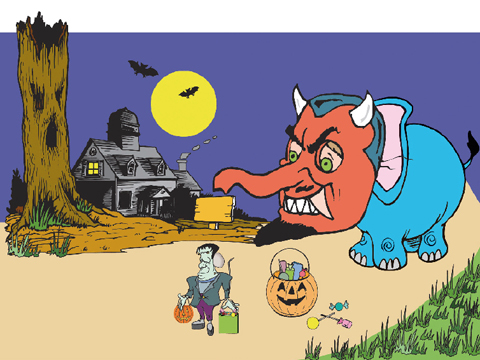
As they were walking home Mark noticed a scary old house. There was a light in one room and smoke was coming out the chimney. Mark looked terrified. “Perhaps if I don’t mention it, Kathleen won’t notice it,” he thought to himself. But he had no such luck. “Wow! Look at that scary old house. Let’s go and trick or treat in there!” she said.
They walked slowly up the garden path until eventually they reached the door. Kathleen knocked three times and they both started singing: “The sky is blue, the grass is green, have you got a penny for Halloween…” The door slowly opened but there was nobody inside. “That’s weird. Come on, let’s investigate,” said Kathleen.
In the living room they noticed a fireplace with a pitchfork beside it. A bat flapped around somewhere in the darkness. A bloody knife lay on the table. “Let’s get out of here Kathleen. This place is creepy,” Mark said. For once Kathleen agreed. They both started to run for the door, when a trapdoor opened up below them. Suddenly they were falling into the darkness…
(JOHN PHILLIPS, STAFF WRITER)
萬聖節當晚,馬克和凱薩琳正準備玩「不給糖就搗蛋」的遊戲。馬克說:「我不敢相信萬聖節又到了。」凱薩琳回答說:「我也是,但我很開心又到了這個時候。來吧,換上你的服裝,準備好好嚇嚇人吧!」
凱薩琳打扮成科學怪人,馬克則扮成小妖精。「我敢說我們是這附近打扮最嚇人的小孩了。」凱薩琳邊說邊點亮了她大南瓜裡的蠟燭。接下來幾個小時,他們挨家挨戶敲門,跟鄰居要糖果。結果他們要到的糖果多到不知道該怎麼處理才好。
回家途中,馬克發現了一棟恐怖的老房子。其中一間房裡的燈亮著,煙囪還冒著煙。馬克看起來害怕極了,他心想:「如果我不說,凱薩琳就不會注意到吧。」可惜他沒這麼幸運。她說:「哇!看那棟恐怖的老房子,我們去那裡玩不給糖就搗蛋吧!」
他們沿著花園小徑慢慢走向那棟房子,終於他們來到門口。凱薩琳敲了三下門後,兩人便開始唱起:「天空是藍色的,草地是綠色的,你有準備萬聖節的一分錢嗎…」門緩緩地打開,裡面卻沒有半個人。凱薩琳說:「真怪,走,我們進去一探究竟。」
進到客廳,他們看到壁爐旁有一支乾草叉。黑暗處有隻蝙蝠鼓翼盤旋。桌上有一把沾滿鮮血的刀子。馬克說:「我們快走吧,凱薩琳,這裡讓人覺得毛骨悚然。」就這一次,凱薩琳答應了。他們兩個開始衝向大門,這時他們腳下的一扇活板門突然打開,兩人瞬間跌入黑暗之中…
(翻譯:袁星塵)
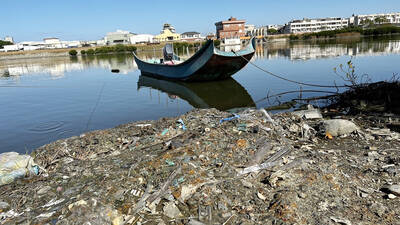
Many consumers are guilty of filling drawers or closets with old laptops, cellphones, fitness trackers and other electronic devices once they are no longer needed. It’s hard to know where to recycle such items, or it seems costly and inconvenient to do so. The world generates millions of tons of electronic waste — also called e-waste — each year. According to the UN’s most recent estimate, people worldwide produced 62 million metric tons of e-waste in 2022, and only about 22 percent of it was properly recycled. The US’ Environmental Protection Agency estimates that less than a quarter of e-waste is
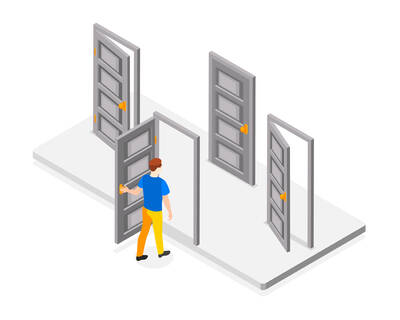
You’re sitting in class when a classmate asks to borrow a pencil. It seems like a small favor, so you agree without hesitation. The following week, the same classmate asks to share your notes. Later, they request help with a group project. You agree each time — after all, you helped out the first time — but before you know it, it has become automatic. This scenario demonstrates the “foot-in-the-door technique,” a psychological concept that shows how agreeing to small, acceptable demands makes it easier to accept larger ones later on. The name for this strategy comes from door-to-door

A: The four-day Tomb Sweeping Day long weekend begins Friday and will run until Monday. Are you going to sweep your ancestors’ tombs? B: I did in advance last weekend, so I can go to Kaohsiung to see the musical “The Phantom of the Opera.” A: Wow, is “Phantom” touring Taiwan again? It debuted in 1986, so this year marks the 40th anniversary of the show. B: And it’s not just touring Kaohsiung starting March 31, but also Taipei starting April 21 and Taichung starting May 26. A: “Phantom” is one of the world’s Four Major Musicals. I’ve seen all of them, except “Les

Dos & Don’ts — 想想看,這句話英語該怎麼說? 1. 我們很早到達電影院。 ˇ We arrived at the theater very early. χ We arrived the theater very early. 註︰arrive 為不及物動詞,後面如果有受詞要用 at 或 in。例如:They arrived in Taipei yesterday.。一般大地方,如國家、省、大城市等前面用 in,凡小地方城鎮、學校等則用 at。 2. 開車半小時以後,我們到達了海灘。 ˇ After half an hour’s drive, we got to the beach. χ After half an hour’s drive, we got the beach. 註︰come, go, get(來、去、到達)某地時,在表示地點的名詞前面應該用 to,如 go to school, go to Taipei, come to Shanghai 等。如果這些動詞後面所跟的是 here, there, home 等副詞,則不用 to。 3. 明天我會回辦公室。 ˇ I will be back in the office tomorrow. χ I will be back to office tomorrow. 註︰to be back 一語裡的 back 是副詞,不是介詞,所以後面要用 at (the market) 或 in (the office)。 假如假期結束,要回學校上課了則可說: ? Kids will be back


 RSS
RSS