


A US space probe successfully flew by Mercury earlier this month to photograph the Solar System’s smallest planet, in the second of three planned passes, the US space agency NASA said.
The spacecraft MESSENGER (MErcury Surface, Space ENvironment, GEochemistry and Ranging) flew past the innermost planet at an altitude of 201 kilometers at a speed of 23,818 kilometers per hour.
“Everything went according to plan,” said spokeswoman Helen Johnson of the Johns Hopkins University Applied Physics Laboratory, which is running the project.
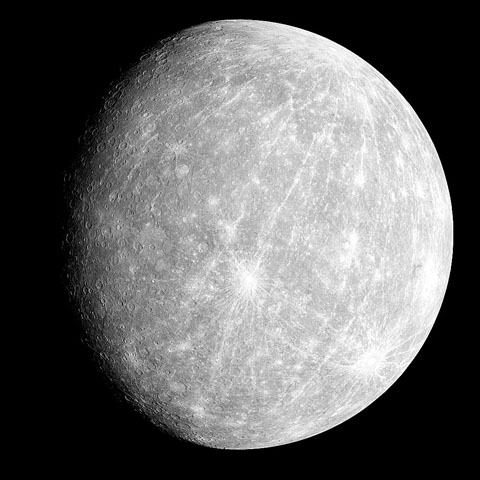
MESSENGER first flew past Mercury on Jan. 14 this year, and will make its final pass in Sept. 2009.
This month’s trip aims to investigate the opposite side of the planet to the one seen on the first visit, said Louise Prockter, instrument scientist for the spacecraft’s Mercury Dual Imaging System at the Johns Hopkins University.
Mercury is the closest of all the planets to the Sun, but because of the high risks of its proximity to the Sun, it is one of the most mysterious bodies in the solar system, even though it is relatively close to Earth.
(AFP)
美國航空暨太空總署NASA日前宣布,一架美國太空探測器本月稍早已成功地飛越水星上空,並拍攝到這個太陽系中最小行星的樣貌。
這艘太空船「信使號」(水星表面、太空環境、地球化學和測距的縮寫)飛越太陽系最內部的這顆行星上空時,飛行高度為兩百零一公里,每小時時速為兩萬三千八百一十八公里。
負責此計畫的約翰霍普金斯大學應用物理實驗室女發言人海倫.強森說:「一切都如預期般進行。」
信使號在今年元月十四日首次航經水星,並將於二OO九年九月最後一次進行此任務。
約翰霍普金斯大學負責這艘太空船的水星雙面影像系統的儀器科學家路易斯.波克特說,本月的行程旨在調查首次探勘水星時未見到的另一面。
水星是眾行星中最接近太陽的一顆,但因其接近太陽,探勘的風險也相當高;雖然它相對地鄰近地球,但它仍是太陽系中最神秘的星體之一。(法新社�翻譯:袁星塵)
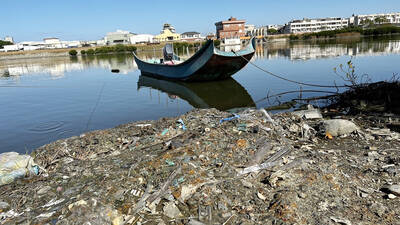
Many consumers are guilty of filling drawers or closets with old laptops, cellphones, fitness trackers and other electronic devices once they are no longer needed. It’s hard to know where to recycle such items, or it seems costly and inconvenient to do so. The world generates millions of tons of electronic waste — also called e-waste — each year. According to the UN’s most recent estimate, people worldwide produced 62 million metric tons of e-waste in 2022, and only about 22 percent of it was properly recycled. The US’ Environmental Protection Agency estimates that less than a quarter of e-waste is

You’re sitting in class when a classmate asks to borrow a pencil. It seems like a small favor, so you agree without hesitation. The following week, the same classmate asks to share your notes. Later, they request help with a group project. You agree each time — after all, you helped out the first time — but before you know it, it has become automatic. This scenario demonstrates the “foot-in-the-door technique,” a psychological concept that shows how agreeing to small, acceptable demands makes it easier to accept larger ones later on. The name for this strategy comes from door-to-door

A: The four-day Tomb Sweeping Day long weekend begins Friday and will run until Monday. Are you going to sweep your ancestors’ tombs? B: I did in advance last weekend, so I can go to Kaohsiung to see the musical “The Phantom of the Opera.” A: Wow, is “Phantom” touring Taiwan again? It debuted in 1986, so this year marks the 40th anniversary of the show. B: And it’s not just touring Kaohsiung starting March 31, but also Taipei starting April 21 and Taichung starting May 26. A: “Phantom” is one of the world’s Four Major Musicals. I’ve seen all of them, except “Les

Continued from yesterday(延續自昨日) https://www.taipeitimes.com/News/lang Gig Tripping “Gig tripping” combines concerts with travel. People fly to see their favorite artists perform — usually abroad—and spend a few days sightseeing before or after the show. While die-hard fans have done this since the 1960s, the post-pandemic travel boom changed the game. Even people who aren’t superfans are now booking international concert trips because they want to make the most of travel opportunities. This trend exploded in the US, as the math makes sense. Domestic concert tickets are so costly that flying abroad for the show plus tourism expenses often matches or even beats the price


 RSS
RSS