

歡迎閱讀《週末科學版》!我們每週五都要為你介紹可以在家中進行的有趣科學實驗。你可以在《科學日誌》中記錄自己做了哪些活動,這樣就可以將所學的記錄下來,比較這些結果,也許還可以利用它們來設計新的實驗!先看一下《科學日誌》的點子再開始吧。展開實驗之前,記得要獲得大人許可喔!


According to Isaac Newton, the 17th century physicist, “every action has an equal and opposite reaction.” This statement is known as Newton’s third law of motion, and is one of the foundations of modern physics. But what exactly does it mean?
Consider an everyday event liking sitting down on a chair. What forces do you think are at work? Of course there is the downward force of your bodyweight on the chair. You might even notice the chair creaking under your weight. But there is also an equal and opposite force at work — the force of the chair pushing you up. These kinds of action-reaction pairs exist all around you, and today we will conduct an experiment to illustrate how they work.
(JOHN PHILLIPS, STAFF WRITER)
十七世紀物理學家艾薩克.牛頓說過:「每個作用力都有一個大小相等、方向相反的反作用力」;這句話就是所謂的牛頓第三運動定律,也是現代物理學的基礎之一。但這句話到底是什麼意思?
就拿日常生活中「坐椅子」這件事來說,你覺得有哪些力量在作用?當然,你的體重會加諸椅子一個向下的作用力,你可能還會注意到承載你重量的椅子發出軋軋的聲響,但其實還有另外一股大小相等、方向相反的力在作用,那就是椅子把你往上推的作用力。這種類型的作用力和反作用力就存在於生活週遭,今天我們就要來進行一個實驗,讓你了解它們是如何運作。(翻譯:袁星塵)
METHODOLOGY 實驗方法
Step 1: Draw a 15cm by 8cm rectangle on the cardboard. Cut it out. Using the bottom of a cup, draw four circles on the other piece of cardboard. Cut them out.
Step 2: Inflate the balloon a few times and stretch it. This will make it easier to inflate later in the experiment.
Step 3: Tape the straw lengthways to the rectangular piece of cardboard. Attach the balloon to the angled end of the straw. Tape the connection airtight.
Step 4: Put a pin through the circles and stick them into the base of the rectangular piece of cardboard. These are the wheels. Make sure they are loose so they can roll smoothly.
Step 5: Take a deep breath and inflate the balloon. Squeeze the end of the straw shut to prevent air escaping.
Step 6: Set the car down on a flat surface and let the air out of the balloon.
步驟一:在紙板上畫一個長十五公分、寬八公分的長方形,把它剪下來。用杯底在另一張紙板上畫四個圓,再把它們剪下來。
步驟二:把氣球吹放幾次,再拉一拉。這個步驟可以讓氣球在後面的實驗中更容易充氣。
步驟三:用膠帶把吸管縱向黏在長方形硬紙板上,然後再用膠帶把氣球緊密封黏在吸管彎曲那端。
步驟四:把大頭針穿過圓形紙板,然後把它們固定在長方形硬紙板底部,這就是車子的輪子。確認它們沒固定得太緊,這樣輪子才能平順滾動。
步驟五:大力吸一口氣,然後把氣球吹脹;捏緊吸管末端,以免氣球裡的空氣逸出。
步驟六:把車子放在平坦的地方,再放手讓氣球放氣。
HOW IT WORKS 實驗原理
As Newton said, there is an equal and opposite reaction. The escaping air is the action; the car moving across the floor is the opposite reaction. The car moves because the escaping air pushes against air outside the balloon, which propels the car forward.
正如同牛頓所言,每個作用力都有一個大小相等、方向相反的反作用力。逸出的氣是作用力,而車子在地面上移動是反作用力。車子之所以會移動,是因為逸出的空氣推擠掉氣球外的空氣,而這作用的反作用力驅使車子前進。
EXTENSION 延伸知識
Experiment with the design of the car to maximize the distance of travel. Using last week’s principle of the scientific method, you should change only one variable at a time.
What effect do you think the following variables will have on the traveling distance?
The weight of the car.
The size of the wheels.
The size or number of balloons.
The shape of the car.
Add your own variables and study their effect on the result.
實驗哪種車子的設計可以讓車子移動的距離最遠。利用上週科學方法的原則,你每次只能改變一個操縱變因。
你覺得下列操縱變因中,何者會影響移動距離?
車子的重量;
輪子的尺寸;
氣球的尺寸或數量;
車子的形狀。
加入你自己的操縱變因,然後再看看它們對結果的影響。
REAL WORLD APPLICATION 現實生活中的應用
If you’ve ever seen a rifle being fired, you’ll know that they have a tendency to recoil. Recoil is a classic example of Newton’s third law of motion. The explosion of gunpowder inside the bullet causes the bullet to shoot out. The opposite reaction is the bullet pushing backwards on the rifle.
如果你曾看人拿來福槍射擊,你就會知道它們有後座力。後座力是牛頓第三運動定律的最佳範例,子彈內的火藥爆炸讓子彈發射出去,子彈的反作用力則把來福槍向後推動。
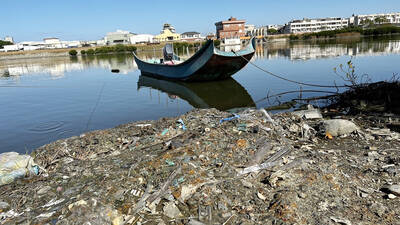
Many consumers are guilty of filling drawers or closets with old laptops, cellphones, fitness trackers and other electronic devices once they are no longer needed. It’s hard to know where to recycle such items, or it seems costly and inconvenient to do so. The world generates millions of tons of electronic waste — also called e-waste — each year. According to the UN’s most recent estimate, people worldwide produced 62 million metric tons of e-waste in 2022, and only about 22 percent of it was properly recycled. The US’ Environmental Protection Agency estimates that less than a quarter of e-waste is
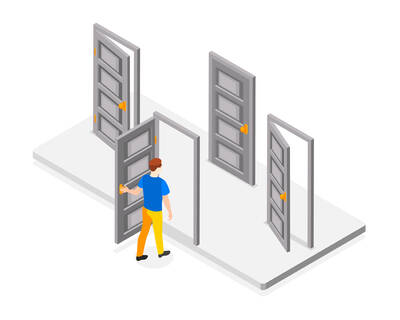
You’re sitting in class when a classmate asks to borrow a pencil. It seems like a small favor, so you agree without hesitation. The following week, the same classmate asks to share your notes. Later, they request help with a group project. You agree each time — after all, you helped out the first time — but before you know it, it has become automatic. This scenario demonstrates the “foot-in-the-door technique,” a psychological concept that shows how agreeing to small, acceptable demands makes it easier to accept larger ones later on. The name for this strategy comes from door-to-door
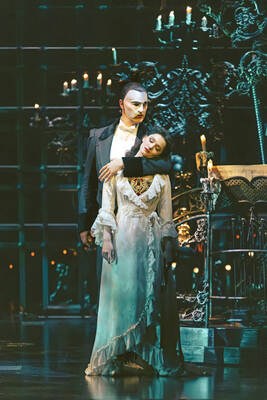
A: The four-day Tomb Sweeping Day long weekend begins Friday and will run until Monday. Are you going to sweep your ancestors’ tombs? B: I did in advance last weekend, so I can go to Kaohsiung to see the musical “The Phantom of the Opera.” A: Wow, is “Phantom” touring Taiwan again? It debuted in 1986, so this year marks the 40th anniversary of the show. B: And it’s not just touring Kaohsiung starting March 31, but also Taipei starting April 21 and Taichung starting May 26. A: “Phantom” is one of the world’s Four Major Musicals. I’ve seen all of them, except “Les
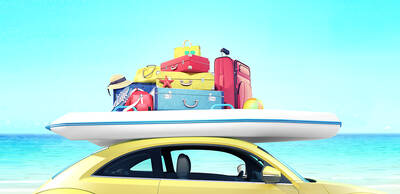
Dos & Don’ts — 想想看,這句話英語該怎麼說? 1. 我們很早到達電影院。 ˇ We arrived at the theater very early. χ We arrived the theater very early. 註︰arrive 為不及物動詞,後面如果有受詞要用 at 或 in。例如:They arrived in Taipei yesterday.。一般大地方,如國家、省、大城市等前面用 in,凡小地方城鎮、學校等則用 at。 2. 開車半小時以後,我們到達了海灘。 ˇ After half an hour’s drive, we got to the beach. χ After half an hour’s drive, we got the beach. 註︰come, go, get(來、去、到達)某地時,在表示地點的名詞前面應該用 to,如 go to school, go to Taipei, come to Shanghai 等。如果這些動詞後面所跟的是 here, there, home 等副詞,則不用 to。 3. 明天我會回辦公室。 ˇ I will be back in the office tomorrow. χ I will be back to office tomorrow. 註︰to be back 一語裡的 back 是副詞,不是介詞,所以後面要用 at (the market) 或 in (the office)。 假如假期結束,要回學校上課了則可說: ? Kids will be back


 RSS
RSS