


Graffiti impresario Banksy and a group of airbrush-wielding guerrilla artists blanketed the walls of a disused south London tunnel with offbeat murals earlier this month.
The subversive British tagger turned art-house sensation marshaled more than three dozen international artists for what he is calling the Cans Festival.
“I’m hoping we can transform a dark forgotten filth pit into an oasis of beautiful art — in a dark forgotten filth pit,” Banksy said.
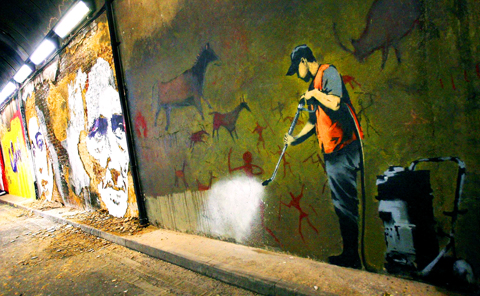
PHOTO: EPA
Festival spokeswoman Jo Brooks said Cans features at least one work from 40 international artists and collectives which sport names such as Bandit, Schhh and Pure Evil. The festival’s name is a play on the famous French film extravaganza Cannes.
Among Banksy’s pieces are security cameras growing from a tree, a hooded figure cutting itself with a knife and a worker spraying over ancient cave drawings, Brooks said.
Another work depicts the pope pushing down his fluttering robes in an imitation of Marilyn Monroe by Norwegian artist Dolk.
The exhibition was approved by Eurostar, which manages the site. It’s a sign of how far the Bristol-raised artist — who has refused to give his real name — has come since he began his graffiti career in the 1980s and 1990s.
Most of Banksy’s paintings had a wickedly ironic and a strongly anti-authoritarian bent. (His tag of two uniformed policemen locked in a passionate kiss is a longtime favorite). Most of it also was quickly removed.
The Cans Festival, which was free, encouraged visitors to contribute their own art to the exhibit. There were some rules, albeit firmly tongue-in-cheek.
“Painting outside the designated area may well result in prosecution,” the festival’s Web site warned.(AP)
本月初,塗鴉活動主辦者班克希和許多游擊噴漆藝術家在倫敦南部一條荒廢隧道的牆面上,畫滿了各式特別的塗鴉壁畫。
英國籍的班克希原本只是個愛搞顛覆的簽名塗鴉客,後來搖身一變成為藝術界的寵兒;這次他集結了超過三十六位國際藝術家參與這場所謂的「噴漆罐節」。
班克希說:「我希望我們能將一個被人遺忘的黑暗骯髒隧道改造成一處美麗的藝術綠洲。」
該活動女發言人裘.布魯克絲說,參加「噴漆罐節」的四十位國際藝術家每人至少都會創作一幅作品;另外,一些取名如「土匪」、「噓」和「純潔的邪惡」的畫作也是該藝術節的特色之一。該藝術節名稱是詼諧地改編自法國著名的坎城(Cannes)影展。
班克希說,他這次的作品包括一棵長了監視攝影機的樹、一個帶著頭巾、拿刀切自己的人形,以及一個噴抹古老壁畫的工人。
另一幅挪威藝術家朵克的作品中,則描繪了教宗搞笑模仿瑪莉蓮.夢露用手下壓自己飄揚的袍子的動作。
經管理單位「歐洲之星」核准舉辦的這場展覽也象徵塗鴉大師班克希一路走來的歷程,這位在布里斯托出生、不願透露真實姓名的藝術家,自一九八0、一九九0年代起便開始塗鴉生涯。
他的作品多帶有惡作劇式的嘲諷和強烈反權威主義的味道(他有一幅兩個穿著制服的警察深情擁吻的塗鴉長期以來廣受喜愛),且多在短時間內就被清除。
「噴漆罐節」免費開放民眾參觀,並鼓勵參觀民眾加入創作;雖然有些規定,但都是開玩笑的。
該藝術節官網上警告:「在指定區外塗鴉可能觸法。」(美聯社�翻譯:袁星塵)
tagger 簽名塗鴉客 A tagger is somebody who makes a tag, which is an artist’s signature and is usually made using spray paint or a marker and done in one color. A tag is the most basic form of graffiti. The term tagger is usually reserved for those who only make tags. A throwup is more difficult to make than a tag. It consists of a name painted using bubble letters. Typically two colors are used to make a throwup. A piece, which is short for masterpiece, is a graffiti painting. It’s much more complicated than a throwup or a tag. 「tagger」就是留下「tag」的人,而「tag」通常是噴漆藝術家用噴漆或是馬克筆留下的單色簽名,「tag」是最基本的塗鴉形式;「tagger」這個字通常用來指稱那些只會留下簽名的塗鴉客。 「throwup(快速塗鴉)」比「tag」更難畫,這種塗鴉通常會使用泡泡字體,典型的快速塗鴉只使用兩種顏色。 「piece」是「masterpiece」的縮寫,是一種比 「throwup」或「tag」還要複雜許多的塗鴉畫作。
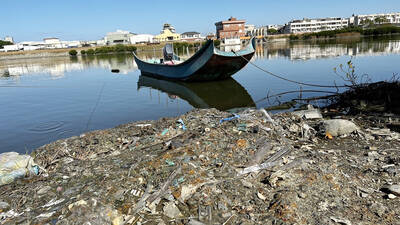
Many consumers are guilty of filling drawers or closets with old laptops, cellphones, fitness trackers and other electronic devices once they are no longer needed. It’s hard to know where to recycle such items, or it seems costly and inconvenient to do so. The world generates millions of tons of electronic waste — also called e-waste — each year. According to the UN’s most recent estimate, people worldwide produced 62 million metric tons of e-waste in 2022, and only about 22 percent of it was properly recycled. The US’ Environmental Protection Agency estimates that less than a quarter of e-waste is
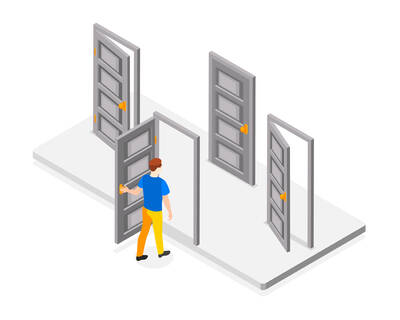
You’re sitting in class when a classmate asks to borrow a pencil. It seems like a small favor, so you agree without hesitation. The following week, the same classmate asks to share your notes. Later, they request help with a group project. You agree each time — after all, you helped out the first time — but before you know it, it has become automatic. This scenario demonstrates the “foot-in-the-door technique,” a psychological concept that shows how agreeing to small, acceptable demands makes it easier to accept larger ones later on. The name for this strategy comes from door-to-door
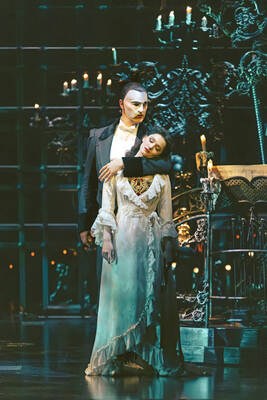
A: The four-day Tomb Sweeping Day long weekend begins Friday and will run until Monday. Are you going to sweep your ancestors’ tombs? B: I did in advance last weekend, so I can go to Kaohsiung to see the musical “The Phantom of the Opera.” A: Wow, is “Phantom” touring Taiwan again? It debuted in 1986, so this year marks the 40th anniversary of the show. B: And it’s not just touring Kaohsiung starting March 31, but also Taipei starting April 21 and Taichung starting May 26. A: “Phantom” is one of the world’s Four Major Musicals. I’ve seen all of them, except “Les

Dos & Don’ts — 想想看,這句話英語該怎麼說? 1. 我們很早到達電影院。 ˇ We arrived at the theater very early. χ We arrived the theater very early. 註︰arrive 為不及物動詞,後面如果有受詞要用 at 或 in。例如:They arrived in Taipei yesterday.。一般大地方,如國家、省、大城市等前面用 in,凡小地方城鎮、學校等則用 at。 2. 開車半小時以後,我們到達了海灘。 ˇ After half an hour’s drive, we got to the beach. χ After half an hour’s drive, we got the beach. 註︰come, go, get(來、去、到達)某地時,在表示地點的名詞前面應該用 to,如 go to school, go to Taipei, come to Shanghai 等。如果這些動詞後面所跟的是 here, there, home 等副詞,則不用 to。 3. 明天我會回辦公室。 ˇ I will be back in the office tomorrow. χ I will be back to office tomorrow. 註︰to be back 一語裡的 back 是副詞,不是介詞,所以後面要用 at (the market) 或 in (the office)。 假如假期結束,要回學校上課了則可說: ? Kids will be back


 RSS
RSS