


A completely white baby kangaroo was born to a couple of red kangaroos at a zoo in Buenos Aires. The albino kangaroo is a big hit with visitors. They walk past where the kangaroos live to get a look at the young kangaroo in its mother's pouch.
The pair of red kangaroos arrived at the zoo in July 2004. They gave birth to the white kangaroo and to another with gray fur.
People who work at the zoo say the kangaroos have adapted very well to their new home. Argentina has a climate similar to Australia's, and the kangaroos' pen was specially designed. So the kangaroos feel comfortable.
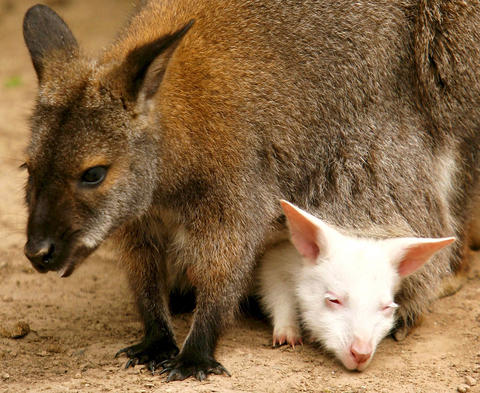
Baby kangaroos spend about 30 days inside their mothers. Afterwards they spend seven to 10 months in their mother's pouch. The amount of time they spend outside their mother's pouch gradually increases until they're fully independent.
(Staff Writer, with AFP)
阿根廷布宜諾斯艾利斯動物園裡的一對紅袋鼠產下一隻全白的小袋鼠。這隻白化的小袋鼠吸引了很多遊客前往觀賞。他們通過袋鼠區,去看這隻在袋鼠媽媽育兒袋裡的小袋鼠。
這一對紅袋鼠在二○○四年七月被送到這個動物園。牠們產下了一隻白化小袋鼠和一隻灰毛的小袋鼠。
動物園工作人員表示,這對紅袋鼠對新環境適應良好。因為阿根廷的氣候和澳洲相似,袋鼠的欄舍也是經過特別設計,所以牠們感到很舒適。
小袋鼠會在母體內待將近三十天,然後在媽媽的育兒袋裡待七到十個月。牠們待在媽媽育兒袋外的時間會慢慢地增加,直到牠們能夠完全獨立生活。
(法新社/翻譯:楊鴻泰)
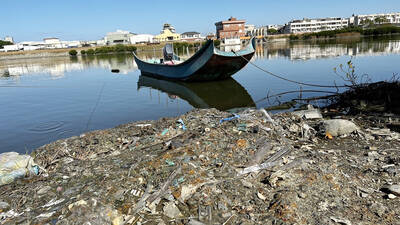
Many consumers are guilty of filling drawers or closets with old laptops, cellphones, fitness trackers and other electronic devices once they are no longer needed. It’s hard to know where to recycle such items, or it seems costly and inconvenient to do so. The world generates millions of tons of electronic waste — also called e-waste — each year. According to the UN’s most recent estimate, people worldwide produced 62 million metric tons of e-waste in 2022, and only about 22 percent of it was properly recycled. The US’ Environmental Protection Agency estimates that less than a quarter of e-waste is
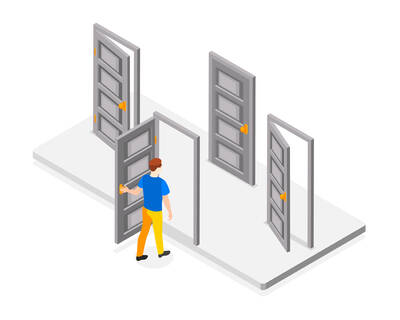
You’re sitting in class when a classmate asks to borrow a pencil. It seems like a small favor, so you agree without hesitation. The following week, the same classmate asks to share your notes. Later, they request help with a group project. You agree each time — after all, you helped out the first time — but before you know it, it has become automatic. This scenario demonstrates the “foot-in-the-door technique,” a psychological concept that shows how agreeing to small, acceptable demands makes it easier to accept larger ones later on. The name for this strategy comes from door-to-door

A: The four-day Tomb Sweeping Day long weekend begins Friday and will run until Monday. Are you going to sweep your ancestors’ tombs? B: I did in advance last weekend, so I can go to Kaohsiung to see the musical “The Phantom of the Opera.” A: Wow, is “Phantom” touring Taiwan again? It debuted in 1986, so this year marks the 40th anniversary of the show. B: And it’s not just touring Kaohsiung starting March 31, but also Taipei starting April 21 and Taichung starting May 26. A: “Phantom” is one of the world’s Four Major Musicals. I’ve seen all of them, except “Les

Dos & Don’ts — 想想看,這句話英語該怎麼說? 1. 我們很早到達電影院。 ˇ We arrived at the theater very early. χ We arrived the theater very early. 註︰arrive 為不及物動詞,後面如果有受詞要用 at 或 in。例如:They arrived in Taipei yesterday.。一般大地方,如國家、省、大城市等前面用 in,凡小地方城鎮、學校等則用 at。 2. 開車半小時以後,我們到達了海灘。 ˇ After half an hour’s drive, we got to the beach. χ After half an hour’s drive, we got the beach. 註︰come, go, get(來、去、到達)某地時,在表示地點的名詞前面應該用 to,如 go to school, go to Taipei, come to Shanghai 等。如果這些動詞後面所跟的是 here, there, home 等副詞,則不用 to。 3. 明天我會回辦公室。 ˇ I will be back in the office tomorrow. χ I will be back to office tomorrow. 註︰to be back 一語裡的 back 是副詞,不是介詞,所以後面要用 at (the market) 或 in (the office)。 假如假期結束,要回學校上課了則可說: ? Kids will be back


 RSS
RSS