


In the beginning of July, Kent Couch got some snacks and a parachute. He sat down in his lawn chair. Attached to his lawn chair were 105 large helium balloons.
Couch used an instrument to tell him how high he was. He had four bags full of water. He could release the water to rise. With these things, Couch headed into the Oregon sky.
Nearly nine hours later, the 47-year-old landed in a farmer's field. He was about 310 kilometers from home.
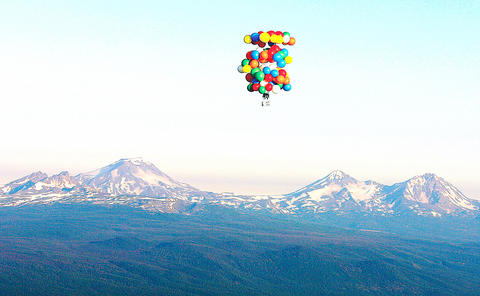
PHOTO: AP
"When you're a little kid and you're holding a helium balloon, it has to cross your mind,'' Couch said.
Couch said he could hear cows and children. He even passed through clouds.
"It was beautiful,'' he told KTVZ-TV.
Couch stopped when he was down to 3.7 liters of water.
He popped enough balloons to land. When he jumped out, the wind grabbed the remaining balloons. His video recorder and chair flew away.
七月初,肯特.考區拿了些點心與一只降落傘。他坐在草坪椅上,椅子繫著一百零五顆灌滿氦氣的大氣球。
考區運用一只儀器來分辨自己飛得多高。他有四個裝滿水的袋子,想昇高就把水放掉。藉由這些配備,考區飛入了奧勒岡州高空。
大約九個小時後,四十七歲的考區在一個農地降落。他已離家三百一十公里左右。
考區說︰「當你還是孩子時,手裡拿著一個氦氣球,就會萌生這種念頭。」
他說自己聽見母牛與孩子的聲音,甚至還穿越了幾朵白雲。
他對KTVZ電視台說︰「實在美極了。」
考區用完了三點七公升的水,就停止旅程。
為了降落,他戳破了好幾個氣球。當他跳出來時,風捲走了剩下的氣球,他的攝影機與草坪椅也隨風飛逝了。 (翻譯︰賴美君)
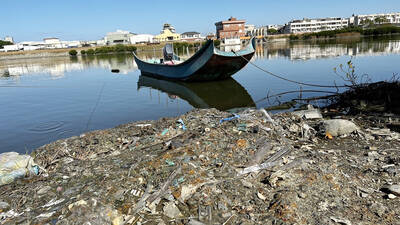
Many consumers are guilty of filling drawers or closets with old laptops, cellphones, fitness trackers and other electronic devices once they are no longer needed. It’s hard to know where to recycle such items, or it seems costly and inconvenient to do so. The world generates millions of tons of electronic waste — also called e-waste — each year. According to the UN’s most recent estimate, people worldwide produced 62 million metric tons of e-waste in 2022, and only about 22 percent of it was properly recycled. The US’ Environmental Protection Agency estimates that less than a quarter of e-waste is
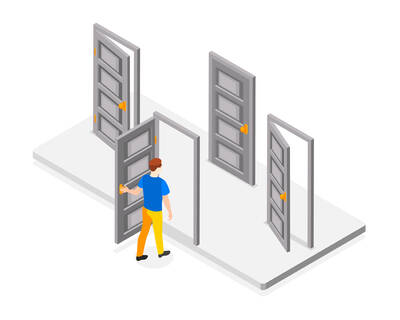
You’re sitting in class when a classmate asks to borrow a pencil. It seems like a small favor, so you agree without hesitation. The following week, the same classmate asks to share your notes. Later, they request help with a group project. You agree each time — after all, you helped out the first time — but before you know it, it has become automatic. This scenario demonstrates the “foot-in-the-door technique,” a psychological concept that shows how agreeing to small, acceptable demands makes it easier to accept larger ones later on. The name for this strategy comes from door-to-door

A: The four-day Tomb Sweeping Day long weekend begins Friday and will run until Monday. Are you going to sweep your ancestors’ tombs? B: I did in advance last weekend, so I can go to Kaohsiung to see the musical “The Phantom of the Opera.” A: Wow, is “Phantom” touring Taiwan again? It debuted in 1986, so this year marks the 40th anniversary of the show. B: And it’s not just touring Kaohsiung starting March 31, but also Taipei starting April 21 and Taichung starting May 26. A: “Phantom” is one of the world’s Four Major Musicals. I’ve seen all of them, except “Les
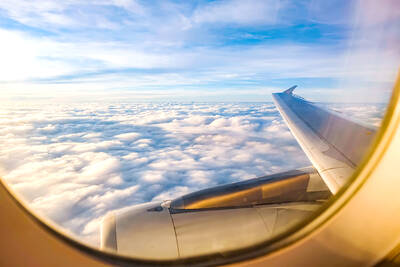
Continued from yesterday(延續自昨日) https://www.taipeitimes.com/News/lang Gig Tripping “Gig tripping” combines concerts with travel. People fly to see their favorite artists perform — usually abroad—and spend a few days sightseeing before or after the show. While die-hard fans have done this since the 1960s, the post-pandemic travel boom changed the game. Even people who aren’t superfans are now booking international concert trips because they want to make the most of travel opportunities. This trend exploded in the US, as the math makes sense. Domestic concert tickets are so costly that flying abroad for the show plus tourism expenses often matches or even beats the price


 RSS
RSS