


A squid as long as a bus and weighing 250kg has washed up on an Australian beach.
"It is a whopper,'' said Genefor Walker-Smith, a zoologist from the Tasmanian Museum.
Giant squid live in waters off southern Australia and New Zealand. Sperm whales like to eat the giant squid.
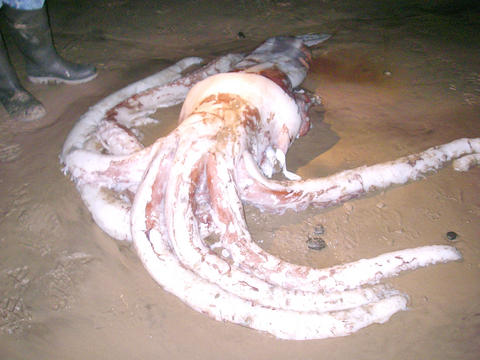
PHOTO: AP
The dead squid measures 1m across at its widest point and 8m from the tip of its body to the end of its tentacles. It was found by a beachcomber on Tasmania's west coast, the museum said.
The squid was expected to be taken to the museum. DNA and other scientific tests will be carried out before it is preserved. It will possibly be put on public display.
And for anyone thinking of a squid feast, Walker-Smith said giant squid contain high levels of ammonia in their bodies to help them float.
"It would not taste very nice at all,'' she said.
一條跟巴士一樣長、重達兩百五十公斤的大王魷魚,被沖刷到了澳洲一處海灘。
塔斯馬尼亞博物館的動物學家吉奈佛.沃克史密絲說︰「牠簡直是龐然大物。」
「大王魷魚」生長在南澳與紐西蘭海岸旁,是抹香鯨喜歡的食物。
這隻已魂歸西天的魷魚寬達一公尺,身體頂端到觸角的長度更長達八公尺。博物館表示,塔斯馬尼亞西岸一名海灘拾荒者發現了牠。
這條魷魚將被送往塔斯馬尼亞博物館,先進行DNA 與其他科學檢驗,再製成標本,也可能會公開展示。
對於想吃魷魚大餐的人,沃克史密絲說大王魷魚體內含有高成分的氨水,才能漂浮起來。
她說︰「牠的風味可能不佳。」(美聯社/翻譯︰賴美君)
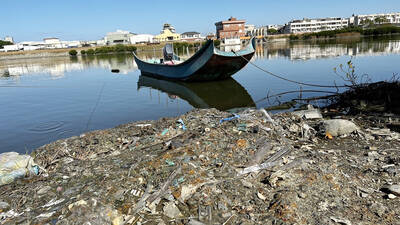
Many consumers are guilty of filling drawers or closets with old laptops, cellphones, fitness trackers and other electronic devices once they are no longer needed. It’s hard to know where to recycle such items, or it seems costly and inconvenient to do so. The world generates millions of tons of electronic waste — also called e-waste — each year. According to the UN’s most recent estimate, people worldwide produced 62 million metric tons of e-waste in 2022, and only about 22 percent of it was properly recycled. The US’ Environmental Protection Agency estimates that less than a quarter of e-waste is
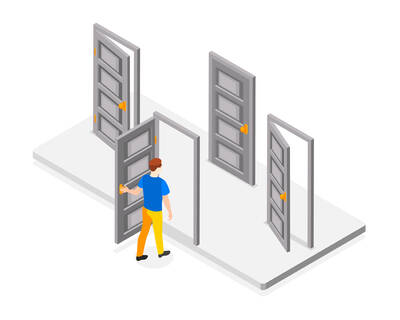
You’re sitting in class when a classmate asks to borrow a pencil. It seems like a small favor, so you agree without hesitation. The following week, the same classmate asks to share your notes. Later, they request help with a group project. You agree each time — after all, you helped out the first time — but before you know it, it has become automatic. This scenario demonstrates the “foot-in-the-door technique,” a psychological concept that shows how agreeing to small, acceptable demands makes it easier to accept larger ones later on. The name for this strategy comes from door-to-door

A: The four-day Tomb Sweeping Day long weekend begins Friday and will run until Monday. Are you going to sweep your ancestors’ tombs? B: I did in advance last weekend, so I can go to Kaohsiung to see the musical “The Phantom of the Opera.” A: Wow, is “Phantom” touring Taiwan again? It debuted in 1986, so this year marks the 40th anniversary of the show. B: And it’s not just touring Kaohsiung starting March 31, but also Taipei starting April 21 and Taichung starting May 26. A: “Phantom” is one of the world’s Four Major Musicals. I’ve seen all of them, except “Les
Dos & Don’ts — 想想看,這句話英語該怎麼說? 1. 我們很早到達電影院。 ˇ We arrived at the theater very early. χ We arrived the theater very early. 註︰arrive 為不及物動詞,後面如果有受詞要用 at 或 in。例如:They arrived in Taipei yesterday.。一般大地方,如國家、省、大城市等前面用 in,凡小地方城鎮、學校等則用 at。 2. 開車半小時以後,我們到達了海灘。 ˇ After half an hour’s drive, we got to the beach. χ After half an hour’s drive, we got the beach. 註︰come, go, get(來、去、到達)某地時,在表示地點的名詞前面應該用 to,如 go to school, go to Taipei, come to Shanghai 等。如果這些動詞後面所跟的是 here, there, home 等副詞,則不用 to。 3. 明天我會回辦公室。 ˇ I will be back in the office tomorrow. χ I will be back to office tomorrow. 註︰to be back 一語裡的 back 是副詞,不是介詞,所以後面要用 at (the market) 或 in (the office)。 假如假期結束,要回學校上課了則可說: ? Kids will be back


 RSS
RSS