


There are 17 different types of penguin. The one in the picture is called an Emperor Penguin.
The emperor penguin is the biggest and heaviest of the penguins. They live in Antarctica. They are the only penguins to lay their eggs in winter.
After the mom has laid her egg she carefully gives it to the dad. The dad keeps the egg warm in a special pouch. The pouch is at the top of his feet. The moms then go 80km away to the sea to catch food.
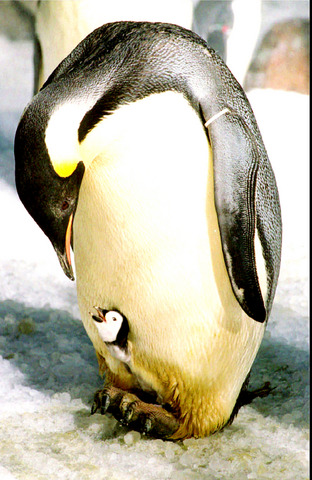
PHOTO: AP
All the dads huddle together to keep warm. They take turns at being on the outside and the inside. The dads don't eat while the mom is away. They sleep a lot to save their energy.
The moms come back after more than two months. They take the egg back and then the dads go to get food.
When the eggs hatch, the parents feed it with food from their stomachs, just like in the picture.
Scientists are worried about the Emperor Penguins because there are fewer and fewer each year. They think this is because of global warming.
(Catherine Thomas, staff writer)
世界上有十七種企鵝,照片中的企鵝是「皇帝企鵝」。
皇帝企鵝是最大型、最胖的企鵝品種。牠們住在南極,是唯一在冬季產卵的企鵝。
母企鵝產卵後,會小心翼翼把卵交給雄企鵝。企鵝爹地會將卵放在牠特殊的育兒袋內保暖。育兒袋位於牠足部上方。母企鵝則步行八十公里,到海邊覓食。
所有企鵝爹地會聚在一起取暖,輪流站在中間或外圍。母企鵝離家時,企鵝爹地不會吃東西,但牠們睡很多來節省精力。
母企鵝在兩個多月後返家。牠們將卵取回,再換爹地去覓食。
卵孵化成功後,企鵝父母會以肚裡的食物餵食幼企鵝,如同這張照片一樣。
科學家為皇帝企鵝憂心,因為每年數量都在減少。科學家認為這要歸究於全球暖化。 (翻譯:賴美君)
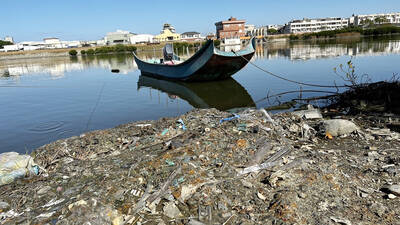
Many consumers are guilty of filling drawers or closets with old laptops, cellphones, fitness trackers and other electronic devices once they are no longer needed. It’s hard to know where to recycle such items, or it seems costly and inconvenient to do so. The world generates millions of tons of electronic waste — also called e-waste — each year. According to the UN’s most recent estimate, people worldwide produced 62 million metric tons of e-waste in 2022, and only about 22 percent of it was properly recycled. The US’ Environmental Protection Agency estimates that less than a quarter of e-waste is
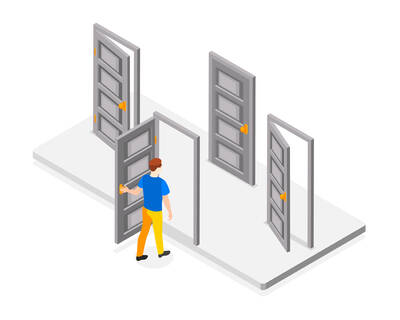
You’re sitting in class when a classmate asks to borrow a pencil. It seems like a small favor, so you agree without hesitation. The following week, the same classmate asks to share your notes. Later, they request help with a group project. You agree each time — after all, you helped out the first time — but before you know it, it has become automatic. This scenario demonstrates the “foot-in-the-door technique,” a psychological concept that shows how agreeing to small, acceptable demands makes it easier to accept larger ones later on. The name for this strategy comes from door-to-door

A: The four-day Tomb Sweeping Day long weekend begins Friday and will run until Monday. Are you going to sweep your ancestors’ tombs? B: I did in advance last weekend, so I can go to Kaohsiung to see the musical “The Phantom of the Opera.” A: Wow, is “Phantom” touring Taiwan again? It debuted in 1986, so this year marks the 40th anniversary of the show. B: And it’s not just touring Kaohsiung starting March 31, but also Taipei starting April 21 and Taichung starting May 26. A: “Phantom” is one of the world’s Four Major Musicals. I’ve seen all of them, except “Les
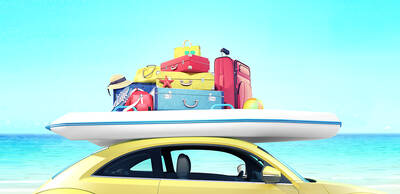
Dos & Don’ts — 想想看,這句話英語該怎麼說? 1. 我們很早到達電影院。 ˇ We arrived at the theater very early. χ We arrived the theater very early. 註︰arrive 為不及物動詞,後面如果有受詞要用 at 或 in。例如:They arrived in Taipei yesterday.。一般大地方,如國家、省、大城市等前面用 in,凡小地方城鎮、學校等則用 at。 2. 開車半小時以後,我們到達了海灘。 ˇ After half an hour’s drive, we got to the beach. χ After half an hour’s drive, we got the beach. 註︰come, go, get(來、去、到達)某地時,在表示地點的名詞前面應該用 to,如 go to school, go to Taipei, come to Shanghai 等。如果這些動詞後面所跟的是 here, there, home 等副詞,則不用 to。 3. 明天我會回辦公室。 ˇ I will be back in the office tomorrow. χ I will be back to office tomorrow. 註︰to be back 一語裡的 back 是副詞,不是介詞,所以後面要用 at (the market) 或 in (the office)。 假如假期結束,要回學校上課了則可說: ? Kids will be back


 RSS
RSS