


A shark that bit down on an Australian diver's head and half-swallowed him probably mistook the man for a seal and may have spat him out because he tasted bad, experts said.
Abalone diver Eric Nerhus is lucky to be alive after a three-meter shark, believed to be a great white, trapped him in its powerful jaws, crushing his face-mask, breaking his nose and lacerating his torso, they said.
Nerhus' head, left arm and torso were inside the shark's mouth when he used his free right arm to punch the shark and stab it in the eye with his chisel until it released him, witnesses and officials said.
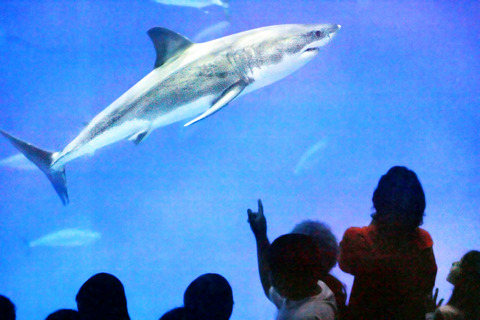
PHOTO: AP/KAT WADE, SAN FRANCISCO CHRONICLE
But experts said the fish probably mistook the diver for one of its regular snacks, a seal, and some said the big fish may have been disappointed with its unappetizing catch.
"Normally they feed on seals and things like that, so it's bitten in on this guy thinking he's a seal," said Sydney Aquarium shark specialist Grant Willis.
"(He) didn't taste anything like a seal — sort of a bit bony and horrible and nothing like a seal at all — so (it) possibly spat (him) back out," he said.
The diver was wearing a black wetsuit, which specialists say make sharks confuse humans for seals but which do little to enhance the flavor of their unwitting prey.
Willis also said that accounts of the attack showed that fighting back against a shark could save the lives of victims.
"There's a lot to be said for punching (sharks) in the nose or poking them in the eye. It certainly would work," Willis said. (AFP)
一尾鯊魚咬住一名澳洲潛水夫的頭,差點把他吞噬,專家指出,鯊魚可能把他誤認為海豹,也可能因胃口不合把他吐了出來。
據信為大白鯊的三尺長鯊魚齜牙咧嘴將採集鮑魚的潛水夫艾瑞克.納胡斯咬住後,嚼碎他的面罩,咬斷他鼻子,撕裂他上半身;他幸運生還。
目擊者與警方表示,當納胡斯的頭、左手臂與上半身被鯊魚嘴吞入時,他以可活動的右手打鯊魚,用鑿子刺鯊魚眼,直到鯊魚放了他為止。
不過專家指出,鯊魚可能將潛水夫誤認為牠平時的點心「海豹」,也有專家說大鯊魚可能因為獵物不對味而感到失望。
雪梨水族館的鯊魚專家葛蘭特.威利斯說︰「鯊魚通常會吃海豹等生物,所以鯊魚以為那名男子是海豹就咬住他。」
他說︰「男子嚐起來跟海豹不同,有點骨感、噁心,一點都不像海豹—所以鯊魚就把他吐出來了。」
那名潛水夫身穿黑色潛水裝,專家說鯊魚因此將人類與海豹混淆,但潛水裝並未增添這些渾然不覺的獵物之風味。
威利斯也指出,鯊魚攻擊事件顯示,向鯊魚反擊可以救受害者性命。
威利斯說︰「攻擊鯊魚鼻或戳鯊魚眼有很多好處。絕對有效。」 (法新社/翻譯:賴美君)
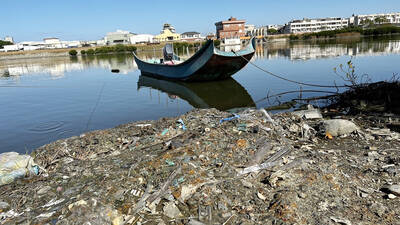
Many consumers are guilty of filling drawers or closets with old laptops, cellphones, fitness trackers and other electronic devices once they are no longer needed. It’s hard to know where to recycle such items, or it seems costly and inconvenient to do so. The world generates millions of tons of electronic waste — also called e-waste — each year. According to the UN’s most recent estimate, people worldwide produced 62 million metric tons of e-waste in 2022, and only about 22 percent of it was properly recycled. The US’ Environmental Protection Agency estimates that less than a quarter of e-waste is
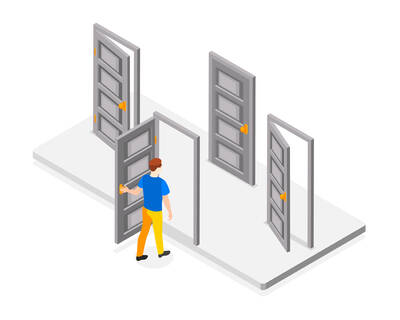
You’re sitting in class when a classmate asks to borrow a pencil. It seems like a small favor, so you agree without hesitation. The following week, the same classmate asks to share your notes. Later, they request help with a group project. You agree each time — after all, you helped out the first time — but before you know it, it has become automatic. This scenario demonstrates the “foot-in-the-door technique,” a psychological concept that shows how agreeing to small, acceptable demands makes it easier to accept larger ones later on. The name for this strategy comes from door-to-door

A: The four-day Tomb Sweeping Day long weekend begins Friday and will run until Monday. Are you going to sweep your ancestors’ tombs? B: I did in advance last weekend, so I can go to Kaohsiung to see the musical “The Phantom of the Opera.” A: Wow, is “Phantom” touring Taiwan again? It debuted in 1986, so this year marks the 40th anniversary of the show. B: And it’s not just touring Kaohsiung starting March 31, but also Taipei starting April 21 and Taichung starting May 26. A: “Phantom” is one of the world’s Four Major Musicals. I’ve seen all of them, except “Les
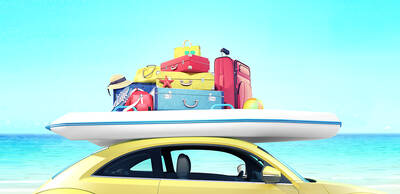
Dos & Don’ts — 想想看,這句話英語該怎麼說? 1. 我們很早到達電影院。 ˇ We arrived at the theater very early. χ We arrived the theater very early. 註︰arrive 為不及物動詞,後面如果有受詞要用 at 或 in。例如:They arrived in Taipei yesterday.。一般大地方,如國家、省、大城市等前面用 in,凡小地方城鎮、學校等則用 at。 2. 開車半小時以後,我們到達了海灘。 ˇ After half an hour’s drive, we got to the beach. χ After half an hour’s drive, we got the beach. 註︰come, go, get(來、去、到達)某地時,在表示地點的名詞前面應該用 to,如 go to school, go to Taipei, come to Shanghai 等。如果這些動詞後面所跟的是 here, there, home 等副詞,則不用 to。 3. 明天我會回辦公室。 ˇ I will be back in the office tomorrow. χ I will be back to office tomorrow. 註︰to be back 一語裡的 back 是副詞,不是介詞,所以後面要用 at (the market) 或 in (the office)。 假如假期結束,要回學校上課了則可說: ? Kids will be back


 RSS
RSS