


The animal in this picture is called an okapi. Okapis come from a rain forest in the African country of the Congo. The okapi's stripes might make you think it is related to the zebra, but in fact it is a relative of the giraffe.
Just like the giraffe, okapis have long, blue tongues. Their tongues are very flexible, long and useful. Okapis' tongues are used to pull leaves off trees and into their mouths. An okapi's tongue is 30cm long. Okapis tongues are so long that they use them to clean their eyes and their ears. How many animals can you think of that can touch their tongues to their ears?
Okapis live in zoos all over the world. However, in their African home, the forest where okapis live is getting smaller and smaller. This is a very dangerous situation for the okapis, but there is good news. An okapi has been seen in a national park in the Congo, where one has not been seen for 47 years! (Kayleen hartman, staff writer)
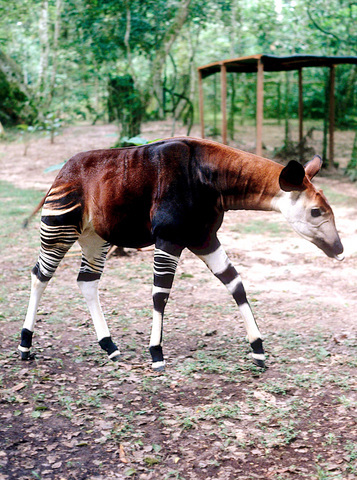
PHOTO : EPA
照片中的動物叫做「歐加皮鹿」,來自非洲國家剛果的雨林,身上的條紋可能會讓人以為牠和斑馬有親緣關係,但牠實際上是長頸鹿的近親。
歐加皮鹿跟長頸鹿一樣有藍色的長舌頭,牠們的長舌頭極具延展性又實用,可用來將樹葉拔落後放進嘴裡。歐加皮鹿的舌頭有三十公分長,長到能用來清潔自己的眼睛和耳朵。你能想到有多少動物的舌頭能碰到自己耳朵?
世界各地的動物園裡都有歐加皮鹿的身影,然而牠們在家鄉非洲居住的森林面積卻愈來愈小,歐加皮鹿的處境很危險,不過,好消息是,四十七年不見歐加皮鹿蹤影的剛果國家公園又再現鹿蹤。 (翻譯:鄭湘儀)

Many consumers are guilty of filling drawers or closets with old laptops, cellphones, fitness trackers and other electronic devices once they are no longer needed. It’s hard to know where to recycle such items, or it seems costly and inconvenient to do so. The world generates millions of tons of electronic waste — also called e-waste — each year. According to the UN’s most recent estimate, people worldwide produced 62 million metric tons of e-waste in 2022, and only about 22 percent of it was properly recycled. The US’ Environmental Protection Agency estimates that less than a quarter of e-waste is

You’re sitting in class when a classmate asks to borrow a pencil. It seems like a small favor, so you agree without hesitation. The following week, the same classmate asks to share your notes. Later, they request help with a group project. You agree each time — after all, you helped out the first time — but before you know it, it has become automatic. This scenario demonstrates the “foot-in-the-door technique,” a psychological concept that shows how agreeing to small, acceptable demands makes it easier to accept larger ones later on. The name for this strategy comes from door-to-door

A: The four-day Tomb Sweeping Day long weekend begins Friday and will run until Monday. Are you going to sweep your ancestors’ tombs? B: I did in advance last weekend, so I can go to Kaohsiung to see the musical “The Phantom of the Opera.” A: Wow, is “Phantom” touring Taiwan again? It debuted in 1986, so this year marks the 40th anniversary of the show. B: And it’s not just touring Kaohsiung starting March 31, but also Taipei starting April 21 and Taichung starting May 26. A: “Phantom” is one of the world’s Four Major Musicals. I’ve seen all of them, except “Les

Continued from yesterday(延續自昨日) https://www.taipeitimes.com/News/lang Gig Tripping “Gig tripping” combines concerts with travel. People fly to see their favorite artists perform — usually abroad—and spend a few days sightseeing before or after the show. While die-hard fans have done this since the 1960s, the post-pandemic travel boom changed the game. Even people who aren’t superfans are now booking international concert trips because they want to make the most of travel opportunities. This trend exploded in the US, as the math makes sense. Domestic concert tickets are so costly that flying abroad for the show plus tourism expenses often matches or even beats the price


 RSS
RSS