


Japan has started its summer "Cool Biz" casual clothing campaign with politicians ditching their suits and ties to encourage people to use less air-conditioning.
The government has asked people in both the private and public sectors to dress lightly and set the temperature of their air-conditioned offices no lower than 28?C during the hot summer months.
Prime Minister Junichiro Koizumi has pledged to discard his tie throughout the campaign, except when meeting important people from other countries.
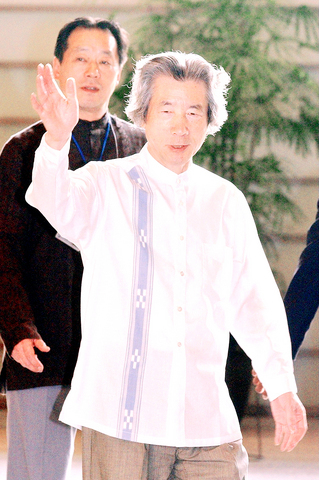
PHOTO: AFP
"It feels nice not to have to wear a tie," Koizumi said, wearing a loose, white shirt in Tokyo.
The government has said that in 2005, the first Cool Biz campaign helped reduce carbon dioxide emissions by 460,000 tons, which is equal to the emissions from 1 million Japanese households per month.
About one-third of Japanese offices said they had significantly reduced the use of air-conditioning after last year's campaign.
But not everyone is happy. Last year tie-makers made less money during the summer months. There are also people who are not taking advantage of the opportunity to dress casually.
"Personally, I don't like to wear ties. But since that's the way it has always been done, I can't do otherwise," said one 23-year-old office worker dressed in a black suit and light-blue tie on his lunch break in central Tokyo.
Some older businessmen are especially reluctant to ditch their tie.
"Ties strangle me," joked one 64-year-old, "but since I work in a major company, they're a status symbol." (AFP)
日本已經展開「Cool Biz」夏日清涼便裝運動,政治人物紛紛脫掉西裝、拿下領帶,鼓勵民眾減少使用冷氣。
日本政府已要求各公、私立機關人員在炎熱的夏天穿著輕便服裝,同時辦公室內的空調溫度不得低於攝氏二十八度。
首相小泉純一郎承諾,活動期間除了會見他國重要人物以外,他都不打領帶。
穿著寬鬆白襯衫的小泉在東京表示:「不必打領帶的感覺真好。」
日本政府表示,二005年首度推行的「Cool Biz」運動有效減少了四十六萬噸二氧化碳的排放,這相當於日本一百萬個家庭每月的排放量。
約有三分之一的日本官員表示,去年開始推行「Cool Biz」運動後,冷氣的使用已明顯減少。
不過幾家歡樂幾家愁,領帶製造商去年夏天的營業額就減少了些;也有民眾放棄這個穿著便裝的機會。
東京市中心一名穿著黑色西裝打淺藍色領帶、正在午休的二十三歲上班族說:「我個人雖不喜歡打領帶,但長久以來已習慣如此,不打領帶反而覺得奇怪。」
部份年長的商務人士尤其不願脫下領帶。
一名六十四歲的男士開玩笑說:「領帶雖勒得我難受,但對在大公司上班的我來說,它們可是地位的表徵。」
(法新社/翻譯:林倩如)
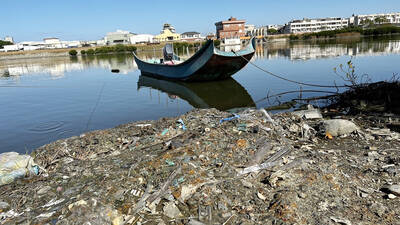
Many consumers are guilty of filling drawers or closets with old laptops, cellphones, fitness trackers and other electronic devices once they are no longer needed. It’s hard to know where to recycle such items, or it seems costly and inconvenient to do so. The world generates millions of tons of electronic waste — also called e-waste — each year. According to the UN’s most recent estimate, people worldwide produced 62 million metric tons of e-waste in 2022, and only about 22 percent of it was properly recycled. The US’ Environmental Protection Agency estimates that less than a quarter of e-waste is

You’re sitting in class when a classmate asks to borrow a pencil. It seems like a small favor, so you agree without hesitation. The following week, the same classmate asks to share your notes. Later, they request help with a group project. You agree each time — after all, you helped out the first time — but before you know it, it has become automatic. This scenario demonstrates the “foot-in-the-door technique,” a psychological concept that shows how agreeing to small, acceptable demands makes it easier to accept larger ones later on. The name for this strategy comes from door-to-door

A: The four-day Tomb Sweeping Day long weekend begins Friday and will run until Monday. Are you going to sweep your ancestors’ tombs? B: I did in advance last weekend, so I can go to Kaohsiung to see the musical “The Phantom of the Opera.” A: Wow, is “Phantom” touring Taiwan again? It debuted in 1986, so this year marks the 40th anniversary of the show. B: And it’s not just touring Kaohsiung starting March 31, but also Taipei starting April 21 and Taichung starting May 26. A: “Phantom” is one of the world’s Four Major Musicals. I’ve seen all of them, except “Les

Continued from yesterday(延續自昨日) https://www.taipeitimes.com/News/lang Gig Tripping “Gig tripping” combines concerts with travel. People fly to see their favorite artists perform — usually abroad—and spend a few days sightseeing before or after the show. While die-hard fans have done this since the 1960s, the post-pandemic travel boom changed the game. Even people who aren’t superfans are now booking international concert trips because they want to make the most of travel opportunities. This trend exploded in the US, as the math makes sense. Domestic concert tickets are so costly that flying abroad for the show plus tourism expenses often matches or even beats the price


 RSS
RSS