


There are many ways to play musical instruments. Some instruments you strike with your fingers, with sticks or with your whole hand, like pianos or drums. Other instruments have strings that you pluck, like guitars or harps. Other instruments, like the flute in this picture, you blow air through.
There are many different kinds of flutes. The flute in this picture is not like most flutes. A flute is normally a much smaller instrument that can be held in one hand. You couldn't do that with this flute -- it weighs 14kg!
Flutes are made differently all over the world. This flute was made in the Netherlands. It may not be as easy to pick up and carry around as a normal flute, but it can play more notes and it has its own special sound. (Kayleen Hartman, Staff writer)
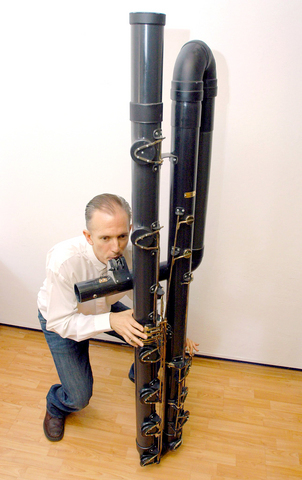
PHOTO : EPA
演奏樂器有許多方法。有些樂器是由手指、木棒,或以整隻手敲擊來演奏,例如鋼琴或鼓。有些樂器需要撥弄線絃,就像吉他或豎琴。也有樂器如照片中的笛子一樣,是用吹的。
笛子的種類五花八門。照片中的笛子和大部分的笛子不同。笛子通常是可用單手握著的較小型樂器。你可握不住這把笛子?它重達十四公斤。
世界各地生產各式各樣的笛子。這把笛子是荷蘭製的。它或許不像一般的笛子易於手持或移動,卻可吹出更多音符,擁有自己獨特的樂音。 (翻譯:賴美君)
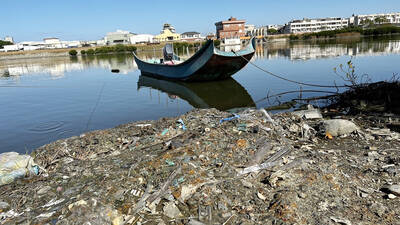
Many consumers are guilty of filling drawers or closets with old laptops, cellphones, fitness trackers and other electronic devices once they are no longer needed. It’s hard to know where to recycle such items, or it seems costly and inconvenient to do so. The world generates millions of tons of electronic waste — also called e-waste — each year. According to the UN’s most recent estimate, people worldwide produced 62 million metric tons of e-waste in 2022, and only about 22 percent of it was properly recycled. The US’ Environmental Protection Agency estimates that less than a quarter of e-waste is
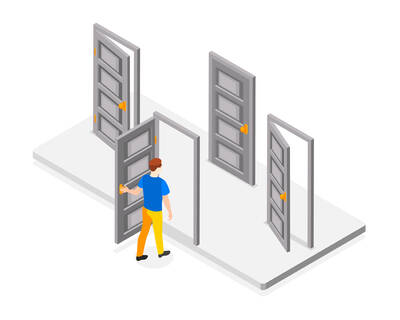
You’re sitting in class when a classmate asks to borrow a pencil. It seems like a small favor, so you agree without hesitation. The following week, the same classmate asks to share your notes. Later, they request help with a group project. You agree each time — after all, you helped out the first time — but before you know it, it has become automatic. This scenario demonstrates the “foot-in-the-door technique,” a psychological concept that shows how agreeing to small, acceptable demands makes it easier to accept larger ones later on. The name for this strategy comes from door-to-door
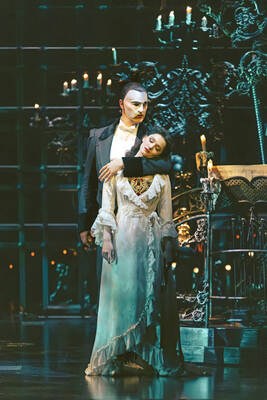
A: The four-day Tomb Sweeping Day long weekend begins Friday and will run until Monday. Are you going to sweep your ancestors’ tombs? B: I did in advance last weekend, so I can go to Kaohsiung to see the musical “The Phantom of the Opera.” A: Wow, is “Phantom” touring Taiwan again? It debuted in 1986, so this year marks the 40th anniversary of the show. B: And it’s not just touring Kaohsiung starting March 31, but also Taipei starting April 21 and Taichung starting May 26. A: “Phantom” is one of the world’s Four Major Musicals. I’ve seen all of them, except “Les
Dos & Don’ts — 想想看,這句話英語該怎麼說? 1. 我們很早到達電影院。 ˇ We arrived at the theater very early. χ We arrived the theater very early. 註︰arrive 為不及物動詞,後面如果有受詞要用 at 或 in。例如:They arrived in Taipei yesterday.。一般大地方,如國家、省、大城市等前面用 in,凡小地方城鎮、學校等則用 at。 2. 開車半小時以後,我們到達了海灘。 ˇ After half an hour’s drive, we got to the beach. χ After half an hour’s drive, we got the beach. 註︰come, go, get(來、去、到達)某地時,在表示地點的名詞前面應該用 to,如 go to school, go to Taipei, come to Shanghai 等。如果這些動詞後面所跟的是 here, there, home 等副詞,則不用 to。 3. 明天我會回辦公室。 ˇ I will be back in the office tomorrow. χ I will be back to office tomorrow. 註︰to be back 一語裡的 back 是副詞,不是介詞,所以後面要用 at (the market) 或 in (the office)。 假如假期結束,要回學校上課了則可說: ? Kids will be back


 RSS
RSS