


New Zealand's giant snails -- descendants of creatures that lived 200 million years ago -- are on the move. They are being taken away from their traditional home on a mountain on South Island by coal miners.
New Zealand's Conservation Minister, Chris Carter, calls the meat-eating giants the "sumo wrestlers of the snail world," and says they are as big as a man's fist. Carter approved their removal in April, bowing to the demands of the state-owned energy company that wants the 5 million tons of coal underneath the snails' native habitat.
Carter approved moving the snails even though conservationists ran a Save the Snails campaign and his own officials advised him not to.
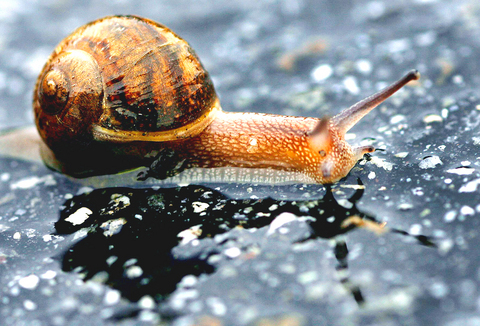
PHOTO: AP
Carter said the government had to consider the economic benefits that New Zealand's coal resources bring to the nation.
He ordered the Solid Energy company to move the 250 rare native snails known to be in the area and relocate them far from coal mines. The mountain is the only place in the world where the snails exist.
Before mining starts, the company must recreate an area for the snails that is similar to their old home. The company also must protect them with a fence.
But Frances Mountier, spokeswoman for conservationists fighting the coal mine, said that the Department of Conservation has said that the only way to make sure that the snails survive is to leave them where they are. "Why is the minister ignoring his own scientists' advice?" she asked.
The snails are some of the biggest in the world. They eat meat and can suck up worms like humans eat spaghetti. (DPA)
兩億年前物種的後裔?紐西蘭巨型蝸牛要搬家了。煤礦工將牠們帶離位於南島山上的傳統老家。
紐西蘭保育部長克里斯.卡特將肉食性的巨蝸稱為「蝸牛界的相撲手」,說牠們跟男人的拳頭一樣大。國營能源公司覬覦蝸牛原生地底下的五百萬噸煤礦,卡特在四月屈服於能源公司的要求,同意讓蝸牛搬家。
雖然保育人士發起「拯救蝸牛」的活動,保育部同僚也建議卡特不要答應,但卡特仍同意讓蝸牛搬家。
卡特表示,政府必須考量紐西蘭煤礦資源帶給國家的經濟利益。
他命令 Solid Energy 公司遷移當地已知的兩百五十隻稀有蝸牛,把牠們重新安置到距煤礦遙遠的地方。那座山是這些蝸牛目前在世上唯一的生存之地。
採礦工作開始前,Solid Energy 必須為蝸牛重新創造一個與牠們老家相似的地區。這家公司也必須設立圍籬來保護牠們。
不過代表反煤礦保育人士發言的法蘭西絲.蒙蒂耶說,保育部曾表示確保蝸牛生存的唯一方式就是讓牠們待在原地。她問說:「保育部長為何棄自己科學家的建議於不顧?」
這些蝸牛是世上最大的蝸牛種類之一。牠們屬肉食性,吸食蟲類就宛如人類吃義大利麵一樣。 (德通社/翻譯:賴美君)
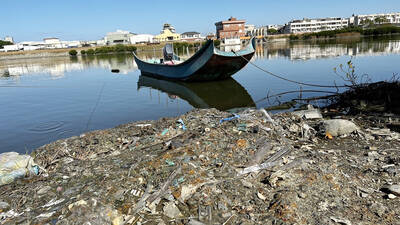
Many consumers are guilty of filling drawers or closets with old laptops, cellphones, fitness trackers and other electronic devices once they are no longer needed. It’s hard to know where to recycle such items, or it seems costly and inconvenient to do so. The world generates millions of tons of electronic waste — also called e-waste — each year. According to the UN’s most recent estimate, people worldwide produced 62 million metric tons of e-waste in 2022, and only about 22 percent of it was properly recycled. The US’ Environmental Protection Agency estimates that less than a quarter of e-waste is
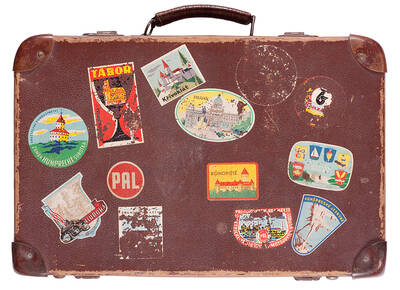
Travel fever is back, and it’s contagious. After years of being kept home during the COVID-19 pandemic, people are once again eager to explore the world. Rather than just book any trip, travelers are getting smarter about how they scratch that travel itch. Microcation Defined as four days or fewer and over 160km away from home, the microcation perfectly matches the post-pandemic mindset. After long periods of remaining indoors, people are making up for lost time by taking short, frequent getaways throughout the year. These brief trips avoid the work-life imbalance that comes with long absences. With only a few days away, one’s

Continued from yesterday(延續自昨日) https://www.taipeitimes.com/News/lang Gig Tripping “Gig tripping” combines concerts with travel. People fly to see their favorite artists perform — usually abroad—and spend a few days sightseeing before or after the show. While die-hard fans have done this since the 1960s, the post-pandemic travel boom changed the game. Even people who aren’t superfans are now booking international concert trips because they want to make the most of travel opportunities. This trend exploded in the US, as the math makes sense. Domestic concert tickets are so costly that flying abroad for the show plus tourism expenses often matches or even beats the price

You’re sitting in class when a classmate asks to borrow a pencil. It seems like a small favor, so you agree without hesitation. The following week, the same classmate asks to share your notes. Later, they request help with a group project. You agree each time — after all, you helped out the first time — but before you know it, it has become automatic. This scenario demonstrates the “foot-in-the-door technique,” a psychological concept that shows how agreeing to small, acceptable demands makes it easier to accept larger ones later on. The name for this strategy comes from door-to-door


 RSS
RSS