


Morocco is a country at the crossroads of many different cultures. It has European influences from the north, Islamic and Arab influences from the East, and African influences from the south. Although the many invasions of the past have made Morocco's history tumultuous, today it has a diverse and rich culture. 摩洛哥地處多元文化交叉點。歐洲文化自北邊傳來,東受伊斯蘭教與阿拉伯影響,南邊受到非洲文化的影響。雖然過去種種侵略寫下摩洛哥動盪不安的歷史,卻也造就了摩洛哥今日豐富多元的文化。
A closer look 說古論今
Throughout its history, Morocco has attracted a lot of attention from powerful foreign countries because of its important location. It controls the Straits of Gibraltar with Spain, which gives it control over ships entering and leaving the Mediterranean Sea. The area has been inhabited since about 8,000BC, and the original people were called Berbers. In the fifth century it was conquered by people from Germany and Greece. Two hundred years later Islam was introduced by attacking armies from the Middle East. Beginning with the Portuguese in the 15th century, it came under the control of a series of European powers, and finally gained its independence from France in 1956.
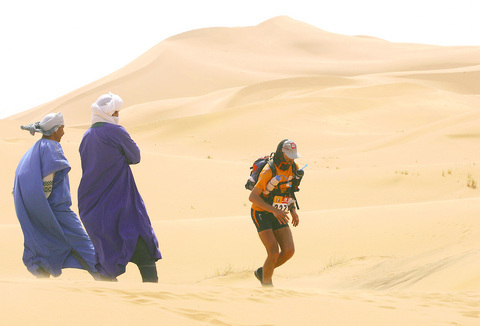
PHOTO: AFP
Today, Morocco is the fourth most populated Arab country in the world. Although the official language is classical Arabic, about 40 percent of the population still speaks Berber. Although it is an Islamic country, all kinds of other religions exist there as well, including both Judaism and Christianity. The second largest mosque in the world, the Hassan II mosque, is located in Morocco's largest city, Casablanca. The mosque's tower is the tallest in the world, and it is the only mosque in Morocco open to non-Muslims.
Moroccan cuisine is also known around the world. Like its culture, Morocco's food is a mixture of many different Mediterranean countries. Moroccan spices are especially famous throughout the Mediterranean. Lunch is the main meal of the day, and Moroccans are known to not use forks or knives or chopsticks and instead use bread as a utensil.
縱觀古今歷史,摩洛哥由於地理位置重要,一直引起列強覬覦。摩洛哥與西班牙是直布羅陀海峽的門戶,控制船隻進出地中海。早在西元前八千年左右,摩洛哥已有人定居,原住民稱為柏柏爾人。第五世紀時,摩洛哥遭德國與希臘人佔領。兩百年後,伊斯蘭教被來自中東的軍隊引入摩洛哥。西元十五世紀,葡萄牙人率先開啟一連串歐洲勢力的入侵,摩洛哥最後於一九五六年脫離法國獨立。
現今,摩洛哥是人口第四多的阿拉伯國家。雖然官方語言是阿拉伯文,但約有四成人口仍講柏柏爾語。摩洛哥雖為伊斯蘭國家,但包括猶太教與基督教等其他各種宗教也兼容並蓄。全世界第二大的清真寺「辛哈二世清真寺」就位於第一大城卡薩布蘭加。這座清真寺的塔樓是全世界最高的,也是摩洛哥唯一開放給非伊斯蘭教徒的清真寺。
摩洛哥料理也聞名遐邇。就如同當地文化一樣,摩洛哥食物是地中海多個國家的綜合體,摩洛哥香料尤其聞名於全地中海地區。午餐是摩洛哥每天最重要的一餐,眾所皆知摩洛哥人不使用刀叉或筷子,而是拿麵包來當成餐具。 (翻譯:賴美君)

Taiwan Travelogue, the novel by Taiwanese author Yang Shuang-zi and translated into English by Lin King, won the prestigious International Booker Prize in London on May 19. It marks the first time a Taiwanese literary work has received the International Booker Prize, setting a historic milestone both for Taiwanese literature and for the award itself. Prior to this achievement, Taiwan had only once appeared on the Booker radar, when Taiwanese author Wu Ming-yi was longlisted for the Booker Prize in 2018 with The Stolen Bicycle. The International Booker Prize honors works of fiction translated into English and published in the UK or Ireland.

A: While Taiwan is celebrating the 7th anniversary of legalizing same-sex marriage, a poll shows that the support rate for same-sex marriage rose sharply from 37.4 percent seven years ago to 69.9 percent last year. B: Actually, I’m a bit curious about the size of Taiwan’s LGBT population. A: I’m not sure. But if we take a Gallup poll in the US as an example, 9.3 percent of American adults identified as LGBT in 2024. B: Wow, is it because the Americans are relatively open? In many other countries, the figures hover around 5 percent. A: Based on this,
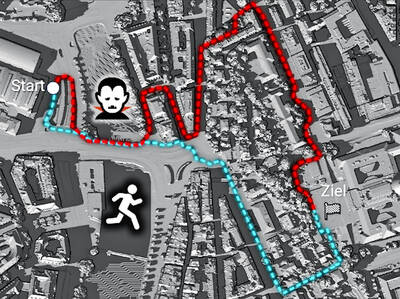
As climate change and urbanization push city temperatures higher, walking outdoors is becoming increasingly uncomfortable in many parts of the world, especially when prolonged time spent in sunlight is involved. As a result, outdoor lovers are now seeking cooler, shaded walking routes. However, most mainstream map apps still do not __1__ shaded footpaths. Enter routing.osm.ch — a Swiss web-based route planner that introduces a novel solution to this problem. Its “Vampire mode,” named after the legendary creatures’ fear of being __2__ natural light, was developed by a Swiss research team led by Professor Stefan Keller. The platform combines open data from
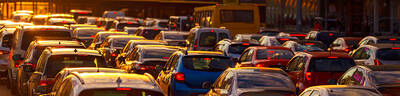
Cities around the world are testing “robotaxis,” hoping that autonomous vehicles will ease traffic and reduce emissions. However, recent analyses suggest these expectations may be overly optimistic. According to consulting firm Kearney, robotaxis could actually make congestion worse rather than better. Because self-driving rides are expected to be cheaper and more convenient than traditional taxis, more people may choose them over walking, biking, or using public transportation. This shift would put more cars on already crowded roads. Another concern is “deadheading,” which refers to robotaxis traveling without passengers between rides. Since autonomous fleets need to reposition themselves throughout the day, these


 RSS
RSS